



Peak Viewing Times
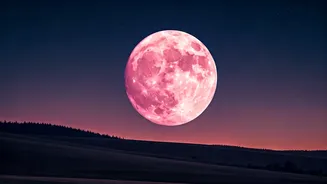
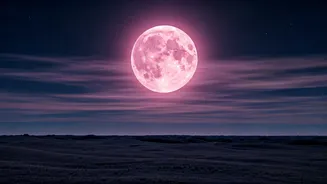
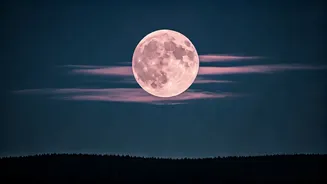
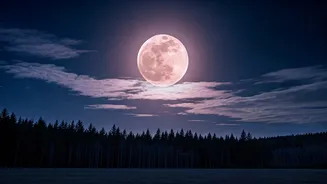
Prepare to be mesmerized as the first full moon of spring, affectionately known as the 'Pink Moon,' graces the night sky. While it officially reaches its
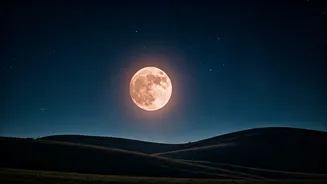
zenith of illumination in the early hours of April 2nd, the evening prior, April 1st, presents the optimal window for observation. As the moon begins its ascent above the horizon, it offers the most dramatic and photographable views. This celestial event is not just a visual treat but also a crucial astronomical marker, influencing the dates of significant cultural observances like Easter and Passover, making it a pivotal moment in the spring calendar.
The Name's Origin
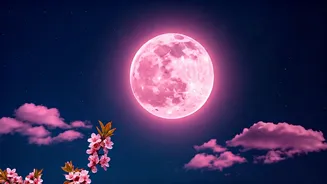
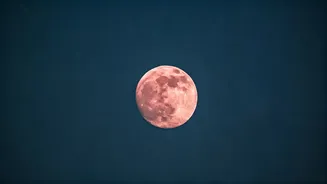
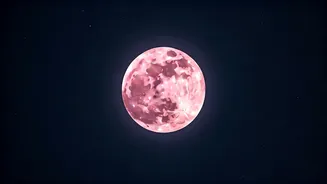
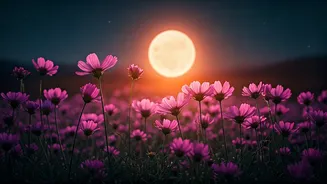
Contrary to what its name might suggest, the 'Pink Moon' does not typically appear as a vibrant pink orb. The nomenclature originates from historical traditions of early Native American tribes who ingeniously used lunar cycles to delineate the changing seasons. This particular full moon was named to commemorate the abundant blooming of pink wildflowers, specifically the wild ground phlox, which carpeted the landscape at the onset of spring. Thus, the name is a tribute to nature's renewal, rather than a literal description of the moon's hue. When viewed, expect to see it shimmering in warm tones of orange, copper, or a rich golden yellow.
Science of the Glow
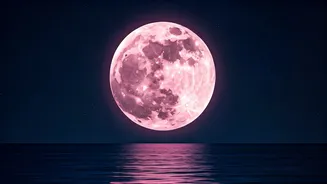
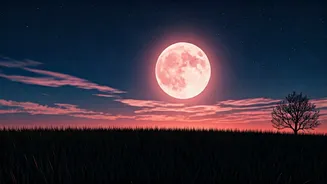
The captivating orange or golden appearance of the moon when it is low on the horizon is a result of a straightforward atmospheric phenomenon. As the moonlight travels from the moon to our eyes, it must traverse a greater expanse of Earth's atmosphere. This atmospheric journey causes shorter wavelengths of light, such as blues and violets, to scatter in various directions. The longer wavelengths, specifically reds, oranges, and yellows, are less affected and more readily penetrate the atmosphere. This selective scattering is what imbues the rising or setting moon with its characteristic warm, coppery glow, a visual effect akin to the stunning colors seen during fiery sunsets.
Celestial Companion
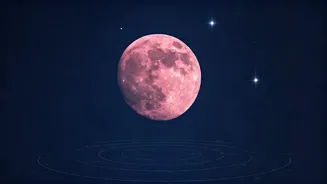
Adding to the allure of the April full moon is its proximity to a brilliant celestial partner. Astronomy enthusiasts will notice an exceptionally bright point of light positioned very close to the moon. This is not an ordinary star, but Spica, a prominent binary star system nestled within the Virgo constellation. The close alignment of Spica with the glowing full moon creates a particularly dynamic and visually striking scene in the night sky, offering a double spectacle for those who look up.
Holiday Significance
Beyond its aesthetic appeal, the Pink Moon carries considerable cultural and religious importance, serving as a key determinant for the dates of major holidays. The observance of Easter is fundamentally linked to this lunar event. Specifically, Easter is celebrated on the first Sunday following the first full moon that occurs after the spring equinox. Given that the astronomical spring equinox for the year occurred on March 20th, this April full moon acts as the definitive celestial trigger, solidifying the timing of the upcoming Easter celebration and its associated holiday period.
Weather Considerations
The visibility of any astronomical event is inherently dependent on atmospheric conditions. For observers in the UK, the weather forecast for the Pink Moon's appearance presents a mixed outlook. Regions like England and Wales may experience difficulties due to expected heavy cloud cover and intermittent rain on the evening of April 1st, potentially obscuring the moon. In contrast, Scotland and Northern Ireland are anticipated to have clearer skies due to colder air masses, offering a better chance for unobstructed viewing of the lunar spectacle. Regardless of the clarity, taking a moment to step outside and appreciate the spring sky is encouraged.