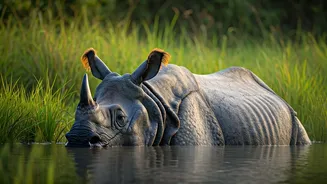






The Rhinoceros Icon
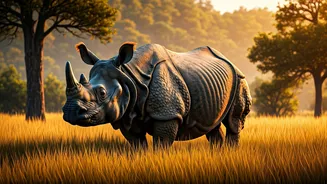
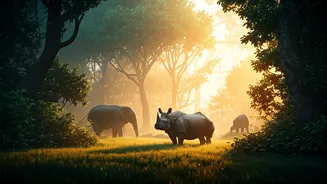
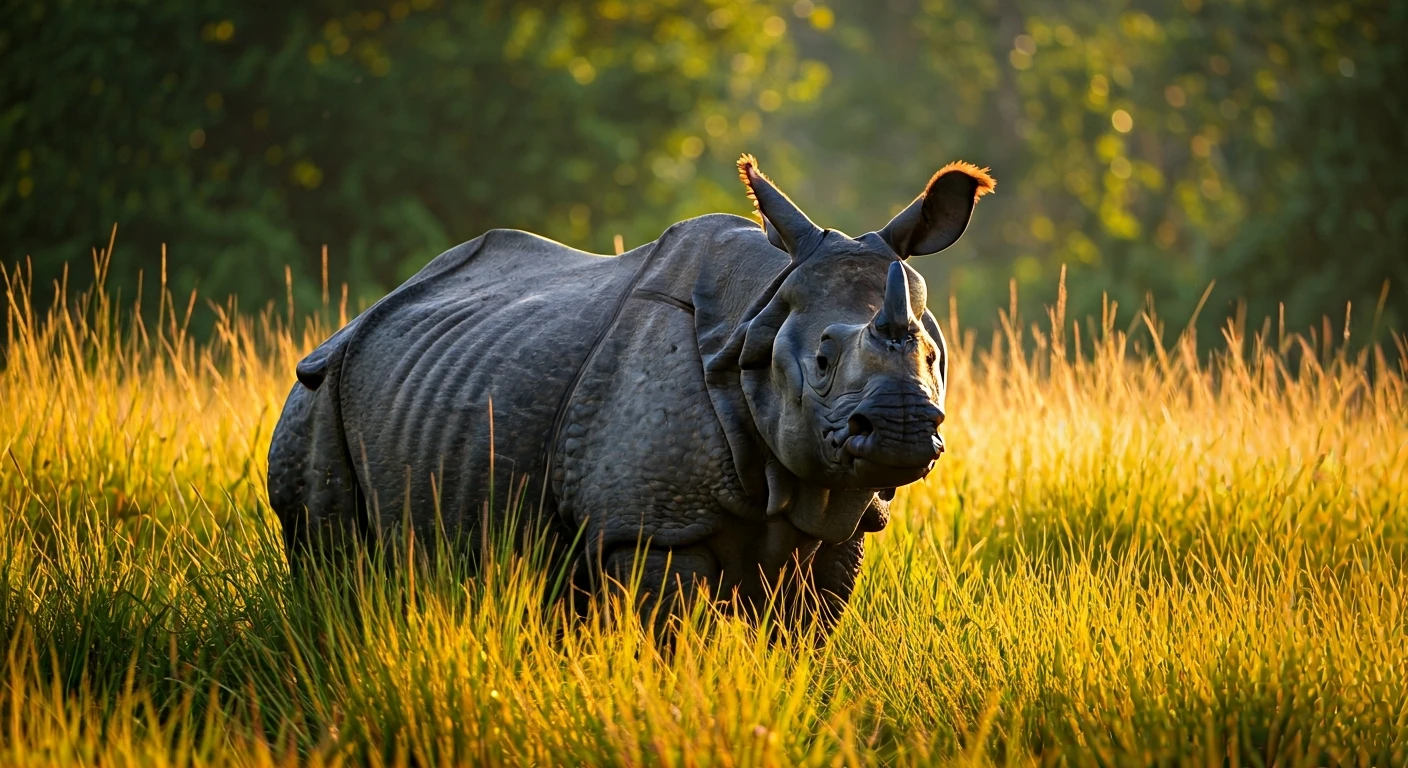
Kaziranga National Park proudly houses the world's most substantial population of the Indian one-horned rhinoceros, a species once critically endangered
but now thriving thanks to dedicated conservation efforts in Assam. These magnificent herbivores are a common sight, often observed peacefully grazing in the park's vast, verdant grasslands or near the tranquil water bodies scattered throughout the landscape. Their presence is a testament to the park's success as a sanctuary, making them the undisputed stars of any Kaziranga safari and a symbol of hope for wildlife conservation.
Majestic Asian Elephants
Another colossal presence in Kaziranga is the Asian elephant. Large herds frequently traverse the park, moving between the expansive grasslands and the interspersed forest areas. The reserve is a vital habitat for a significant number of these intelligent creatures, who play a crucial role in the ecosystem. Through their movements, they help shape the vegetation patterns and contribute to seed dispersal, ensuring the continued health and regeneration of the park's diverse flora. Spotting an elephant herd is a truly awe-inspiring experience in this natural wonderland.
Elusive Bengal Tigers
Kaziranga boasts one of the highest densities of Bengal tigers in any protected area across India, making it a prime location for tiger enthusiasts. These apex predators, known for their striking beauty and stealth, inhabit the park's dense tall grass and wooded expanses. While sightings are generally less frequent compared to rhinos or elephants due to their elusive nature and nocturnal habits, the park's designation as a tiger reserve underscores its importance in safeguarding this iconic big cat's future. The thrill of a potential tiger sighting adds an element of suspense to every safari.
Wild Water Buffalo
Among the largest members of the bovine family, the wild water buffalo is a prominent inhabitant of Kaziranga's marshy and wetland environments. The park is home to one of the most significant and genetically vital populations of this critically endangered species. These robust animals are often seen in herds, wallowing in the water or grazing near the water's edge, their formidable presence a captivating sight. Their survival in Kaziranga highlights the park's success in providing a safe haven for threatened wildlife.
Graceful Swamp Deer
The eastern swamp deer, known locally as Barasingha, thrives exceptionally well within Kaziranga's extensive wetlands and open grasslands. These elegant ungulates are easily recognizable by their impressive, multi-tined antlers, particularly the males. They are frequently observed in open clearings, gracefully grazing and moving through their preferred habitats. The park's rich water resources and abundant vegetation provide an ideal environment for this subspecies, ensuring a healthy and visible population for visitors to admire.
Stealthy Indian Leopard
Although considerably more secretive and less commonly encountered than other large mammals, the Indian leopard is another fascinating predator residing within Kaziranga. These adaptable cats tend to favor the more forested zones of the park and are typically most active during the crepuscular hours of early morning and late evening. While spotting a leopard requires patience and a bit of luck, their presence adds another layer of wild intrigue to the park's diverse fauna. Guides often report their movements, increasing the possibility of a fleeting glimpse.
Busy Hog Deer
The hog deer is one of the most frequently sighted herbivores in Kaziranga, often seen in good numbers. These deer are notably smaller than their swamp deer cousins and possess a distinctive, somewhat frantic gait that gives them their name. They show a clear preference for habitats characterized by tall grasses, often found grazing contentedly near the numerous water bodies that dot the park's landscape. Their active nature and relatively common sightings make them a delightful encounter for safari-goers.
The Unique Sloth Bear
Completing the list of remarkable species is the sloth bear, an animal that, while present in Kaziranga, is less commonly spotted. These bears typically inhabit the more densely forested sections of the park. Their diet is quite specialized, consisting primarily of insects like termites and ants, supplemented by various fruits. Their unique feeding habits and preference for secluded areas make them a rarer but highly rewarding sighting for dedicated wildlife watchers exploring the park's deeper reaches.