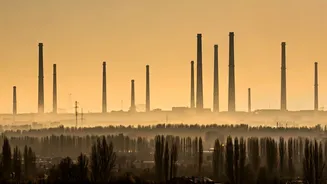

Alarming AQI Levels
The air quality in Delhi has deteriorated to an alarming extent, with the Air Quality Index (AQI) reaching 498, indicating a 'Severe' category. This signifies
that the air is severely polluted and poses significant health risks to the residents of Delhi. The 'Severe' AQI level means that even healthy individuals can experience respiratory problems, while those with existing conditions like asthma and heart disease are at an even higher risk. This necessitates urgent measures to reduce pollution levels and protect public health. This situation requires immediate attention and action to safeguard the well-being of the population.
GRAP-IV Restrictions Activated
To combat the dangerous air pollution, the authorities have implemented GRAP-IV (Graded Response Action Plan) restrictions. These measures include stringent actions designed to curb pollution from various sources. The aim is to quickly reduce the concentration of pollutants in the air. GRAP-IV represents the most severe stage of the plan, which could include measures like a ban on construction activities and the closure of specific industries. These restrictions are put in place to enforce immediate and effective control over pollution, but they also highlight the significant and pressing nature of the environmental challenge. The goal is to bring the AQI down to a safer level.
Impact and Health Concerns
The impact of the 'Severe' air quality on public health is substantial and of major concern. Prolonged exposure to such high levels of air pollution can lead to serious respiratory issues, aggravate existing health problems, and increase the likelihood of other diseases. Children, the elderly, and individuals with pre-existing health conditions are the most vulnerable. Public health officials are urging people to stay indoors and avoid outdoor activities. They are also issuing advisories for people to wear masks when venturing outside. Hospitals are preparing for a potential influx of patients with respiratory illnesses, and residents must be proactive about safeguarding their health during this critical period. Everyone should take steps to minimize their exposure to the polluted air.
Sources of Pollution
Multiple factors contribute to Delhi's air pollution crisis. These include vehicular emissions, industrial activities, construction dust, and seasonal factors like stubble burning from agricultural practices in neighboring states. The mix of all of these different sources contributes to the extremely poor air quality. The geographical location and weather patterns, such as temperature inversions, also play a role, trapping pollutants near the ground. Identifying and addressing these various sources is crucial to developing effective long-term solutions. Actions need to be taken to reduce emissions from all sources. Effective monitoring and enforcement are vital components of any comprehensive strategy.
Seeking Relief Measures
Finding relief from the severe air pollution is essential for Delhi residents. Government authorities are taking various steps to assist and shield the public during this crisis. These measures encompass distributing pollution masks and issuing health advisories. Many have urged people to stay indoors and have also provided details for health support. In addition to individual measures, city-wide initiatives may be put in place, such as encouraging public transportation, restricting traffic movement, and cleaning roads. The goal is to reduce exposure to harmful pollutants and provide essential assistance to the people, especially the most vulnerable. These are short-term solutions to help people cope during the pollution crisis.