
US Oil Revenue Stance
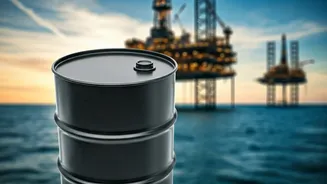
The United States' approach towards Venezuelan oil revenue is a subject of ongoing scrutiny. As Energy Secretary Chris Wright has stated, this area involves
intricate decisions that influence both economic interests and political strategies. These policies are not formulated in a vacuum; instead, they are shaped by various factors, including market dynamics, geopolitical considerations, and the internal situation within Venezuela. The US's stance on this matter can significantly affect various stakeholders, including oil companies, the Venezuelan government, and international relations. Furthermore, the interplay between these interests forms a crucial part of the story. The decisions made regarding this revenue have lasting consequences, impacting both short-term economic gains and long-term stability in the region.
Investment Promises
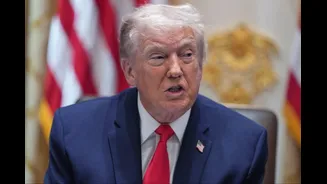
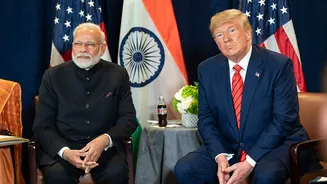
The environment for investment in Venezuelan oil is being shaped by various factors. Former President Donald Trump, for instance, has promised oil companies 'total safety', urging them to invest billions. This pledge highlights the political dimensions involved in economic decisions. Such assurances are intended to attract capital and stimulate development within the Venezuelan oil industry. However, the success of these strategies depends on multiple conditions, including the overall political climate and the economic stability of the region. The prospect of investing billions of dollars brings with it major considerations about risk and return. The companies must evaluate the potential for profit against the political and operational challenges they may face. It's a strategic calculation involving risk assessment, market analysis, and a careful balancing of potential rewards against considerable uncertainties.
Political Landscape Review
The political arena also strongly influences the situation. Comments by figures like Donald Trump, who mentioned alleged casualties under the Maduro regime, highlight the political considerations intertwined with the economics of oil. These statements and similar ones add to the broader context within which the decisions are made and affect international perceptions of the Venezuelan government. This complex scenario demands a thorough evaluation of diplomatic relations, potential sanctions, and the intricate web of global politics. The dialogue of such key players influences public opinion, which in turn influences future diplomatic ties and market trends. Furthermore, these factors affect the investment environment, since political stability is essential for investors looking to make commitments to long-term projects.