


Split Moong With Skin
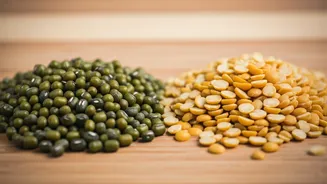
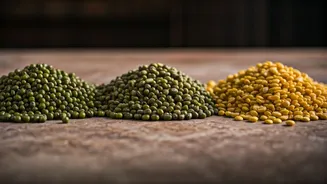
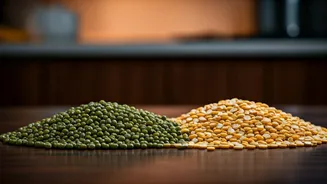
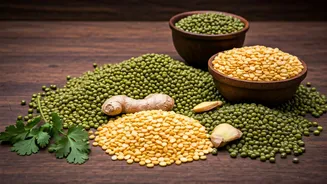
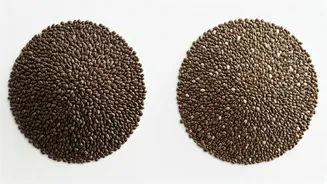
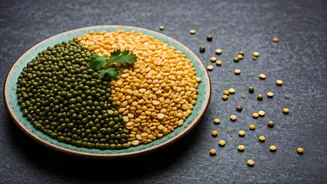
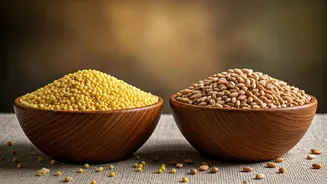
Split green gram with its skin intact, often called Chilkewali Moong Dal, is a nutritional powerhouse due to its retained fiber, minerals, and vitamins.
Chef Sanjeev Kapoor highlights that the presence of the skin aids in slower digestion, promoting prolonged satiety, which is beneficial for weight management and blood sugar control. This variety offers a gentler digestive experience compared to whole moong, making it suitable for individuals with sensitive stomachs. Its versatility allows it to be a key ingredient in comforting dishes like soups, stews, and dals, imparting both flavor and nourishment. A delightful recipe idea is the Moong Masoor Ki Dal, a comforting blend of split green gram with skin and red lentils, offering a harmonious balance of taste and health. This preparation is best enjoyed alongside steamed rice or roti for a complete and satisfying meal, showcasing the simple yet profound benefits of this lentil.
The Whole Moong Advantage
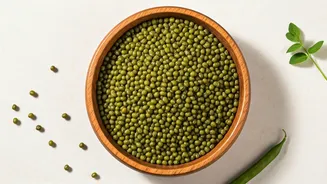
Whole green moong stands as one of the most ancient and beneficial pulses for daily consumption. Chef Sanjeev Kapoor emphasizes its rich profile of protein, fiber, vitamins, and minerals. Consuming whole moong ensures you receive its natural fiber content, which is crucial for digestive health and effective weight management. A key tip from the chef to amplify its nutritional value is through sprouting. Sprouting moong unlocks a greater concentration of nutrients, enhances digestibility, and significantly boosts enzyme and antioxidant levels, along with increasing vitamin C content, thereby strengthening the immune system. A recommended way to enjoy whole moong is by preparing Green Moong Oats Tikki, a delectable snack or meal component. These tikkis offer a crispy texture and can be served with mint chutney or yogurt dip for an enhanced flavor experience.
Versatile Yellow Moong
Yellow moong dal, also known as split moong without its skin, is a staple in Indian kitchens due to its ease of preparation and digestibility. Chef Sanjeev Kapoor points out its rich protein content, alongside vital nutrients such as folate, iron, and magnesium. Experts suggest it's an excellent choice for increasing protein intake without feeling overly heavy. Its gentle nature on the stomach makes it an ideal component for light yet nourishing meals. The adaptability of yellow moong dal means it can be transformed into a wide array of dishes, from soothing soups to flavorful khichdi, solidifying its role as a go-to ingredient. A popular and wholesome preparation is Yellow Moong Pesarattu, a protein-rich pancake that serves as a delicious option for breakfast or a light lunch, promoting good digestion and overall well-being.