





Citronella: The Classic Repellent
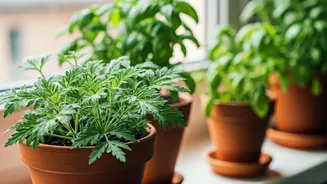
When it comes to natural mosquito deterrence, Citronella stands out as a long-revered champion. Its potent and sharp aroma is famously disliked by mosquitoes,
which is why it's a common ingredient in many repellent candles. This plant thrives in sunny spots, making it an ideal addition to balconies or garden corners. Beyond its practical mosquito-repelling capabilities, Citronella adds a vibrant, tropical aesthetic to any outdoor area, bringing both functionality and visual appeal to your home environment.
Lavender: Fragrant and Calming Defense
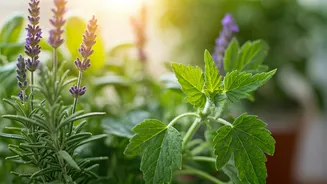
While humans often associate lavender with its soothing and calming fragrance, mosquitoes find its scent equally off-putting. The beautiful purple blooms of lavender not only offer a visual delight but also contribute to a relaxed atmosphere. This plant flourishes in sun-drenched locations and can even be successfully cultivated in pots positioned near windows. Its versatile nature makes it suitable for enhancing the ambiance of balconies, yards, and even indoor rooms, providing a pleasant scent for you and an unwelcome one for mosquitoes.
Tulsi: Aromatic and Cultural Significance
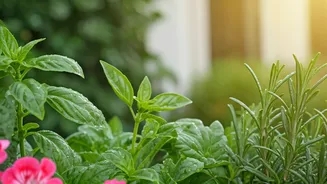
Tulsi, also known as holy basil, holds deep cultural significance in many Indian households and is often cultivated as a symbol of respect. Beyond its spiritual importance, Tulsi possesses a strong aroma that serves as an effective natural deterrent for mosquitoes, helping to minimize their presence. This hardy herb requires minimal upkeep and can thrive in pots or even in areas with partial shade, making it a convenient and practical choice for home gardeners. Its aromatic presence not only keeps insects at bay but also adds a touch of fragrance to your living space.
Mint: Refreshing and Prolific Grower
Mint is a beloved herb, often incorporated into refreshing beverages and culinary dishes. However, mosquitoes tend to steer clear of the powerful scent this plant emits. Mint has a tendency to spread, and when its leaves are crushed, they immediately release a burst of invigorating freshness. This plant prefers sunny conditions and is remarkably low-maintenance, making it an easy addition to any garden or windowsill. Its strong aroma acts as a natural repellent, while its leaves offer a pleasant scent when used in various applications.
Marigold: Colorful Pest Deterrent
Marigolds are primarily cherished for their vibrant and cheerful blooms, which add a splash of color to gardens and landscapes. However, their utility extends beyond mere decoration. These flowers naturally produce pyrethrum, a potent compound that is a key ingredient in many commercial insect repellents. By growing marigolds, you can harness this natural substance to deter not only mosquitoes but also a variety of other garden pests, contributing to a healthier and more pest-free environment.
Rosemary: Woody Fragrance for Insects
Rosemary is a robust herb characterized by its distinctive woody scent, a fragrance that many insects find particularly unpleasant. It grows exceptionally well in pots, provided it receives ample sunlight. In an effort to naturally ward off mosquitoes, some people even resort to burning sprigs of rosemary outdoors, especially during evening hours. This practice leverages the herb's strong aroma to create a mosquito-free zone around the home, offering a natural and aromatic solution.
Lemongrass: Zesty Natural Oils
As its name suggests, Lemongrass is naturally rich in citronella oils, which are well-known for their mosquito-repelling properties. The invigorating fragrance of lemongrass not only helps to keep mosquitoes away but also contributes to a cleaner and fresher atmosphere in its surroundings. This plant thrives in sunny, warm climates and can be successfully grown in either pots or directly in the ground, making it a versatile option for different gardening setups. Its natural oils offer a potent defense against biting insects.