





Cannonball Tree's Drama
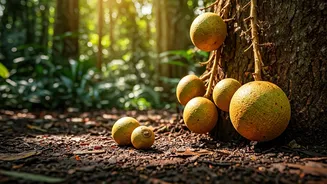
Prepare to be amazed by the Cannonball Tree, a tropical spectacle renowned for its massive, rust-colored fruits that truly resemble cannonballs. These
heavy globes, weighing several kilograms, hang directly from the tree's trunk, creating a breathtaking display. Botanically known as Couroupita guianensis, this tree is considered sacred in South India, where it's called the 'Nagalingam' tree. Travelers seeking this unique sight can find it flourishing in the lush botanical gardens of Sri Lanka and across southern India, offering a truly dramatic encounter with nature's artistry and cultural significance.
Miracle Fruit's Sweet Illusion
Experience a taste bud revolution with the Miracle Fruit, a small, red berry that defies expectations with its intensely sweet flavor. Native to West Africa, this remarkable fruit contains a protein called miraculin, which temporarily rewires your palate, making sour foods taste incredibly sweet for a short period. This fascinating phenomenon has led to popular miracle fruit tasting sessions. Botanical enthusiasts and curious travelers can discover these intriguing trees in Ghana, explore dedicated farms in Japan, and find them in parts of Florida, offering a whimsical and memorable sensory experience.
Jabuticaba's Bark Delight
The Jabuticaba tree presents a truly alien appearance, with its dark purple fruits seemingly growing directly from the bark of the trunk. This unusual presentation, often described by first-time observers as 'otherworldly,' belies the fruit's delightful taste, which is remarkably similar to a blend of grape and lychee. The visual peculiarity combined with its sweet flavor makes it a must-see for any fruit aficionado. To witness this unique botanical marvel, travelers should head to Brazil, particularly the states of Minas Gerais and São Paulo, where the Jabuticaba thrives.
Durian's Potent Aroma
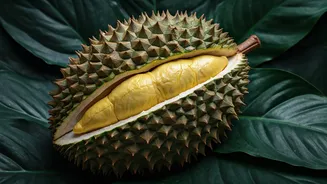
Famed as the world's smelliest fruit, Durian is a polarizing delicacy that evokes strong reactions. Its intensely pungent aroma, often compared to rotten substances by detractors, contrasts sharply with the opinions of its fans, who describe its creamy, custard-like flesh as heavenly. The towering Durian tree itself is an impressive sight. This iconic fruit is readily available in Southeast Asia; travelers can seek it out in Thailand, Malaysia, Singapore, and Indonesia, where it's a popular and often debated local specialty.
Sausage Tree's Oddity
Africa's 'hanging curiosity,' the Sausage Tree, lives up to its name with enormous, sausage-shaped fruits that dangle from rope-like stems. These impressive fruits can stretch over two feet in length, creating a striking visual. While not typically consumed fresh, the tree's unique appearance is a highlight for many travelers. Those on safari in Kenya, Tanzania, and South Africa are likely to encounter these distinctive trees, often found thriving near rivers and within wildlife reserves, adding an element of botanical intrigue to the landscape.
Buddha's Hand Citrus Enigma
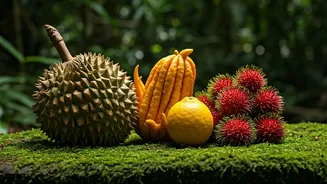
The Buddha's Hand citrus fruit is so distinct it barely resembles a typical fruit, with an appearance more akin to an octopus. Unlike common citrus varieties, it contains very little juice, making it primarily used for its aromatic zest. This peculiar fruit is a common sight in the temple gardens and bustling fruit markets of China and Japan. Its unique form and fragrance make it a fascinating find for travelers interested in unusual produce and traditional Asian horticulture.
Baobab's Iconic Silhouette
Instantly recognizable by its bulbous trunk and seemingly upside-down appearance, the Baobab tree is an iconic symbol of the African landscape. Its velvety fruit encases a nutritious pulp, rich in vitamins and widely used in local beverages and snacks. The most famous location to witness these majestic trees is Madagascar, particularly along the Avenue of the Baobabs, a world-renowned, photogenic road lined with these ancient giants, offering an unforgettable travel vista.
Ackee: Jamaica's National Treasure
Jamaica's national fruit, Ackee, is a vibrant red fruit that naturally splits open when ripe, revealing its creamy, yellow flesh and striking black seeds. It's essential for travelers to know that while ripe ackee is delicious, unripe ackee is toxic and must be avoided. To fully appreciate this culinary staple and its preparation, visitors to Jamaica often participate in local food tours. These experiences provide invaluable insight into the fruit's cultural significance and safe consumption, offering a genuine taste of the island's heritage.
Mangosteen, Queen of Fruits
Often referred to as the 'Queen of Tropical Fruits,' the Mangosteen is a highly prized delicacy that sometimes gets overlooked in favor of its more notorious tropical counterparts. This deep purple-skinned fruit encloses exquisite white flesh that offers a perfect balance of sweet and tangy flavors. The tree itself thrives in humid tropical environments and grows slowly. Botanical travelers can find this delectable fruit in Thailand and Vietnam, particularly during the monsoon season, where its exquisite taste is celebrated.
Snake Fruit's Scaly Charm
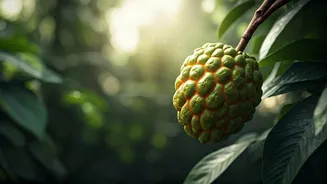
The Snake Fruit, also known as salak, is undeniably one of the world's most peculiar tropical fruits. Its name and unique appearance come from its reddish-brown, scaly skin, which closely resembles snake leather. These fruits grow in clusters at the base of palm trees. Inside, the flesh is cream-colored and possesses a crunchy texture, with flavor notes often compared to a combination of apple, pineapple, and banana. For a taste of this exotic fruit, travelers should visit Indonesia, with regions like Bali, Java, and Yogyakarta being particularly known for it.