





Gold Reserves: Shifting Power
The economic landscape is experiencing a notable shift as the BRICS nations – Brazil, Russia, India, China, and South Africa – have reportedly accumulated
control of approximately 50% of the world's gold reserves. This concentration of gold within these nations signifies a significant shift in global financial power. Historically, the United States and other Western countries have held a more dominant position in gold reserves, making this change a noteworthy development. This accumulation of gold by BRICS nations might be driven by various factors. The countries may be trying to reduce their dependency on the US Dollar. Also, it might act as a safeguard against economic instability and protect themselves from the potential impacts of sanctions or other financial pressures. Furthermore, gold is often viewed as a safe-haven asset during times of economic uncertainty, making it an attractive investment for countries seeking to protect their wealth.
USD's Potential Vulnerability
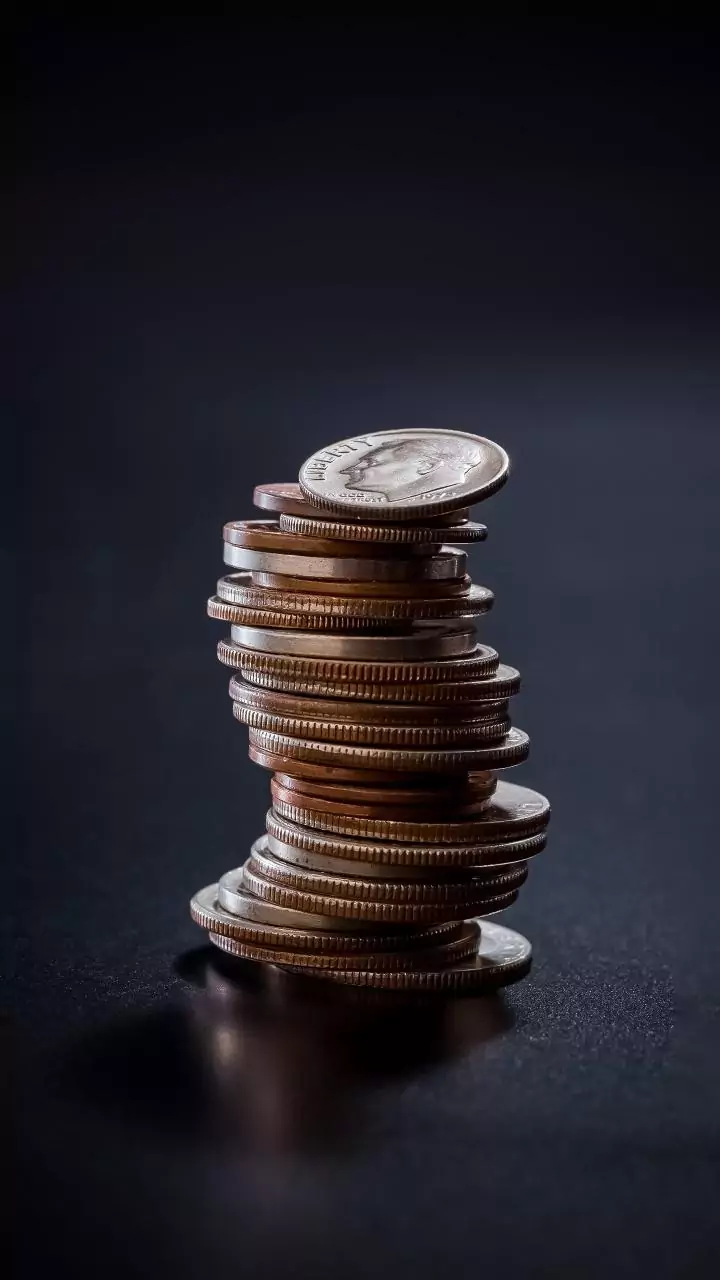
The increasing dominance of BRICS nations in gold reserves could pose a challenge to the US Dollar's status as the world's primary reserve currency. The US Dollar's position is largely sustained by its widespread use in international trade and finance, and also by the trust placed in the US economy. As BRICS nations become less reliant on the USD for international transactions, it could slowly reduce its demand. This, in turn, may lead to a decrease in the USD's global influence and value. If countries reduce their USD holdings and choose to trade in alternative currencies or use gold directly, the demand for the USD would decline. The potential consequences could include increased inflation in the United States and a weakening of the USD in relation to other currencies. However, the exact magnitude and timeline of these effects will depend on multiple variables, including the economic policies of the BRICS nations and global geopolitical developments.
Factors Behind Accumulation
Several factors are contributing to the BRICS nations' increased gold holdings. One primary motivator is the desire to diversify their foreign exchange reserves, decreasing dependence on the USD and other Western currencies. Gold offers a hedge against inflation and economic volatility. Moreover, the BRICS nations are actively promoting trade and financial cooperation among themselves. They are working on creating alternative payment systems that bypass the USD. Some countries like Russia and China have a long-standing history of accumulating gold to safeguard against external economic pressures. The increase in gold reserves also reflects a broader shift towards a multipolar world where the financial dominance of the US is being challenged. Geopolitical tensions and economic sanctions have further encouraged these nations to seek more reliable and independent financial assets.
Future Scenarios Unveiled
Predicting the future impact of this gold ownership shift on the USD is complex, and the outcomes could vary. In one scenario, the US Dollar could undergo a gradual decline in global prominence as more countries diversify their reserves and embrace alternative currencies. The USD might still remain an important currency, but its influence could diminish over time. Another scenario involves a more rapid and dramatic decline in the USD's value. This could be triggered by geopolitical events, economic crises, or large-scale shifts in international trade. The value of the USD might also be impacted by the actions of the Federal Reserve and the economic policies of the United States. Moreover, the response from the US and other Western countries will play a crucial role in determining the course of this transformation. Their economic policies and actions to maintain the USD's dominance will be important.
Implications: Global Finance
The evolving landscape of gold reserves and its potential impact on the USD have significant implications for global finance. The shift could lead to greater volatility in currency markets, impacting international trade and investment. Businesses and investors may need to adjust their strategies to account for the changing dynamics. It could also encourage the development of alternative financial instruments and systems. Central banks and financial institutions will be closely monitoring these developments, seeking to adapt to the changing environment. Increased gold ownership by BRICS may signal a move towards a more multipolar world, with financial power distributed more widely. This reshaping of the financial landscape could prompt changes in international regulations and cooperation to manage the emerging challenges and opportunities.