





Violence and Tensions Erupt
The second and final phase of the West Bengal Assembly Elections 2026 was marred by instances of violence and palpable tension in several areas, most notably
in Bhangar and surrounding regions of South 24 Parganas. The Indian Secular Front (ISF) lodged accusations of voter intimidation and attempts to manipulate the electorate by Trinamool Congress (TMC) workers. Specifically, at Hedia in Canning Purba, an ISF polling agent reportedly received death threats from TMC supporters, leading to the candidate's visit to the site and criticism of the administration's handling of the situation. Allegations of votes being 'looted' and polling agents being driven out of booths after their credentials were snatched were prominent. In a separate incident, BJP candidate Bikash Sardar from Basanti alleged an attack on his vehicle by TMC supporters, describing widespread 'gundagiri'. Another BJP worker in Nadia's Chapra constituency reported being attacked with rods and firearms by unidentified miscreants. These incidents prompted the deployment of central forces, state police, and even NIA teams to sensitive locations, underscoring the volatile nature of the electoral process in certain pockets.
Allegations of EVM Tampering
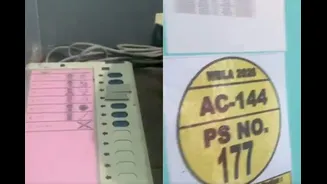
Allegations of electoral malpractice, particularly concerning Electronic Voting Machines (EVMs), surfaced during the polling. The Bharatiya Janata Party (BJP) accused TMC workers of taping over the option to vote for the BJP on EVMs in multiple booths within the Falta constituency, a tactic referred to as the 'Diamond Harbour Model'. BJP leader Amit Malviya highlighted this issue, demanding a repoll in the affected areas and drawing parallels to previous electoral outcomes. In response, the West Bengal Chief Electoral Officer stated that any polling booth found to have its EVM buttons taped would be subject to a repoll, pending verification. Furthermore, BJP candidate Ratna Debnath from Panihati flagged a potential issue with an EVM button, reporting it took time to press and promising to inform election officials. Another BJP leader, Arjun Singh, alleged the placement of a dummy EVM outside a polling station in Mayapally, suggesting voters were being guided on how to vote. These accusations added to the charged atmosphere and raised concerns about the integrity of the voting process in specific locations.
High Voter Turnout Amidst Challenges
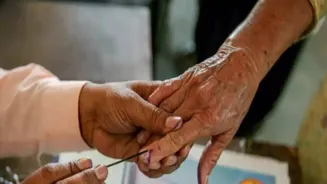
Despite the reported incidents of violence and allegations of malpractice, the second phase of the West Bengal Assembly Elections 2026 witnessed a notable voter turnout. By 1 pm, the state recorded 61.11 per cent polling across 142 assembly seats. Districts like Hooghly (64.57 per cent) and Nadia (61.41 per cent) showed particularly high participation. Even urban centers like Kolkata North (60.18 per cent) and South (57.73 per cent) registered substantial voter engagement. Prime Minister Narendra Modi and other political leaders, including Congress President Mallikarjun Kharge, consistently urged citizens, especially women and youth, to vote in record numbers and exercise their franchise fearlessly. The Election Commission of India (ECI) also highlighted strong enthusiasm among women and young voters through social media posts, showcasing early morning queues and smiling first-time voters. This significant turnout suggests that voters were determined to participate in the democratic process, even amidst the prevailing concerns.
Key Electoral Battles and Political Discourse
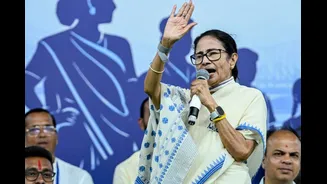
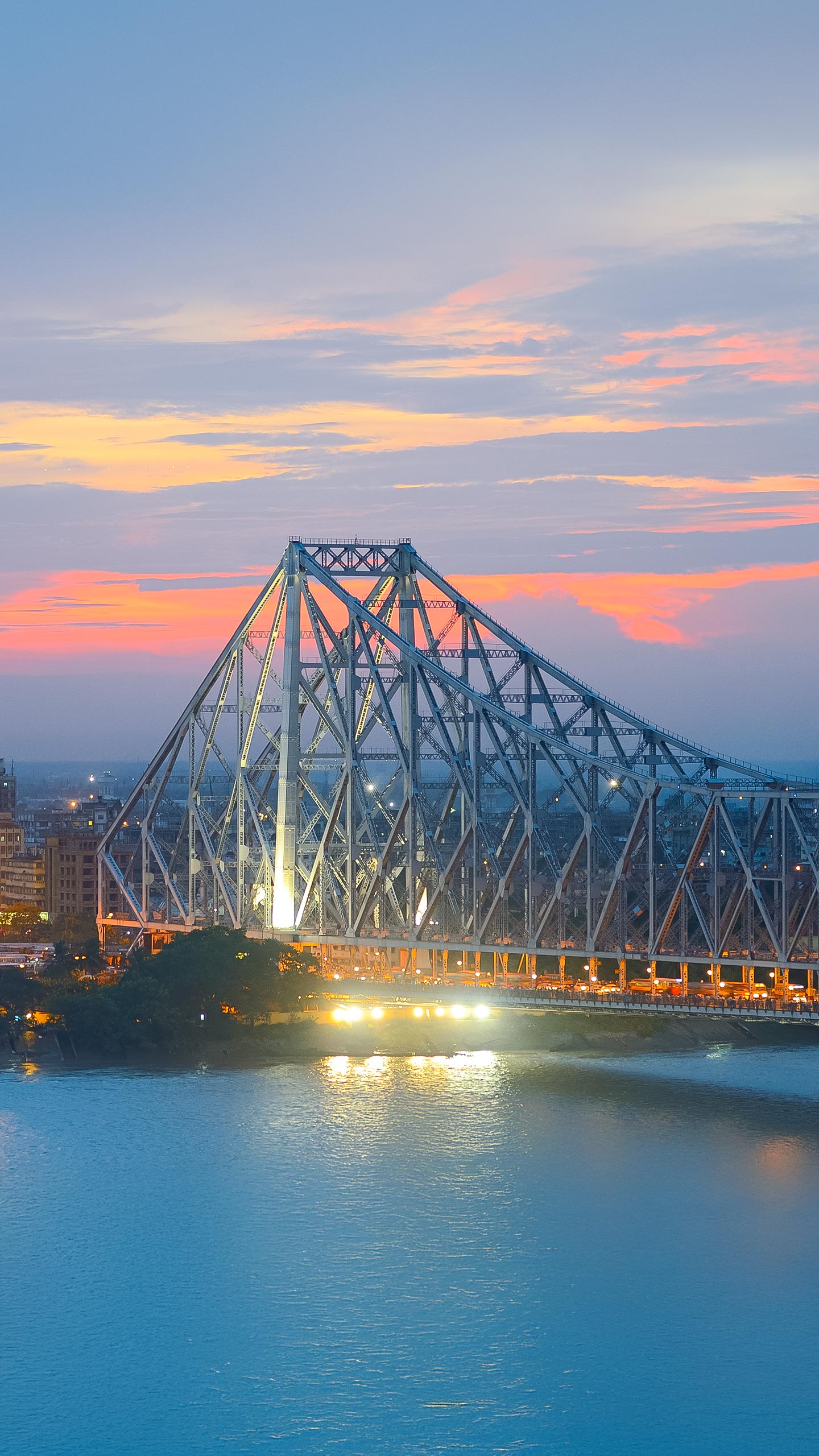
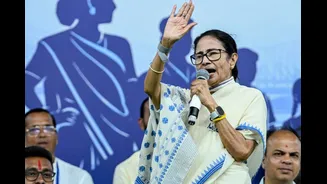
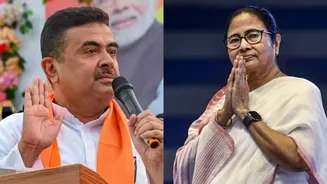
The second phase of polling was a high-stakes affair, particularly featuring prominent contests in urban centers like Bhabanipur, Tollygunge, Howrah, Hooghly, and Ballygunge. The election saw a significant clash between the ruling Trinamool Congress (TMC) and the Bharatiya Janata Party (BJP), with the latter aiming to make substantial inroads into the TMC's traditional stronghold in South Bengal. Chief Minister Mamata Banerjee visited polling booths in her Bhabanipur constituency early in the morning. Meanwhile, BJP candidate Suvendu Adhikari, who is contesting against Banerjee in Bhabanipur and is also an incumbent MLA from Nandigram, alleged being surrounded by TMC supporters and faced sloganeering during his visit to a polling booth, leading to lathi charges by police. Political discourse was further dominated by leaders making strong assertions about their prospects. BJP leaders like Nitin Nabin and Sukanta Majumdar expressed confidence in forming the government with a significant majority, while TMC MP Derek O'Brien challenged the Prime Minister to resign if the TMC won. The issue of electoral roll deletions also remained a point of contention, with BJP candidate Rudranil Ghosh alleging that names of deceased individuals were not removed to protect Mamata Banerjee.
Security Measures and Election Commission's Role
Extensive security arrangements were put in place for the second phase of the West Bengal elections, with approximately 2,400 companies of Central Armed Police Forces (CAPF) deployed across 41,001 polling stations. The Election Commission of India (ECI) emphasized its preparedness for potential law and order issues and urged all voters to participate peacefully and without fear, aiming to surpass the high turnout of the first phase. In addition to CAPF, the ECI deployed general observers, police observers, and expenditure observers. A Public Interest Litigation (PIL) was filed in the Supreme Court seeking the removal of UP-cadre IPS officer Ajay Pal Sharma from his role as a Police Observer, alleging intimidation and undue influence. The ECI also implemented a 100-meter radius rule around polling booths, leading to the closure of eateries. To ensure transparency, webcasting was enabled across all polling stations, and CCTV surveillance was intensified. The ECI also highlighted the establishment of all-women managed polling stations and those operated by persons with disabilities. A toll-free helpline was also made available for voters to lodge complaints.