





Initial Incident Overview
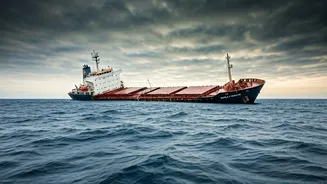
The incident involving the vessel seizure off the Venezuelan coast immediately raised concerns. Authorities reported the seizure, details of which were
initially limited, setting the stage for speculation and investigation. The lack of immediate clarity heightened uncertainty about the circumstances surrounding the event. Information began to trickle out, revealing the nature of the ship seized, which sparked debate and concern in various international circles. The vessel's profile and activities prior to the seizure became critical in understanding its purpose and the reasons behind its capture. Reports suggested the involvement of Venezuelan naval forces, a detail contributing to the event's seriousness and implications. Reactions began to surface quickly, with several countries and international bodies expressing interest in the matter. The ambiguity surrounding the seizure amplified the need for a thorough investigation to unravel the facts, thus preventing further incidents of similar kind. The initial phase focused on gathering information and assessing the scope of the incident. This involved gathering intelligence from multiple sources to piece together the events and the entities involved, emphasizing the need for a transparent and comprehensive inquiry.
Factors Behind the Event
Several factors potentially contributed to the vessel's seizure off the Venezuelan coast. One possible factor is the complex geopolitical landscape of the region, involving political tensions, economic interests, and potential disputes over territorial waters. Another contributing factor could be the vessel's alleged violation of Venezuelan maritime laws or regulations. The nature of the vessel and its intended activities were crucial in determining whether the seizure was justified under those laws. Moreover, the vessel's origin, ownership, and destination were also essential in the investigations. The authorities probably considered various intelligence reports that may have indicated suspicious or illicit activities associated with the vessel. Venezuela's government may have perceived the vessel's presence as a threat or a breach of its national sovereignty. Regional security dynamics, including the presence of other naval vessels or external actors, also played a part. The circumstances may have been influenced by broader strategic competition in the area, involving various powers that have interests in the Caribbean Sea. These elements, combined, shaped the conditions in which the seizure took place, ultimately leading to the incident. Consequently, any conclusions drawn by investigators must consider the interconnected nature of these variables.
Impact and Ramifications
The seizure of the vessel off the coast of Venezuela created significant impact and potential ramifications that extended beyond the immediate maritime incident. The event could influence relations between Venezuela and the country whose flag the vessel was flying. Diplomatic channels were opened, and further tensions emerged. Furthermore, international bodies that were interested in maritime security would most probably voice their concerns. Economic impacts might occur if the seizure impacted trade routes or disrupted activities in the area. The incident raised questions about the safety of maritime traffic in the region and the enforcement of international laws. The seizure might have affected the region's overall security landscape, possibly prompting increased naval patrols or other security measures. It might spark debate about the role of regional and international organizations in resolving maritime disputes and preventing similar incidents in the future. In addition, the long-term impact on Venezuela's image and its relationship with other nations was very probable. This event served as a reminder of the complex dynamics operating within international waters.
International Response and Reaction
The international community responded to the vessel seizure off the Venezuelan coast with significant interest and scrutiny. Various countries and international organizations issued statements and started investigations to fully understand the situation. The initial reactions included calls for transparency, adherence to international law, and the safety of the crew. Some nations may have engaged in diplomatic efforts to seek clarity about the events and the vessel's fate. The international community had the chance to assess whether the seizure was justified under international maritime law and if human rights were respected. Legal and political analysts would delve into the situation, seeking to interpret the incident's implications for international relations and precedents. Any country with vested interests in the region may have expressed concern about the event's implications for regional security and stability. Depending on the findings of ongoing inquiries, the international community could impose sanctions or other measures. This event also presented the opportunity for the international community to reassert its commitment to the rule of law at sea and to encourage peaceful resolution of maritime disputes. The international response proved to be a critical factor in determining the overall outcome of the incident.
Investigation and Outcome
The investigation into the seizure of the vessel off the Venezuelan coast will be the key factor in determining the future outcome. Authorities in Venezuela and potentially those from other nations or international bodies will conduct a thorough investigation to determine the complete context. The investigation's scope includes gathering evidence, interviewing crew members, and analyzing vessel logs and other documents. The probe aims to ascertain the reasons for the seizure, evaluate compliance with legal and regulatory frameworks, and assign accountability. The outcome of the investigation will influence the vessel's fate, and any legal proceedings. If the seizure is found to be justified, the vessel may remain in Venezuelan custody. Conversely, it might be released, or an agreement could be made for its return. The results of the probe will have implications for the legal landscape, and may give way to international diplomatic initiatives. The investigation's outcome is essential to set the stage for further measures, like diplomatic sanctions, or even international action. The findings will likely be carefully scrutinized by international observers, media outlets, and organizations. Therefore, how the investigation is conducted and how its results are interpreted can have far-reaching implications, influencing diplomatic relations, legal precedents, and maritime practices in the region.