






Summer Food Perils
The sweltering heat of summer significantly amplifies the risk of foodborne illnesses, making it imperative to exercise extreme caution regarding food consumption.
This heightened vulnerability was tragically illustrated in Bhabua, Bihar, where a 20-year-old man lost his life after consuming restaurant-packaged Manchurian and Kadhai Paneer. The incident, which began with severe vomiting after dinner, escalated rapidly, leading to his untimely demise despite medical intervention. The event not only plunged his family into mourning just before a joyous occasion but also reignited critical discussions about the hygiene standards maintained by eateries, especially concerning takeaway meals during warmer months. While the precise cause awaits post-mortem and lab analysis, it serves as a potent warning about the potential dangers lurking in seemingly ordinary meals.
Unmasking Food Poisoning
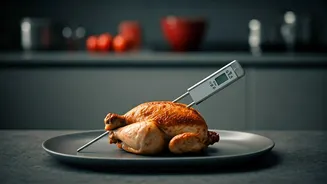
Food poisoning, a prevalent concern during summer, is primarily driven by several key factors. Bacterial contamination is a leading culprit, with pathogens such as Salmonella, E. coli, and Listeria thriving in improperly handled food, on unclean surfaces, or in contaminated water. These microorganisms can proliferate rapidly when food is left at room temperature for extended periods, a common occurrence in warmer weather, rendering it toxic. Furthermore, undercooked or raw foods, particularly meats and eggs, may harbor harmful microbes that haven't been neutralized by heat. Even raw vegetables pose a risk if not thoroughly washed and prepared. The use of unsafe water for cooking or washing ingredients, especially prevalent in street food scenarios, can also introduce dangerous pathogens, making the food unfit for consumption.
Home Cooking Safeguards
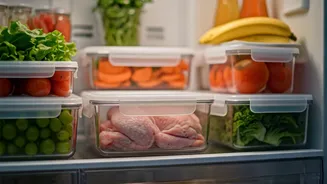
Preparing dishes like Manchurian and Kadhai Paneer at home, while often satisfying, demands enhanced vigilance during summer. Experts recommend a five-pronged approach to ensure safety. Firstly, meticulous washing and preparation of ingredients are paramount; vegetables like cabbage, often used in Manchurian, must be thoroughly cleaned to remove potential worms. For Kadhai Paneer, verifying the purity of the paneer itself is crucial, as adulterated versions can lead to severe illness. Secondly, maintaining impeccably clean cooking surfaces, utensils, and chopping boards is non-negotiable. Thirdly, when frying Manchurian balls or paneer, ensure the oil is at the correct temperature and the food is evenly cooked to avoid undercooking, which provides a breeding ground for bacteria. Fourthly, always check the expiry dates and freshness of sauces, spices, and dairy products like cream before use, as these can degrade and become stale. Finally, proper storage of leftovers in clean, odor-free containers and careful reheating are essential to prevent bacterial growth.
Ordering Food Safely
When opting for ordered food at home during the summer months, several crucial precautions are necessary to mitigate risks. Always begin by scrutinizing the packaging upon arrival; ensure the seal is intact, with no signs of tampering or leakage. A preliminary check of the food's smell and appearance can reveal if something is amiss – when in doubt, discard it. Reheating ordered food is often a good practice, especially if it has cooled down. Transfer the food from its original packaging to a microwave-safe dish before reheating, as this process helps eliminate potential bacteria. Crucially, avoid consuming ordered food after it has been sitting out for an extended period. Aim to eat within 30 to 40 minutes of its arrival, as prolonged exposure to room temperature can facilitate rapid bacterial proliferation.