




A Floating Ecosystem
Imagine a national park not bound by land, but adrift on water. This isn't fiction; it's a reality in a country outside the US and Russia, home to the world's
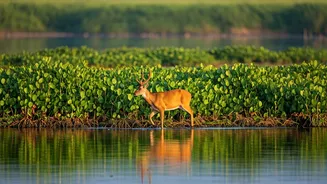
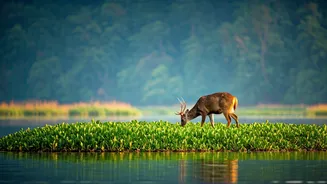
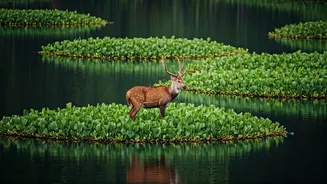
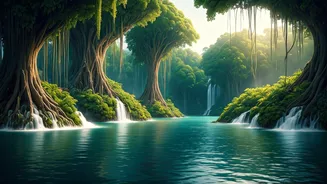
only floating national park. This incredible sanctuary is formed by a vast collection of biomass, essentially a living, breathing raft of vegetation and soil that has accumulated over centuries. These mats are so substantial they support an entire ecosystem, creating a unique landscape unlike any other on Earth. The sheer scale and continuous movement of these floating islands make it a dynamic environment, constantly reshaped by currents and wind. The flora and fauna have adapted remarkably to this ever-changing, water-based habitat, showcasing nature's incredible ingenuity in creating life even in the most unconventional settings. This park represents a groundbreaking example of how life can thrive in fluid, non-terrestrial environments, pushing the boundaries of our understanding of ecosystems.
Biodiversity Abounds
Within this singular floating national park thrives an astonishing array of biodiversity. The interwoven plant life forms a complex habitat, providing sustenance and shelter for a multitude of species. Birds find nesting grounds and abundant food sources among the dense vegetation, their calls echoing across the water. Various mammals have also adapted to this unusual environment, navigating the floating islands with agility. Reptiles bask on sun-drenched patches of vegetation, while fish inhabit the waters beneath the park, interacting with the submerged roots of the floating flora. The park's isolation and unique conditions have fostered the evolution of endemic species, found nowhere else on the planet. The continuous cycle of growth and decay, coupled with the constant motion, creates a niche for organisms that are resilient and highly specialized. Observing this vibrant community is like peering into a living laboratory of ecological adaptation and survival.
Conservation Challenges
Preserving such a unique and dynamic natural wonder presents distinct challenges. The floating nature of the park means its boundaries are not fixed, and its very existence is susceptible to environmental shifts. Human activities, even those distant, can impact the delicate balance of this ecosystem, from pollution affecting water quality to changes in weather patterns. Conservation efforts must be innovative and adaptive, focusing on monitoring the health of the biomass, protecting the resident wildlife, and understanding the intricate ecological processes at play. Strict regulations are often put in place to minimize disturbance, ensuring that visitors can appreciate its beauty without causing harm. The ongoing commitment to research and sustainable management is crucial for safeguarding this irreplaceable floating paradise for future generations, highlighting the global responsibility to protect such rare natural phenomena.