



Beyond Test Scores
In an era increasingly defined by artificial intelligence, the traditional educational focus on test scores and qualifications alone is becoming obsolete.
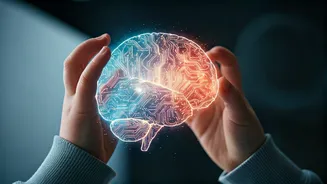
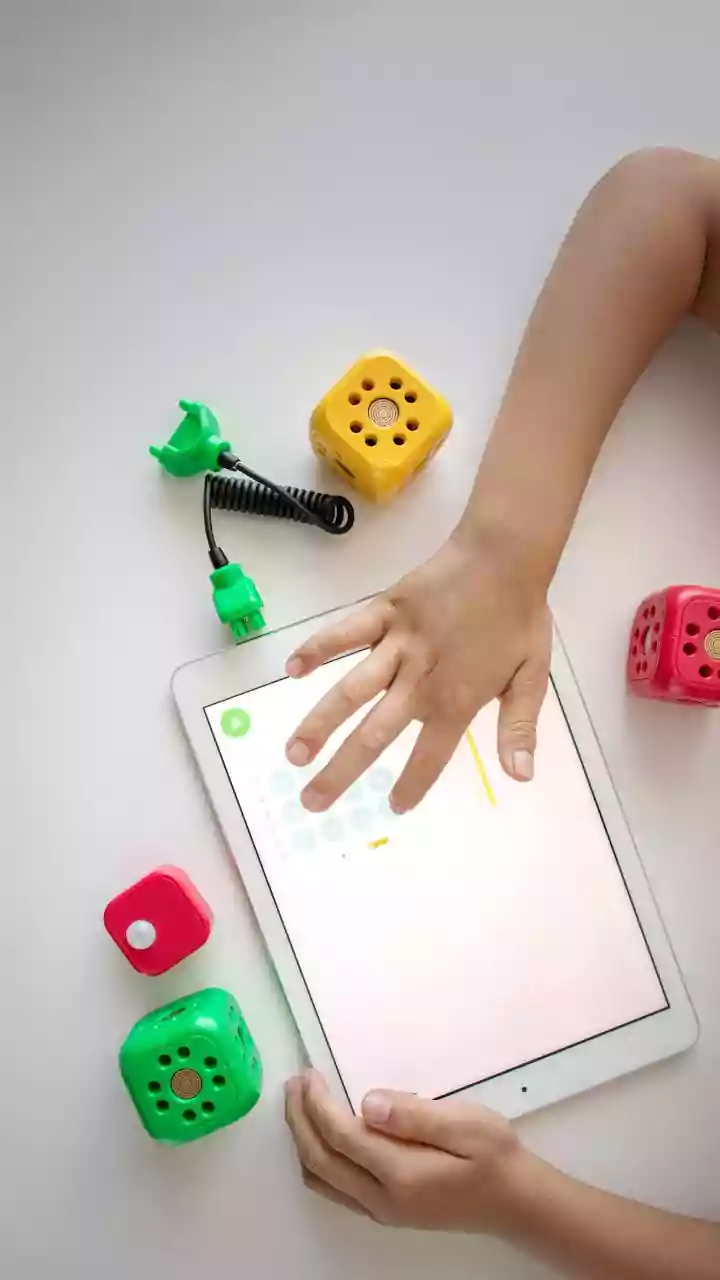
Experts emphasize that true preparedness for the future lies in cultivating human capabilities that machines struggle to emulate. This shift necessitates a move away from rote learning towards the development of practical, adaptable skills. Neuroscientist Vivienne Ming highlights the importance of transitioning to an educational model that prioritizes hands-on learning and problem-solving, rather than mere memorization. The emphasis should be on building practical competencies that allow individuals to navigate complex situations and innovate, skills that are inherently human and resilient against automation.
Embrace the Stumble
A critical component of fostering resilience and innovation in children is redefining their relationship with mistakes. Instead of instilling a fear of failure, parents and educators should encourage children to view errors as invaluable learning opportunities. Vivienne Ming suggests that open conversations at home about challenges and setbacks can significantly help children accept and learn from their mistakes. This approach cultivates a growth mindset, where experimentation and iterative learning are seen as positive steps toward understanding and mastery. By normalizing the experience of not getting things right the first time, we empower children to take intellectual risks and persevere through difficulties.
Sparking Inquisitive Minds
Creating an environment that nurtures curiosity is paramount to unlocking a child's creative potential. Children thrive when exposed to a stimulating atmosphere filled with diverse ideas and problems that challenge them to think critically and form independent judgments. This immersion encourages them to ask questions, explore different perspectives, and develop their own analytical abilities. As the nature of work continues its rapid transformation, adaptability and critical thinking become indispensable. The focus should shift from simply finding correct answers to empowering children with the confidence to pose better, more insightful questions, driving deeper understanding and innovation.
The Human Edge
As technology advances, the distinction between human capabilities and artificial intelligence will become increasingly pronounced. While academic knowledge is foundational, it is the uniquely human traits of thinking outside the box, adapting to novel circumstances, and applying creativity to challenges that will truly set individuals apart. Developing an open mind and an insatiable curiosity to probe, question, and examine issues from multiple angles provides a robust foundation for future success. In an age where information is readily accessible, the real challenge lies in our ability to comprehend, analyze, and synthesize that information, a skill set that AI cannot fully replicate.