



Initial Preparation Steps
Before diving into the cleaning process, start by removing any outer leaves that look damaged or wilted. These leaves often bear the brunt of any external
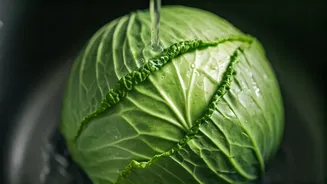
dirt or potential pests. Next, rinse the entire head of cabbage under cool, running water. This initial rinse helps dislodge any loose dirt or debris from the surface. While rinsing, gently rub the cabbage head to ensure you reach all areas. Remember that this preliminary step sets the stage for a more thorough cleaning process, preparing the cabbage for the subsequent steps that ensure a truly clean and safe ingredient for your meals. By carefully removing the outer leaves and giving the cabbage a preliminary rinse, you are well on your way to a cleaner, safer, and more enjoyable cooking experience.
The Soaking Method
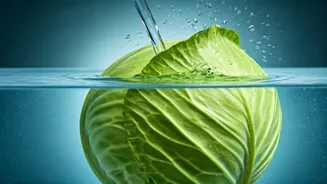
The soaking method is a highly effective way to remove any hidden worms or dirt. Begin by filling a large bowl with cold water, and consider adding a tablespoon of salt or a splash of white vinegar to the water. These additions can help to further dislodge any unwanted elements. Next, submerge the whole cabbage head or the individual leaves (if you’ve already separated them) in the salted or vinegar water. Let the cabbage soak for about 15-20 minutes. This soaking time allows any worms or dirt to loosen and detach from the cabbage leaves. After soaking, rinse the cabbage thoroughly under cold, running water again to remove any remaining salt, vinegar, or dislodged particles. This soaking process is crucial for ensuring the cabbage is clean before cooking.
Leaf-by-Leaf Inspection
This detailed approach is critical for ensuring the cabbage is completely clean. After soaking and rinsing, carefully separate each leaf from the cabbage head. Inspect each leaf individually, paying close attention to the crevices and folds where worms and dirt might be hiding. Look for any small holes, dark spots, or unusual markings, which can be signs of pests or damage. Rinse each leaf under running water, gently rubbing it to remove any remaining dirt or possible contaminants. This method, although time-consuming, ensures that every single leaf is thoroughly cleaned and safe to consume. The meticulous leaf-by-leaf inspection provides the best possible guarantee of a clean and enjoyable cooking experience.
The Cutting Technique
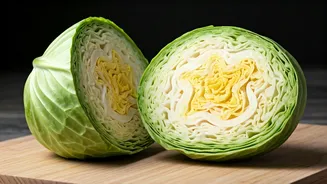
If you plan to cut the cabbage, cleaning each piece as you chop it can be very effective. After the initial rinse, cut the cabbage into quarters or halves. This makes the inner layers more accessible for cleaning. Hold each section under running water, ensuring water reaches all the cut surfaces. Use your fingers to gently rub and dislodge any dirt or potential contaminants. This method allows you to clean the inner parts of the cabbage, areas that are often missed with a simple surface wash. By washing the cabbage as you cut it, you ensure that every part is cleaned, which is a key step towards achieving the highest level of cleanliness.
Final Rinse and Dry
Once you have cleaned the cabbage using your chosen method (soaking, leaf-by-leaf, or cutting), the final step is a thorough rinse and drying. Rinse the cleaned cabbage under cold, running water to remove any remaining traces of dirt, salt, or vinegar. It’s important to make sure all cleaning agents are completely washed away. After rinsing, gently pat the cabbage dry with clean paper towels or a clean kitchen towel. Ensuring the cabbage is dry is beneficial for cooking as excess moisture can affect the final texture and taste of the dish. A final, careful drying ensures that your cabbage is thoroughly cleaned and prepared for your chosen recipe.