






Engine Check Light
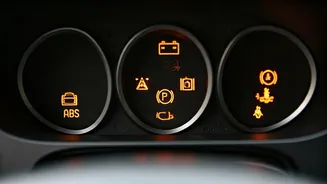
The engine check light, often shaped like an engine, is a general indicator of an issue within your car's engine system. It can illuminate for various
reasons, ranging from a loose gas cap to more serious problems like a failing catalytic converter. If this light comes on, it's best to get the car checked by a mechanic as soon as possible. Some modern cars may provide diagnostic codes that can help pinpoint the problem, but professional diagnosis is often required to ensure accurate assessment and necessary repairs. Remember, a persistent engine check light should never be ignored as it can lead to further, potentially more expensive damage.
Battery Warning Light
The battery warning light, usually resembling a small battery, indicates a problem with the car's charging system. This typically means that the battery isn't receiving enough charge from the alternator, the component responsible for generating electricity while the engine runs. Common causes include a failing alternator, a loose or corroded battery cable, or a faulty serpentine belt. If this light appears, it's crucial to address it immediately. Continuing to drive without proper charging will drain the battery, eventually causing the car to stall and leave you stranded. Regular battery checks and maintenance, alongside prompt attention to this warning, can help prevent such inconveniences.
Airbag Warning Light
The airbag warning light, often a figure of a person with a circular shape in front of them, signifies a problem within the car's airbag system. This indicates that one or more airbags might not deploy correctly in an accident, potentially increasing the risk of serious injury. The issue could stem from a malfunctioning sensor, a wiring problem, or a fault within the airbag control module. Ignoring this light is extremely risky. It's essential to have the system inspected and repaired by a qualified technician to ensure that the airbags function as designed, providing the intended level of safety during a collision. Regular inspection of the airbag system is a critical part of vehicle maintenance.
Brake Warning Light
The brake warning light, often displaying the word 'BRAKE' or an exclamation mark inside a circle, can indicate several potential issues related to the braking system. The most common is a low brake fluid level, which can compromise braking performance. Other causes include a problem with the parking brake, or an issue with the braking system itself. If this light comes on, it's dangerous to continue driving without investigating the cause. Check the brake fluid level immediately and, if it is low, add fluid and have the brake system inspected by a professional. Driving with a malfunctioning brake system significantly increases the risk of accidents, so it's a warning that must be acted upon without delay.
ABS Warning Light
The ABS (Anti-lock Braking System) warning light, which is usually the letters 'ABS' inside a circle, signals a problem with the anti-lock braking system. This system prevents the wheels from locking up during hard braking, allowing the driver to maintain steering control. If this light comes on, the ABS might not function correctly, meaning the wheels could lock up during emergency braking. While the regular brakes will still function, the absence of ABS reduces the ability to steer while braking, increasing the risk of accidents. It's important to have the ABS system checked and repaired by a qualified mechanic. This will ensure that the ABS functionality is restored, helping you retain control during difficult braking situations.
Oil Pressure Light
The oil pressure light, typically depicted as an oil can, is a critical warning that indicates low oil pressure in the engine. This can result in severe engine damage if not addressed quickly. Low oil pressure means the engine isn't getting adequate lubrication, leading to increased friction and wear. Common causes include low oil levels, a faulty oil pump, or an oil leak. When this light illuminates, stop the car as soon as safely possible and check the oil level. Adding oil might solve the problem, but it's essential to have the car inspected to determine the cause of the low oil pressure. Continued driving with this light illuminated can lead to engine failure, requiring costly repairs or even engine replacement.