
Arctic Dinosaurs Revealed
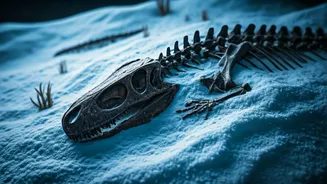
The examination of baby dinosaur fossils found in the Arctic permafrost has prompted scientists to reassess their understanding of dinosaur life. The extreme
environment, with average temperatures around 6° C – similar to Ottawa's climate – presented formidable obstacles. The long, dark winters and short summers posed significant challenges. The dinosaurs' ability to survive these conditions raises fascinating questions about their physiology and behavior. These discoveries have led researchers to explore how these ancient creatures could thrive in conditions that would be inhospitable for many modern animals, prompting a deeper dive into their survival strategies.
Migration Myths Debunked
Contrary to initial assumptions, dinosaur migration from the Arctic seems highly improbable. According to Professor Gregory Erickson, dinosaur eggs in the region would have needed roughly 5–6 months to hatch, emerging just as winter darkness set in. Given the lengthy incubation period, the small size of the hatchlings, and the brevity of the Arctic summers, migration was likely not a feasible option. Dinosaurs, it appears, found it more practical to adapt and endure the harsh conditions rather than embark on a 3,000-kilometre journey southward. This evidence underscores the exceptional adaptability of these ancient creatures and their capacity to thrive within challenging environments.
Rewriting Dinosaur History
The discovery of Arctic hatchlings is reshaping the scientific understanding of dinosaur life. The fossil evidence suggests that dinosaurs were far more resilient than previously imagined, potentially even warm-blooded. This allowed them to survive conditions that most creatures today would find impossible. This research demonstrates polar nesting, and challenges previous concepts about dinosaur biology and behavior. The latest findings compel scientists to revisit the way dinosaurs adapted to extreme cold, extended periods of darkness, and dramatic seasonal shifts. Further investigations in the frozen past will push us closer to understanding how these creatures prospered even in the harshest conditions.