

How They Work
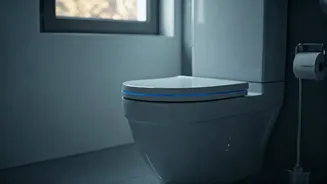
Self-cleaning toilets operate through a variety of integrated technologies designed to automate the bowl's upkeep. Some models employ a subtle release
of cleaning fluid with each flush, ensuring a consistent level of cleanliness. Others utilize powerful, targeted water jets that scour the bowl more effectively than a manual scrub might. A third approach involves using ultraviolet (UV) light cycles to sanitize the surfaces, eliminating bacteria and odors. These systems are engineered to run largely autonomously, minimizing the manual intervention typically required for regular toilet maintenance. Their primary aim is to prevent the stubborn stains and lingering smells that often plague traditional toilets, offering a more continuous, passive cleaning solution for everyday use.
Modern Conveniences
The appeal of self-cleaning toilets extends beyond just reducing manual labor. Many of these advanced fixtures incorporate bidet functions, enhancing personal hygiene and lessening reliance on toilet paper. This dual functionality appeals to households aiming to streamline daily routines and simplify life. Furthermore, in an era where indoor air quality is a growing concern, these toilets offer a significant advantage. By minimizing the frequent use of harsh chemical cleaners, they contribute to a healthier home environment. This reduction in chemical exposure aligns with a broader consumer trend towards products that support a less toxic living space. Additionally, water conservation is another key benefit. Most self-cleaning models feature dual-flush mechanisms, allowing users to select the appropriate water volume for each flush, thereby reducing overall water consumption and potentially lowering utility bills.
Installation Hurdles
Despite the allure of effortless cleaning, prospective buyers must be aware of the complexities involved, particularly regarding installation. Unlike standard toilets that can often be installed with basic DIY skills, self-cleaning models integrate both plumbing and electronic components. This makes their setup considerably more intricate, often necessitating professional expertise. Even for those who are comfortable with home improvement projects, the risk of error is higher, potentially leading to performance issues or long-term problems if not installed correctly. Therefore, budgeting for professional installation is a prudent step to ensure the system functions as intended from the outset and to avoid potential future complications.
Maintenance & Costs
While the cleaning itself is automated, self-cleaning toilets still require a different type of upkeep. This involves periodic replacement of components such as cleaning cartridges, batteries powering certain functions, or UV bulbs. Neglecting these replacements can diminish the effectiveness of the self-cleaning system. Beyond the initial purchase price, which can be substantial for premium models, ongoing costs include these replacement parts and potential servicing. Although water-saving features can lead to long-term savings on utility bills, the overall financial commitment involves both the upfront investment and the continuous expense of maintaining the advanced technology. User reviews often highlight that while the technology is useful, issues like intermittent cleaning cycles or frequent component replacements can arise, underscoring the importance of choosing a reputable brand and managing expectations regarding ongoing costs.
Is It Worth It?
The decision to invest in a self-cleaning toilet ultimately hinges on a personal assessment of convenience versus practicality. For some, the reduction in manual scrubbing and the enhanced hygiene offered by advanced features outweigh the higher initial cost and the need for specialized maintenance. These individuals may find the trade-off aligns perfectly with their desire for a more streamlined and modern home. However, others might prefer the predictable simplicity and lower upfront cost of a traditional toilet. The 'old system,' while requiring more manual effort, offers a straightforward experience without the potential complexities of integrated electronics and specialized parts. It's a matter of balancing the appeal of cutting-edge technology against the established reliability and familiarity of conventional fixtures, ensuring the chosen solution best fits individual lifestyles and household needs for maintaining cleanliness.