



Beyond Yellow: A Banana World
Most home cooks are accustomed to the standard yellow banana, a ubiquitous presence in kitchens worldwide. However, the banana family extends far beyond
this familiar hue, offering a rich tapestry of varieties with diverse culinary applications. By exploring less common types like the firm, starchy green banana and the sweetly nuanced red banana, you unlock entirely new dimensions for your cooking. These varieties aren't just different; they're gateways to creating innovative savory bases and sophisticated dessert creations, injecting both technical versatility and exciting new flavor profiles into your daily culinary repertoire. Embracing these diverse banana types truly opens up a horizon brimming with creative and delectable home cooking opportunities.
Green Banana: The Starch Powerhouse
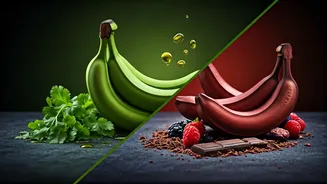
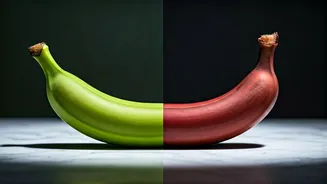
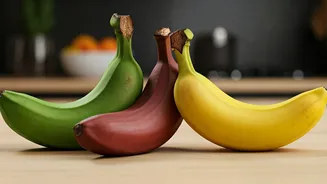
In many global cuisines, the green banana is not merely an unripe version of its yellow cousin but a foundational ingredient. Harvested at its peak starch content and minimal sugar levels, as indicated by USDA FoodData Central, green bananas boast a dense, firm texture and a subtle, neutral taste. This makes them exceptionally well-suited for savory preparations, as they maintain their structural integrity beautifully when subjected to cooking methods like boiling, steaming, or frying. Think of them as a versatile vegetable, ready to absorb spices and flavors without imparting an overpowering sweetness. Their inherent starchiness lends itself to dishes where a substantial, yielding base is desired, proving their worth as a culinary staple in their own right.
Red Banana: The Dessert Specialist
Distinguished by their shorter, more robust shape and deep maroon skin, red bananas offer a sensory experience distinctly different from other banana varieties. As they ripen, their flesh transforms into a lusciously creamy consistency, accompanied by a flavor profile hinting at berries or tropical fruits like mango, with a pleasant sweetness. This makes them a favored ingredient for adding an elevated, gourmet touch to a wide array of dishes. Chefs and home cooks alike often turn to ripe red bananas for enhancing fruit salads, enriching baked goods, or creating smooth, flavorful smoothies, leveraging their unique sweetness and soft texture for delightful dessert creations.
Culinary Creations: Green & Red
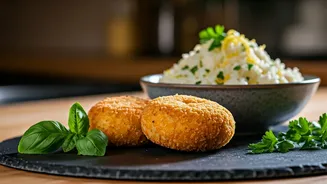
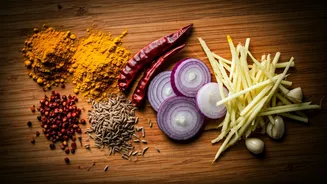
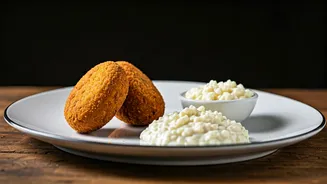
To experience the versatility of these bananas firsthand, consider preparing crispy savory green banana 'coins.' Treated much like a potato, the green banana serves as a neutral canvas for vibrant spices like cumin and turmeric, seasoned with salt and tossed in olive oil before being baked at 200°C until crisp on the outside and tender within. For a delightful contrast, a red banana and berry smoothie bowl showcases their creamy sweetness. Blended with frozen raspberries, Greek yogurt, and a touch of honey, the smooth mixture is then topped with crunchy toasted almonds. A pro tip for green bananas: keep them isolated from ethylene-producing fruits like apples or yellow bananas to maintain their firm, starchy nature until cooking. For red bananas, ensure they yield slightly to pressure and emit a pleasant aroma before use to guarantee optimal ripeness and flavor.
Kitchen Storage Insights
Proper storage is key to unlocking the full potential of both green and red bananas. To preserve the firm, starchy quality of green bananas, store them in a cool, dry environment away from direct sunlight. If they are near other ripening fruits that emit ethylene gas, such as apples or yellow bananas, minimize their exposure to this gas to effectively slow down the ripening process. Conversely, ripening red bananas is crucial for developing their characteristic creamy texture and intensified flavor. They are ready when their color deepens, they emit a noticeable fragrance, and they yield gently when pressed lightly, indicating they have reached peak deliciousness.
The Value of Variety
Incorporating a wider range of ingredients into your cooking is fundamental to creating truly delicious home-cooked meals. Diversifying your pantry, starting with bananas, offers an accessible entry point to culinary exploration. By consciously choosing to cook with the starchy green banana for hearty, substantial dishes and then switching to the sweeter, more aromatic red banana for decadent desserts, you gain significant advantages. This conscious selection provides not only technical flexibility in how you prepare your food but also introduces a broader spectrum of flavors to your daily meals, making your home cooking more dynamic and enjoyable.