




Origins and History
The origins of the Tarot are often shrouded in speculation, with various theories attempting to pinpoint its inception. Historians believe the earliest
known Tarot decks appeared in mid-15th century Europe, initially used for playing games. However, over time, the cards evolved beyond mere entertainment and acquired symbolic depth. Figures from ancient mythologies, astrology, and Kabbalah all influenced the symbolic language of the cards. By the 18th century, the Tarot transitioned toward divination, with individuals connecting the cards to specific meanings and using them to explore aspects of their lives. These cards traveled through cultures, embracing various interpretations and spiritual practices, eventually securing a central place in the realm of modern mysticism.
Structure of the Deck
A standard Tarot deck comprises 78 cards divided into two primary sections: the Major Arcana and the Minor Arcana. The Major Arcana, consisting of 22 cards, represents significant life lessons and archetypal figures like The Fool, The Magician, The Empress, and Death, among others. Each card holds profound symbolic significance, often representing universal human experiences and pivotal life stages. The Minor Arcana, on the other hand, includes four suits: Wands (representing fire and action), Cups (representing water and emotions), Swords (representing air and intellect), and Pentacles (representing earth and material matters). Each suit has ten numbered cards and four court cards (Page, Knight, Queen, and King), adding more detail to the various aspects of life. Together, the Major and Minor Arcana offer a holistic structure for understanding the world and the individual's path within it.
Symbolism Unveiled
Symbolism is at the heart of the Tarot's interpretive power. Each card, from the intricate illustrations to the numbers and suits, conveys a rich layer of meaning. The Major Arcana cards often depict symbolic figures and scenes, reflecting profound themes like destiny, spirituality, and personal growth. The Fool, for instance, marks the beginning of a journey, while The Lovers embodies relationships and decisions. The Minor Arcana contributes to an understanding of everyday life. Wands deal with creativity and ambition, while Cups capture emotions and relationships. Swords are linked to challenges and intellect, and Pentacles represent practicality and material wealth. Through these symbols, the Tarot guides the user in understanding the complexities of life and making insightful choices.
Reading the Cards
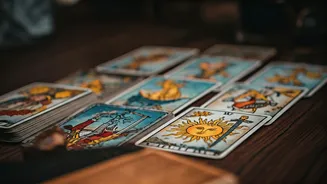
Tarot card reading involves arranging and interpreting the cards in patterns, or spreads, to respond to a question or explore a certain situation. A reader can choose from a range of spreads, from simple three-card layouts to more complex arrangements, each designed to highlight different aspects of a query. The cards are shuffled, and the reader pulls cards while focusing on the question. The meaning of each card, along with its position within the spread and its relationship with other cards, forms the basis for an interpretation. It is important to consider the cards' symbolic meanings, intuition, and the specific context of the question. Through this process, individuals can gain clarity and wisdom, gaining a deeper understanding of themselves and their life's journey.
Tarot in Modern Times
In the contemporary world, the Tarot has evolved into a versatile tool used by many. While it maintains its role in divination, its applications have expanded beyond fortune-telling. Many employ the Tarot for self-reflection, personal development, and creative inspiration. Psychologists and therapists occasionally incorporate the Tarot into their practices to facilitate deeper introspection and foster communication. Moreover, the cards have gained prominence in art, literature, and popular culture, symbolizing wisdom, mystery, and personal transformation. The enduring relevance of the Tarot lies in its ability to offer insights and encouragement across various aspects of the human experience, making it a timeless tool for understanding oneself and the world.