





Misjudging Real-World Range
A frequent misstep for new electric car buyers is placing sole reliance on the manufacturer's claimed driving range. In reality, this figure is often an optimistic
estimate. Factors such as your driving habits – aggressive acceleration or braking – significantly impact how far you can actually travel. External conditions like ambient temperature, using the air conditioning or heating systems, and the specific terrain you're driving on also play crucial roles. To get a more accurate picture, it's highly recommended to consult independent user reviews and actively seek out real-world test drives. These practical experiences will provide a far more realistic understanding of the vehicle's performance under everyday Indian driving conditions, preventing potential disappointment and ensuring you choose a car that meets your actual travel needs.
Overlooking Charging Logistics
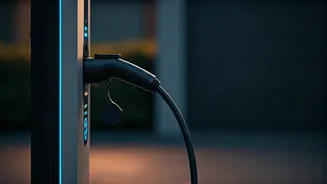
One of the most significant oversights for first-time electric car owners is failing to thoroughly assess the charging infrastructure available to them. It’s not enough to simply know that EVs can be charged; you must meticulously investigate where and how this charging will occur. This includes checking the proximity and reliability of public charging stations along your typical commute routes and frequented destinations. Equally important is evaluating the feasibility of setting up a home charging solution, considering your residential setup. A lack of accessible and convenient charging points, whether at home or in public, can lead to considerable daily inconvenience and a frustrating ownership experience. Proactive research into your local charging network is paramount.
Underestimating Charging Times
A stark contrast to the rapid refuelling of petrol or diesel cars, charging an electric vehicle takes a considerably longer period. While the advent of fast chargers has somewhat mitigated this, they are not universally available, and even they require a significant chunk of time. Prospective EV buyers must develop a clear understanding of the charging durations associated with various charging methods, from standard home outlets to public fast-charging stations. This awareness is critical for managing daily schedules and avoiding frustration. Planning your charging routine based on realistic time estimates will ensure that your electric car seamlessly integrates into your lifestyle without causing undue delays or stress during your regular usage.
Ignoring Battery Health & Warranty
The battery pack represents the single most expensive component in an electric vehicle, and therefore, understanding its longevity and the associated warranty terms is of utmost importance. Many new buyers fail to adequately investigate the battery's expected lifespan and its potential degradation over time. It is imperative to meticulously examine the specifics of the battery warranty coverage, including its duration and mileage limitations, as well as any clauses related to battery health. Furthermore, research the anticipated replacement cost of the battery pack should it require servicing outside of warranty. This foresight is crucial for accurately assessing the long-term financial implications of owning an electric car and avoiding unexpected expenses.
Skipping Total Cost of Ownership
While electric cars might present a higher initial purchase price compared to their internal combustion engine counterparts, they generally offer substantial savings over their operational lifespan. However, making an informed decision requires a comprehensive calculation of the total cost of ownership, extending beyond the sticker price. Buyers must factor in all associated expenses, including the cost of electricity for charging, regular maintenance, insurance premiums, potential battery replacement costs in the future, and any government incentives or subsidies. A thorough assessment of these cumulative costs provides a true picture of the economic benefits and ensures that the chosen EV aligns with your long-term financial planning and expectations for ownership expenses.