





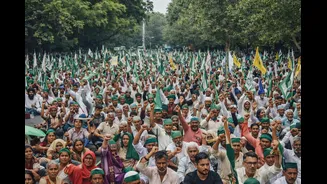
Extensive Strike Participation
A significant nationwide strike, dubbed 'Bharat Bandh,' was observed on February 12, spearheaded by a coalition of over 10 prominent trade and farmers'
unions. The central aim of this widespread protest was to voice opposition to the Indian government's current policies, which the unions characterized as detrimental to workers, farmers, and favouring corporate interests. Organizers estimated an impressive turnout, with approximately 30 crore workers participating across the country, a figure surpassing previous national mobilizations like the one on July 9, 2025, which saw around 25 crore participants. The strike's reach was extensive, impacting operations in over 600 districts, an increase from the approximately 550 districts affected by the prior agitation. The joint platform of trade unions garnered substantial support, not only from agricultural labor unions and farmer groups but also from student bodies, youth organizations, and various other federations, underscoring the broad base of dissent against the government's agenda.
Services Facing Disruption
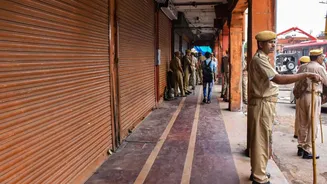
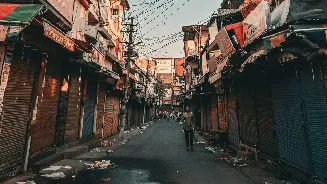
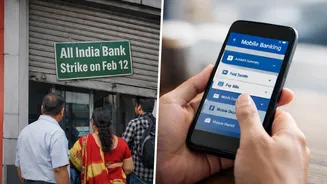
The 'Bharat Bandh' on February 12 led to considerable disruptions across several key sectors, as anticipated by the participating unions. Public sector banks and insurance offices were among the most affected, with their operations coming to a halt due to the strike. State transport services, including bus operations in various states, experienced significant disruptions, leading to commuting challenges for many. Government offices and public sector undertakings (PSUs) also saw their functioning impacted. Furthermore, industrial units and manufacturing hubs reported considerable slowdowns or complete shutdowns, particularly in core sectors like coal and steel, contingent on local participation levels. In rural areas, employment schemes like MGNREGA faced interruptions in protest-affected regions, as agricultural worker unions focused on demanding the restoration and strengthening of these programs.
Services Likely Open
Despite the widespread nature of the 'Bharat Bandh,' certain essential services were expected to maintain operational continuity to minimize public inconvenience. Hospitals and emergency medical services remained fully functional, ensuring that critical healthcare needs were met without interruption. Ambulance services and other essential health support systems continued to operate. While decisions varied by local administration, metro services in many urban centers were anticipated to run. Private offices and IT companies generally remained open, though their operations could have been influenced by regional participation and employee ability to commute. The functioning of schools and colleges was subject to state-wise decisions, with some remaining open while others declared closures. Crucially, essential supply services, such as the distribution of milk and the operation of pharmacies, were largely unaffected, ensuring the availability of daily necessities.
Regional Impact and Outlook
The impact of the 'Bharat Bandh' on February 12 was projected to be substantial, even in regions governed by the ruling party. Union leaders specifically highlighted that states like Odisha and Assam were expected to experience a complete shutdown, while other states would witness widespread participation. This assertion indicated a strategic focus on maximizing the strike's visibility and pressure. Strike notices had been disseminated across a broad spectrum of employment, encompassing government departments, public sector undertakings, industrial clusters, and even private establishments, signaling a concerted effort to engage diverse workforces. Extensive campaigns at both district and block levels, spanning both rural and urban areas, were conducted prior to the strike, aiming to mobilize a broad base of support and ensure maximum compliance with the bandh call. The Samyukt Kisan Morcha (SKM) had pledged its full backing, emphasizing the agricultural workers' unions' focus on reinstating and enhancing MGNREGA provisions.