







The Sleep-Cancer Connection
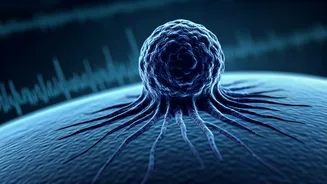
Biohacker Bryan Johnson recently emphasized a critical health insight: a single night of inadequate sleep can elevate cancer risk by an astonishing 72%.
He explained that when sleep is compromised, for instance, sleeping only four hours, the immune system's ability to detect and neutralize cancer cells is significantly diminished. This occurs while the body is already under strain to perform its basic functions. Johnson further noted that this isn't an isolated issue; consistently poor sleep habits, often dismissed with the notion of 'catching up on weekends,' can have profound and lasting negative consequences. Beyond cancer, a lack of quality sleep can increase susceptibility to general illness by up to 400%, with recovery from even one night of poor sleep potentially taking years. This underscores the fundamental role of restorative sleep in maintaining robust bodily defenses and overall well-being.
Sleep Cycles and Renewal
Dr. Sibasish Dey, Head of Medical Affairs for South Asia at ResMed, elaborated on the physiological processes occurring during sleep. He highlighted that sleep involves distinct cycles, cycling between REM (Rapid Eye Movement) and non-REM stages. REM sleep is crucial for memory consolidation, while non-REM sleep, particularly the deep 'slow wave sleep' phase, is vital for biochemical renewal and bodily restoration. This intricate process directly influences how our body functions on a daily basis. Dr. Dey also pointed out that sleep plays a role in regulating hormones, metabolism, and inflammation, all of which are known risk factors that can affect the aggressiveness of cancer. Therefore, the quality and quantity of sleep are not merely about feeling rested but are intrinsically linked to complex biological repair mechanisms that protect against disease.
Immune System and Melatonin
Dr. Pooja Babbar, a Consultant in Medical Oncology at CK Birla Hospital, Gurugram, detailed the indirect yet significant impact of sleep deprivation on cancer risk. She explained that a primary consequence of insufficient sleep is the suppression of the immune system, which carries long-term ramifications for the body. This leads to altered production of cytokines and inflammatory markers, creating an environment where cancer risk is heightened. Furthermore, sleep deprivation results in lower levels of melatonin, a hormone that plays a crucial role in suppressing cancer cells. Melatonin helps inhibit the initial stages of tumor formation and curbs the proliferation of human cancer cells. When sleep duration is compromised, the body's production of this vital substance diminishes, weakening its natural defenses against cancerous growth.
Stress, Appetite, and Rhythm
Dr. Babbar also drew a connection between sleep deprivation and chronic stress, noting that this elevated stress can exacerbate cancer progression, as depression is a recognized risk factor. Additionally, poor sleep disrupts appetite-regulating hormones, leading to increased hunger and a higher likelihood of obesity. Given that obesity is directly linked to an increased risk of cancer, this hormonal imbalance becomes a significant concern. The body operates on a natural sleep-wake rhythm, and when this circadian rhythm is disturbed, it can promote cell division (mitosis) and tumor proliferation. This disruption of the body's internal clock adds another layer of risk associated with inadequate sleep.
Cancer Patient Sleep Issues
Dr. Dey addressed the specific sleep challenges faced by cancer patients. These can stem from various factors, including pain or discomfort related to treatment, gastrointestinal or urinary issues caused by the cancer or its therapies, and the psychological toll of anxiety, stress, or depression. Furthermore, side effects from medications, particularly painkillers, can induce sleepiness or interfere with achieving restful sleep. The nature and severity of sleep disturbances can vary greatly among patients, depending on the type of cancer, the treatment regimen, their overall health status, and any pre-existing co-morbid conditions.
Treatment Efficacy and Recurrence
Finally, Dr. Walia highlighted the critical impact of sleep deprivation on the treatment and recovery journey of cancer patients. A loss of circadian control can compromise the effectiveness of anticancer treatments and may unfortunately increase the risk of early mortality. A disrupted sleep-wake cycle can also heighten the chances of cancer recurrence in patients who have undergone treatment. This underscores the importance of addressing sleep issues not just for patient comfort but as a vital component in optimizing treatment outcomes and long-term survival.