





Australia's Woolly Dominance
Australia, a continent known for its vast open spaces and iconic wildlife, also boasts an astonishing ratio of sheep to humans. The country's agricultural
sector has historically been heavily reliant on sheep farming, particularly for wool production. This has led to an environment where sheep populations have flourished, far exceeding the number of people residing there. The sheep industry contributes significantly to Australia's economy, with extensive pastoral leases allowing for large herds to graze across the land. These numbers underscore the deep connection between the Australian landscape and its livestock, creating a unique pastoral tapestry.
New Zealand's Pastoral Paradise
Often called the 'Land of the Long White Cloud,' New Zealand is as renowned for its breathtaking natural beauty as it is for its sheep. The country's rolling hills and temperate climate provide an ideal habitat for sheep farming, which has been a cornerstone of its economy for generations. The iconic image of sheep dotting the green hillsides is a testament to their prevalence. New Zealand's commitment to agricultural innovation and sustainable farming practices has helped maintain these large sheep populations, which contribute substantially to its export market through wool and meat. The balance between nature and agriculture is a defining characteristic of this island nation.
Uruguay's Sheep-Filled Plains
Nestled between two giants, Brazil and Argentina, Uruguay might be smaller in size but it punches above its weight in sheep numbers. This South American nation has a long-standing tradition of sheep ranching, with vast estancias dedicated to raising these animals. The fertile grasslands of Uruguay are perfectly suited for grazing, enabling sheep to thrive in impressive numbers. The country's economy benefits considerably from its wool and lamb exports, making sheep farming a vital component of its agricultural identity. The sheer scale of sheep farming here paints a picture of a nation deeply intertwined with its pastoral heritage.
Scotland's Highland Herds
The rugged, windswept landscapes of the Scottish Highlands are home to a surprisingly large number of sheep, often seen braving the elements on steep hillsides. Sheep farming has been a traditional part of Scottish rural life for centuries, particularly in the Highlands and Islands. The challenging terrain, while perhaps not ideal for extensive crop cultivation, is perfect for grazing sheep, especially hardy breeds adapted to the climate. Wool from Scottish sheep is prized for its quality, contributing to the local economy and maintaining a strong cultural link to the land. The enduring presence of sheep is a defining feature of the Scottish countryside.
Ireland's Emerald Isle Ovines
Famous for its lush, green landscapes, Ireland's 'Emerald Isle' moniker is fitting not just for its scenery but also for the abundance of its sheep. Sheep farming has been a fundamental element of Irish agriculture for centuries, with the mild, damp climate providing excellent grazing conditions year-round. These conditions allow sheep to flourish, making them a more numerous presence than the human population across much of the island. The industry plays a crucial role in rural economies, supporting communities and contributing to Ireland's reputation for high-quality lamb and wool products. The visual of sheep grazing peacefully across the verdant countryside is an iconic image of Ireland.
Argentina's Patagonian Sheep
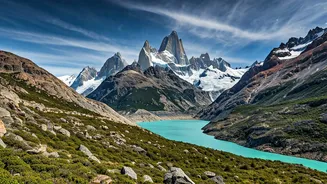
While Argentina is widely celebrated for its beef and tango, its southern Patagonian region is a significant hub for sheep farming, where sheep vastly outnumber people. The vast, windswept plains and cooler climate of Patagonia are ideal for extensive sheep grazing. Historically, wool production was a major economic driver in this region, attracting large sheep ranches and leading to substantial ovine populations. Though the industry has evolved, sheep farming continues to be a vital part of the Patagonian economy and landscape, with a notable presence that speaks to the region's suitability for this type of agriculture. The sheer expanse of sheep farms in Patagonia underscores the scale of this agricultural endeavor.