






Metro's Infrastructure Expansion
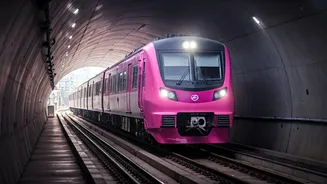
The Pink Line, presumed to be part of the Bengaluru Metro, represents a notable growth in the city's infrastructural investments in its public transportation
network. Such expansions are created to provide efficient, comfortable, and reliable transport options for a wide segment of the population. The introduction of new metro lines usually leads to reduced congestion on roads. This can lead to a decrease in travel times and a reduction in pollution levels in urban areas. This enhancement generally offers commuters a more predictable and time-efficient alternative to road transport. Metro systems are designed to seamlessly integrate with other modes of transport such as buses and trains. This integration helps to create a comprehensive and easy-to-navigate transit network, boosting accessibility across the city and providing increased access to workplaces, educational institutions, and leisure activities, thereby improving the overall quality of life.
Connecting Key Bengaluru Areas
A typical metro line, such as the Pink Line, is strategically designed to connect crucial areas in the city. The primary objective is to link commercial, residential, and institutional hubs, thereby making daily commutes easier and more effective for a large population. The Pink Line, like other metro systems, potentially touches significant intersections and key landmarks, promoting better connectivity. This connectivity usually helps reduce dependency on private vehicles, subsequently reducing traffic congestion. By providing an efficient transit network, metro lines contribute to a rise in property values, making these areas more desirable for residents and businesses alike. The Pink Line's design probably considered a seamless integration with existing metro lines and bus networks to facilitate easy transfers, ensuring a unified and convenient transport experience for all users.
Benefits for Commuters
Commuters will likely see many benefits from the implementation of the Pink Line. Metro systems are famous for their punctuality and high reliability. They offer a time-efficient alternative to other modes of transportation, allowing commuters to plan their journeys with more certainty. The introduction of a new metro line often improves the quality of life for its users. The use of a metro often translates to reduced stress associated with navigating traffic and finding parking. Enhanced public transport also has a positive impact on the environment. By promoting the adoption of public transit, the Pink Line may contribute to a reduction in carbon emissions, thereby supporting sustainability. Metro systems are usually designed to be accessible to a wide range of users, including individuals with disabilities, ensuring inclusive transport for all segments of the population.