







The Gut's Silent Influence
Many individuals seeking relief for digestive discomfort, such as irritable bowel syndrome (IBS) or bloating, also report experiencing significant cognitive
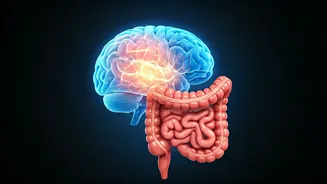
challenges like fatigue and a pervasive sense of mental fogginess. Gastroenterologists are increasingly observing this phenomenon, noting patients describing a feeling of being mentally weighed down, mirroring their physical sensations. This suggests a profound connection between the state of our digestive system and our brain's ability to function optimally. Scientists are actively investigating this complex relationship, which extends beyond mental clarity to influence our immune system, mood regulation, metabolism, and overall disease prevention, highlighting the gut's pivotal role in holistic well-being.
Navigating the Gut-Brain Pathway
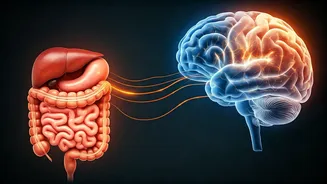
The intricate communication network between the brain and the gut, known as the gut-brain axis, is largely facilitated by the vagus nerve. This extensive nerve pathway acts as a primary conduit, allowing the brain to send signals to the abdomen and vice versa. Crucially, gut bacteria play a vital role in this dialogue by producing neurotransmitters, chemical messengers that significantly impact our nervous system. Serotonin, dopamine, and GABA are just a few examples of these vital compounds synthesized by our gut microbes. When these neurotransmitters enter the bloodstream or stimulate the vagus nerve, they can profoundly affect our mood, enhance motivation, and promote a sense of calm, underscoring the symbiotic relationship essential for maintaining bodily balance.
Digestive Issues and Foggy Thoughts
Brain fog, characterized by a lack of mental clarity and sluggish thinking, can often stem from compromised communication between the gut and the brain. Researchers point to several factors contributing to this disconnect, including inadequate nutrition, hormonal shifts, heightened anxiety, and infections, all of which can disrupt digestive harmony and simultaneously impact cognitive function. Furthermore, dysfunction within the autonomic nervous system, which governs involuntary bodily processes like heart rate and blood pressure, can manifest as both digestive problems and mental cloudiness. In certain conditions, like IBS, the nerves within the gut can become hypersensitive, sending exaggerated distress signals to the brain, which in turn intensifies the perception of brain fog. Studies have shown a significant overlap, with over half of individuals experiencing IBS or gastroparesis also reporting brain fog.
The Microbiome's Crucial Role
The trillions of microorganisms residing in our intestinal tract, collectively known as the gut microbiome, are instrumental in maintaining our health. A diverse and balanced microbiome is essential for bolstering our immune defenses, mitigating inflammation, and crucially, producing and regulating the neurotransmitters that govern our mood and cognitive abilities. These microbial signals can directly influence brain regions associated with key mental functions, such as the hippocampus (learning and memory), the prefrontal cortex (decision-making and clarity), and the amygdala (processing emotions like fear and anxiety). An imbalanced microbiome, often caused by poor diet, stress, lack of sleep, certain medications, or chronic inflammation, can disrupt these vital processes, leading to diminished mental acuity and increased feelings of fogginess.
Restoring Clarity Through Gut Health
While a direct, singular method to eliminate brain fog via gut intervention is still under investigation, cultivating a healthier gut microbiome is a promising avenue for enhancing mental clarity. The cornerstone of this approach lies in dietary choices that nourish beneficial gut bacteria. Emphasizing fiber-rich foods like vegetables, beans, nuts, and whole grains provides essential nutrients for these microbes. Incorporating fermented foods such as yogurt, kefir, sauerkraut, and kimchi can further support a balanced gut environment. Complementary lifestyle adjustments, including adequate sleep, regular moderate exercise, and mindful reduction of caffeine, alcohol, and highly processed, low-fiber foods, also contribute significantly. Adopting a nutritious, predominantly plant-based diet is recommended for sustained benefits, proving more effective than transient dietary fads.