



Combating Cervical Cancer
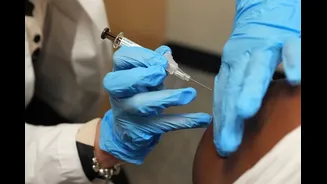
India is gearing up to implement a comprehensive nationwide vaccination program aimed at safeguarding young girls against the Human Papillomavirus (HPV),
a virus strongly linked to cervical cancer. This public health endeavor is particularly crucial given that cervical cancer ranks as the second most prevalent cancer among women in the country, impacting approximately 1.25 lakh individuals annually and tragically claiming 75,000 lives. The government's decision to introduce this vaccine represents a significant stride towards mitigating the burden of this preventable disease. The campaign is designed to be rolled out strategically, ensuring maximum reach and impact across the nation, with a clear focus on early intervention and protection for the most vulnerable age group.
Vaccination Strategy Unveiled
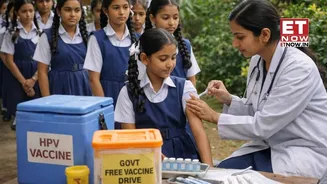
The national HPV vaccination drive will initially focus on girls aged between 9 and 14 years, implementing a single-dose regimen in line with World Health Organization (WHO) recommendations. This approach deviates from the traditional two-dose schedule, opting for a more streamlined and potentially more accessible method. The program is envisioned in three phases, targeting approximately 8 crore eligible girls across the country. Over the first three years, a third of this cohort will receive the vaccine annually, ensuring a gradual yet thorough coverage. Furthermore, the campaign will also accommodate newly eligible girls who turn nine within the vaccination period, ensuring no eligible child is missed. The distribution will leverage existing government vaccination centers and school-based outreach programs, facilitating broad accessibility.
The Power of One Dose
Recent scientific evidence has bolstered the decision to adopt a single-dose HPV vaccination strategy. Studies conducted in Sweden and England have demonstrated that vaccinating teenage girls with even one dose can dramatically reduce the risk of developing cervical cancer by over 85% by the age of 30. This finding is particularly significant as it aligns with the WHO's Strategic Advisory Group of Experts on Immunisation's recommendations, which suggest that a single dose can be equally effective, especially in situations where dose availability might be a concern during the introduction of new vaccination campaigns. The rationale behind this extended interval, and potentially single-dose approach, is to optimize vaccine supply while maintaining robust protection against HPV infections and the subsequent development of cervical cancer.
Building a Healthier Future
The government's commitment to eradicating cervical cancer through proactive vaccination is further underscored by its inclusion in the budget speech. This nationwide initiative signifies a crucial step towards enhancing women's health across India. By targeting young girls before potential exposure to the virus, the campaign aims to build lifelong immunity and significantly curb the incidence of HPV-related cancers. The collaboration between healthcare providers, educational institutions, and public awareness campaigns will be instrumental in ensuring the success of this vital public health measure, paving the way for a future with a substantially reduced burden of cervical cancer.