





Basil: A Fragrant Guardian
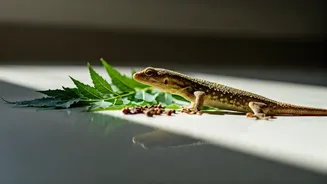
Basil, scientifically known as Ocimum basilicum, is a culinary staple in India and doubles as a powerful lizard deterrent. Its distinct fragrance, often
likened to cloves, is highly unpleasant to lizards, causing them to flee. This plant thrives in sunny conditions and is frequently incorporated into Indian dishes, making it a dual-purpose addition to your home. Strategically placing basil near entry points or windows can create a natural barrier, discouraging these creatures from venturing indoors. Its ease of growth and natural pest-repelling qualities make it a top choice for a lizard-free living space.
Garlic: The Sulfur Shield
Garlic's pungent aroma, attributed to its high sulfur content, is a well-established natural repellent for many pests, including lizards. Researchers have noted its efficacy in keeping these reptiles at bay. To maximize its repellent effect, consider planting garlic cloves around your potted plants or hanging garlic braids near doorways and windows. This approach not only aids in pest control but also provides a convenient and readily available supply of garlic for your kitchen. Cultivating garlic is relatively simple and can be done throughout the year, offering a cost-effective and eco-friendly solution to your lizard problem.
Lemongrass: Citrus Defense
Lemongrass emits a strong, citrusy scent that acts as an invisible shield against lizards. While pleasant to humans, this potent aroma is highly offensive to lizards, effectively keeping them away. This versatile plant is best positioned near entry points such as doors and windows, or its essential oil can be diluted and sprayed around areas prone to lizard activity. Lemongrass flourishes in warm, moist environments, typical of many Indian climates, and its edible nature makes it a valuable addition to your garden beyond its repellent properties. It offers a visually appealing and aromatic defense system.
Marigolds: Pyrethrin Powerhouses
Marigolds are renowned for their vibrant colors and their natural ability to repel insects and lizards, thanks to the presence of pyrethrin. This naturally occurring compound is a key ingredient in many commercial insect repellents. Planting marigolds along garden borders or on window sills not only adds a splash of cheerful color to your surroundings but also serves as a protective barrier against unwanted guests. In India, these bright flowers are often used in celebrations, bringing beauty and an added layer of natural pest control to festive occasions. They are a delightful way to beautify your space while deterring lizards.
Lavender: Aromatic Escape
The distinct and potent fragrance of lavender is a powerful attractant for humans but a strong repellent for lizards and many other insects. Lizards find the scent overwhelming and tend to avoid areas where it is present. You can harness its repellent qualities by either spraying diluted lavender oil in affected areas or planting lavender in a sunny spot where it can flourish. Lavender is relatively low-maintenance and adapts well to indoor planting, originating from the Mediterranean region. Introducing lavender can help ensure peaceful nights free from intrusive lizard visitors, making it a valuable addition to your collection of natural repellents.
Eucalyptus: Potent Oils
Eucalyptus leaves are rich in volatile oils that emit a strong, aromatic scent which lizards find particularly disagreeable. Studies suggest that the aroma of eucalyptus is as offensive to lizards as it is to numerous insect species. For optimal results, place potted eucalyptus plants, often referred to as Nilgiri plants in India, strategically near doorways. This Australian native thrives in well-lit conditions, making balconies an ideal location. By incorporating eucalyptus into your home, you can effectively transform it into a lizard-free sanctuary, leveraging nature's own powerful deterrents.
Rosemary: Pungent Repellent
Rosemary's sharp and distinct aroma acts as a natural deterrent, effectively steering house lizards away from your garden and home. The pungent fragrance of this herb is known to irritate and repel lizards, keeping them from settling in your vicinity. Rosemary prefers temperatures above 10°C, making it suitable for cultivation during warmer periods or in sheltered locations. Beyond its repellent capabilities, rosemary can be used in culinary dishes or blended into sprays for broader application. This European herb not only provides a natural defense against house lizards but also enhances the ambiance of your garden with its pleasant scent, offering a chemical-free solution.
Peppermint: Minty Disruption
The invigorating and sharp scent of peppermint is highly effective in driving lizards away due to their sensitive sense of smell. Research indicates that such strong aromas can disrupt their comfort and sensory perception, leading them to seek out less pungent environments. You can utilize peppermint by planting it in pots near windowsills or by crushing its leaves and mixing them with water to create a repellent spray for entry points. This European native thrives indoors with partial sunlight and also serves as an effective spider repellent, contributing to a refreshed home atmosphere while deterring unwanted guests.