





Holi 2026 Date
Holi, the universally cherished festival of colors, is set to illuminate India on Tuesday, March 3, 2026. This joyous occasion is observed on the day of the full
moon, known as Purnima, during the Hindu month of Phalguna. According to the Gregorian calendar, this typically falls within the months of February or March, and for 2026, the celestial alignment places Holi on this specific March date. The Purnima Tithi, marking the full moon, begins on March 2, 2026, at 05:55 PM and concludes on March 3, 2026, at 05:07 PM, signifying the primary day for the festivities. This vibrant festival is a time when communities come together, casting aside differences to revel in a spirit of shared joy and celebration.
Holika Dahan Timing
The auspicious rituals preceding the main Holi celebration, known as Holika Dahan, will take place on the evening of Tuesday, March 3, 2026. This significant ceremony involves lighting bonfires and is best observed during the Pradosh period, which is the time spanning from sunset to approximately two hours after sunset. Specifically, the Holika Dahan Muhurta is scheduled from 06:22 PM to 08:50 PM on March 3rd. It's important to note that this timing is observed during Pradosh, without the Udaya Vyapini Purnima, emphasizing the specific astrological considerations for this sacred rite. Prior to the main bonfire, there are also specific periods like Bhadra Punchha, from 01:25 AM to 02:35 AM, and Bhadra Mukha, from 02:35 AM to 04:30 AM on the same day, which are also part of the traditional observance.
Significance of Holi
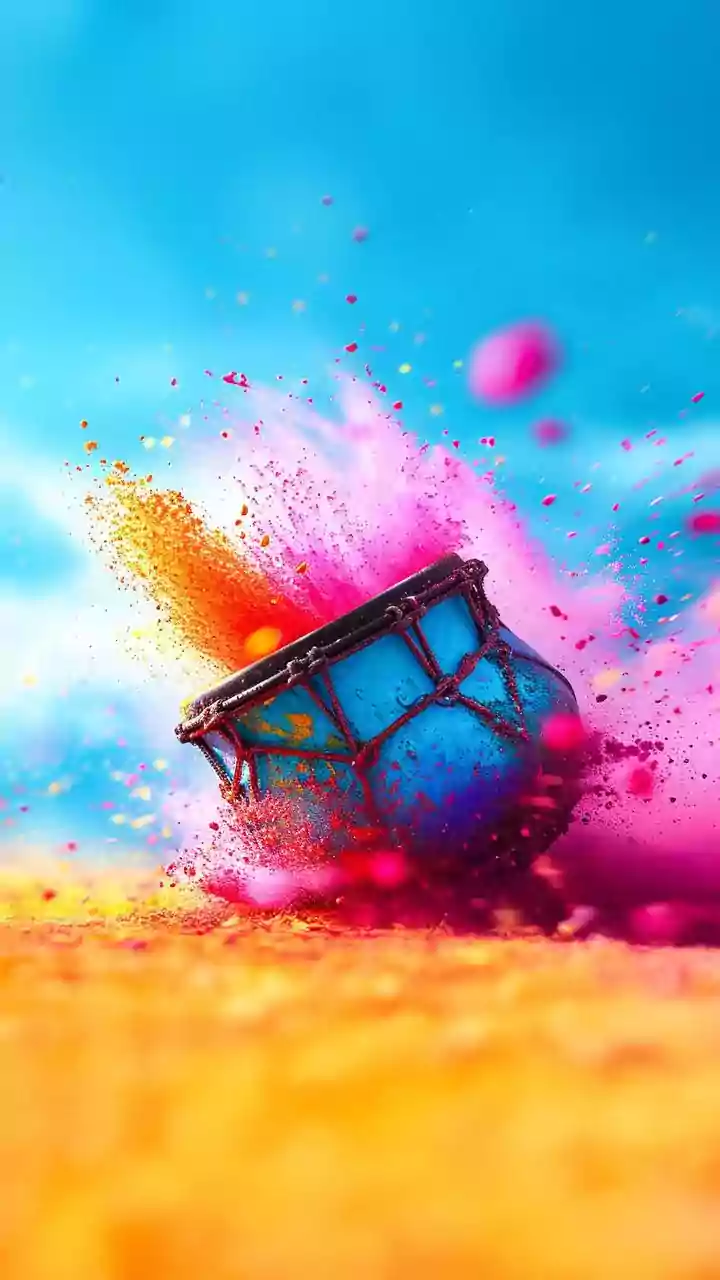
Beyond its reputation as the festival of colors, Holi is deeply imbued with spiritual and cultural significance in Hinduism. It represents a powerful allegory for the triumph of good over evil, a theme notably symbolized by the Holika Dahan ritual. This festival heralds the arrival of spring, marking a transition from the dormancy of winter to the rebirth and vibrancy of new life, symbolizing fresh beginnings and renewal. It is also a profound festival of love, hope, and divine blessings, encouraging participants to embrace happiness and let go of past grievances. Social distinctions of caste, creed, gender, and religion dissolve as people from all walks of life unite in a spirit of camaraderie, sharing the joy of the festival. The act of smearing 'gulal,' or colored powders, and playfully throwing water balloons signifies the release of inhibitions and the celebration of unity, fostering an atmosphere of peace, forgiveness, and solidarity across the nation.