




Sponges: A Germ Haven
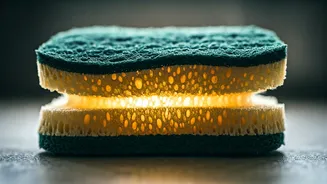
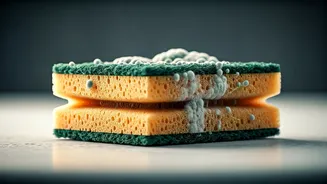
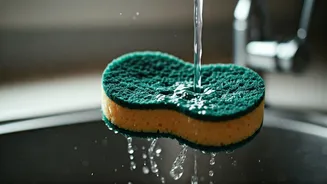
Kitchen sponges, essential for dishwashing, are surprisingly effective at accumulating bacteria. Their porous nature, combined with constant exposure to
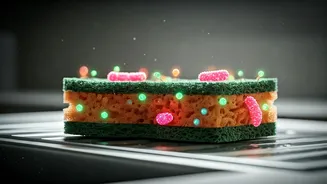
moisture and food debris, creates an ideal environment for microbial growth. When not properly maintained, these seemingly innocuous cleaning tools can become a significant source of contamination, potentially spreading pathogens throughout your kitchen. Imagine millions of tiny organisms thriving in that damp, dark sponge – it's a stark reality that highlights the importance of diligent hygiene practices. The moist conditions and readily available food particles allow bacteria to multiply at an astonishing rate, transforming a simple sponge into a thriving ecosystem of germs that can be transferred to dishes and surfaces.
Cross-Contamination Risks
The act of washing utensils that have come into contact with raw foods, like chicken or unwashed vegetables, poses a significant risk of cross-contamination. Bacteria such as Salmonella or E. coli, commonly found in these raw ingredients, can easily adhere to the sponge. Subsequently, this contaminated sponge can transfer these harmful microbes to other dishes, cutting boards, or even kitchen countertops during subsequent cleaning tasks. This silent spread of pathogens can elevate the chances of foodborne illnesses if stringent hygiene measures aren't consistently followed. It's a cycle where a dirty sponge doesn't just fail to clean; it actively spreads germs, underscoring the need for awareness and preventative actions.
Disinfection Myths & Reality
Many people attempt to sterilize their kitchen sponges using methods like microwaving or boiling. While these heat-based approaches can significantly reduce the bacterial load, they are not foolproof and may not eradicate all microbes. High temperatures can kill a substantial number of microorganisms, but some resilient bacteria might survive, especially if the sponge is heavily soiled. Therefore, while microwaving a wet sponge for about a minute or immersing it in very hot water can help, it's crucial to understand that complete sterilization is not always guaranteed. These methods serve as a temporary measure to lower bacterial counts but do not eliminate the need for regular replacement.
Replacement and Odor
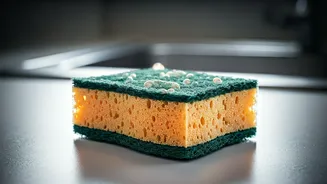
Regular replacement of your kitchen sponge is paramount for maintaining a sanitary cooking environment. A general recommendation is to either thoroughly wash or disinfect the sponge frequently and replace it entirely every one to two weeks, depending on its usage frequency. Pay close attention to the sponge's condition; if it develops a persistent bad odor or shows signs of wear and tear, it's a clear indicator that it has reached the end of its useful life and must be discarded promptly. These visible and olfactory cues are critical warnings that the sponge is no longer effectively cleaning and may be harboring excessive levels of bacteria.
Health Impact of Sponges
Typically, the bacteria residing on a contaminated kitchen sponge will lead to mild symptoms of food poisoning, such as nausea, vomiting, diarrhea, or stomach cramps. However, in less common scenarios, particularly for vulnerable individuals like the elderly, young children, or those with compromised immune systems, infections caused by certain bacteria, like E. coli or Salmonella, can escalate into more severe health complications. These serious issues might even affect vital organs such as the kidneys. Fortunately, the risk of such severe outcomes can be substantially minimized by diligently maintaining kitchen cleanliness, consistently replacing sponges at recommended intervals, and strictly adhering to safe food handling practices.