

Orange Peels' Skin Secrets
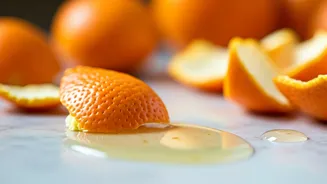
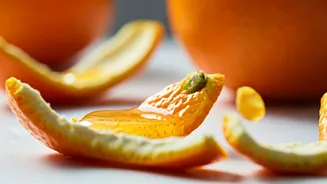
Orange peels are a treasure trove of skin-loving compounds. They are particularly rich in Vitamin C, a formidable antioxidant that diligently shields your
skin from the damaging effects of free radicals. These unstable molecules can wreak havoc on your cells, accelerating the aging process. Beyond protection, Vitamin C is instrumental in bolstering collagen synthesis, a vital protein responsible for maintaining your skin's firmness and elasticity. Furthermore, the natural compounds within orange peels possess mild bleaching properties, which can effectively diminish the appearance of dark spots and contribute to a more even complexion. The inherent citric acid acts as a gentle exfoliant, sloughing off dead skin cells to reveal a brighter, smoother layer underneath. Embracing this DIY serum allows you to harness these benefits without resorting to costly commercial products, while simultaneously reducing household waste.
Gathering Your Ingredients
To embark on your DIY serum creation, a select few accessible components are necessary. Foremost, procure two to three organic oranges; opting for organic is paramount to circumvent the potential residue of pesticides often found on conventionally grown produce. Alongside the citrus, you'll need two tablespoons of rose water, though distilled water can serve as an acceptable substitute if rose water is unavailable. One tablespoon of pure aloe vera gel will form the soothing and hydrating foundation of your serum. For moisture retention, incorporate half a teaspoon of vegetable glycerin, a potent humectant that draws hydration into the skin. Finally, to amplify the antioxidant punch and prolong the serum's shelf life, include the contents of two Vitamin E capsules.
Crafting the Serum: Step-by-Step
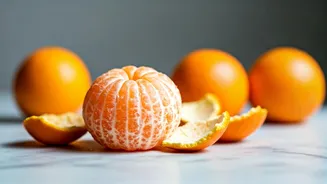
The journey to your homemade serum begins with preparing the orange peels. First, meticulously wash your organic oranges. Then, carefully peel them, ensuring you remove as much of the bitter white pith as possible, as this can impart an unpleasant taste and texture. Spread the peels flat on a tray and allow them to dry completely. This can be achieved by leaving them in direct sunlight for a few days or, for a quicker method, by baking them in your oven at its lowest possible temperature for one to two hours. Once thoroughly dried, blitz the peels into a very fine powder. Sieve this powder to eliminate any coarse particles, ensuring a smooth final product. Next, in a small bowl, combine a tablespoon of your finely ground orange peel powder with two tablespoons of rose water. Cover the bowl and let it steep for four to six hours; this crucial resting period allows the water-soluble Vitamin C to infuse into the water. Strain this mixture through a cheesecloth or coffee filter, pressing to extract all the liquid, and discard the remaining pulp. In a separate container, combine the infused orange liquid with the aloe vera gel and vegetable glycerin. Pierce the Vitamin E capsules and add their oil to the mixture. Whisk everything together vigorously until the aloe vera gel is fully incorporated and the serum achieves a slightly cloudy, gel-like consistency.
Storage and Application Guidance
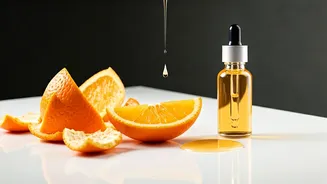
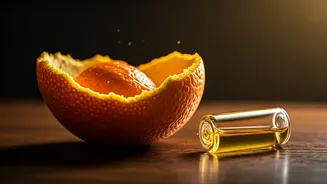
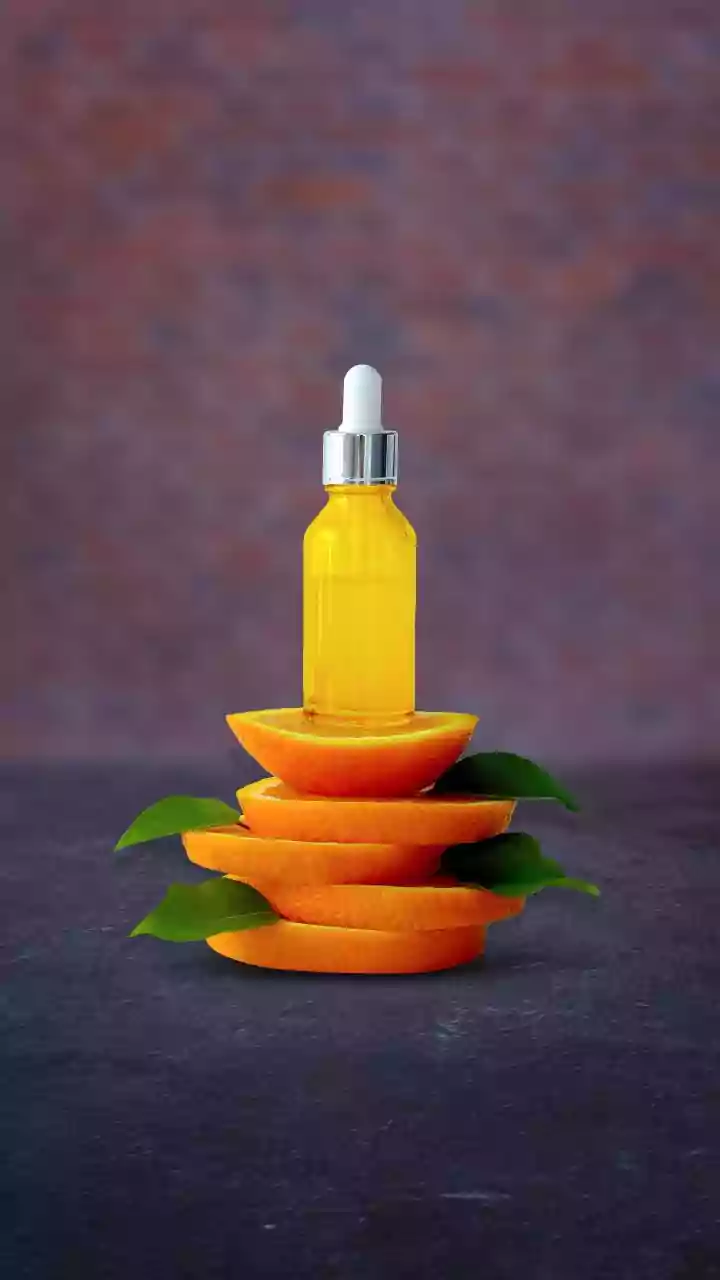
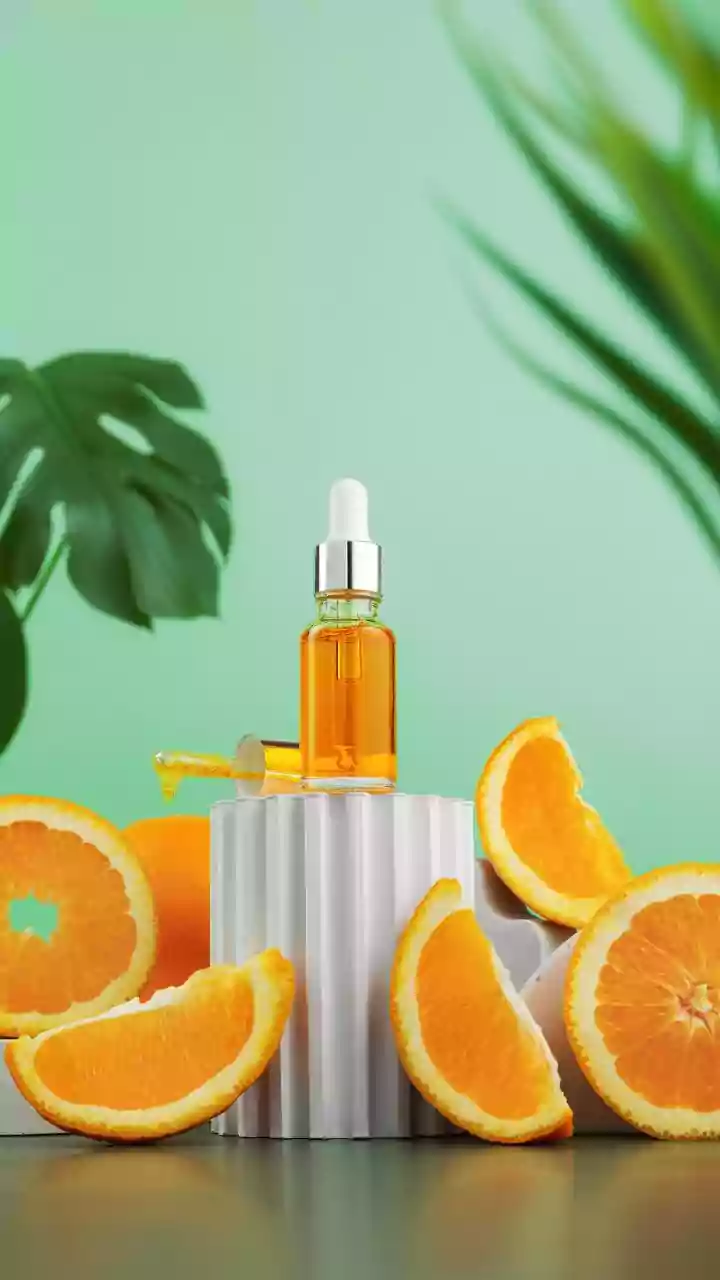
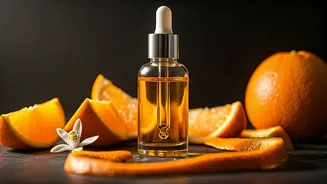
Proper storage is critical to preserve the efficacy of your homemade serum. Transfer the finished serum into a dark glass dropper bottle; amber or cobalt blue hues are ideal as they protect the sensitive Vitamin C from light degradation. Since this serum lacks artificial preservatives, it must be refrigerated to prevent the growth of mold and bacteria. When ready to use, after cleansing your face, apply three to four drops of the serum, gently massaging it in an upward motion. Always follow this with your preferred moisturizer. If applying in the morning, using a broad-spectrum sunscreen is absolutely mandatory. Vitamin C sensitizes your skin to UV rays, and unprotected sun exposure will swiftly neutralize the beneficial antioxidants you've just applied.
A Dose of Realism
While DIY skincare offers immense satisfaction, it's vital to manage expectations. The Vitamin C found in natural ingredients like orange peels is inherently unstable and prone to oxidation. If your serum develops a dark yellow or brown hue or begins to emit an unpleasant odor, it has oxidized and should be discarded immediately. You will need to prepare fresh batches every seven to ten days. Furthermore, a homemade, water-based extract will not penetrate the skin's barrier as deeply as professionally formulated clinical serums. It provides a beneficial surface-level brightening and hydration boost, representing a gentler approach to skincare. As with any new product, performing a patch test on your jawline 24 hours prior to full facial application is strongly advised to ensure no adverse reactions occur.