



The Boycott Threat
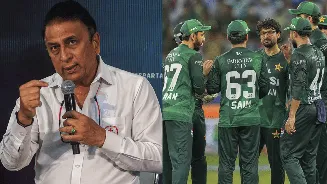
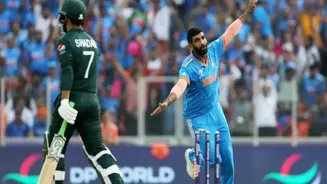
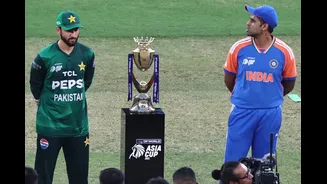
The central issue involves Pakistan contemplating a boycott of their T20 World Cup match against India. The International Cricket Council (ICC) has issued
a warning regarding this potential action, highlighting possible repercussions. This situation places Pakistan in a precarious position, as the consequences of such a move could extend far beyond a single match. The decision-making process is likely complex, taking into account multiple factors that could impact their position in international cricket. The cricketing community and fans are eagerly watching how this situation develops.
ICC's Warning Signals
The ICC's warning carries significant weight, as it emphasizes the potential 'long-term implications for cricket in [Pakistan]'. This suggests the governing body is concerned about the broader ramifications of a boycott, not just the immediate impact on the tournament. The ICC likely understands that such a decision could set a precedent, influencing future interactions between nations in cricket. It can affect Pakistan's standing within the sport, and its relationship with other cricketing nations. The ICC's response indicates a firm stance, underscoring the importance of adhering to the principles of fair play and international cooperation within the sport.
Tournament Implications
Should Pakistan proceed with the boycott, their path through the T20 World Cup could become severely limited. The immediate effect could include forfeiture of the match, leading to a loss of points and a diminished chance of advancing in the tournament. Besides this, further sanctions might be imposed, impacting their chances in future competitions. The potential ramifications could influence their ability to qualify for later stages. The decision could also affect Pakistan's reputation and its standing within international cricket, potentially impacting sponsorship deals and future opportunities.
Long-Term Repercussions
The long-term effects of a boycott could be even more damaging. Pakistan's relationship with the ICC and other cricket-playing nations could be negatively impacted. There could be a decline in their international cricket schedule, resulting in fewer opportunities for Pakistan to compete. The financial aspects might also be affected, as revenue from international matches and sponsorships could be reduced. The development of cricket within Pakistan could suffer as a result of a decrease in global exposure. Pakistan's cricket infrastructure might also face setbacks, as there may be reduced investment due to the loss of international credibility.
Possible Motivations
Several factors might be driving Pakistan's contemplation of a boycott. These could include political tensions between Pakistan and India, which have a history of affecting their sporting relations. Concerns over the scheduling of the match, or the perceived fairness of tournament conditions might also be a factor. The Pakistan Cricket Board (PCB) might have internal issues influencing their stance. Furthermore, the decision might be a strategic move to gain leverage in discussions with the ICC or other cricket boards. Understanding these factors is crucial to gauge the likelihood and consequences of the boycott. The reasoning behind the decision is therefore crucial to analyse.
Path to Super 8s
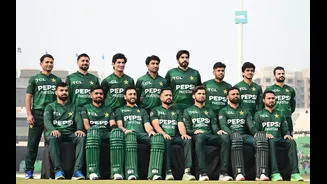
The route to the Super 8s stage of the T20 World Cup is complicated for Pakistan by any potential boycott. Their standing in the group stages would be altered if they forfeited a match. This could compromise their chances of advancing to the next round, potentially ending their campaign. Every match is significant at the Super 8s stage. Pakistan's performance in the preliminary matches would become even more critical to avoid elimination. If they choose to play, a win against India is extremely important and would provide a major boost to their confidence and ranking. The ramifications of the team's choices will heavily shape their prospects in the tournament.
Cricket's Future
The situation surrounding Pakistan's potential boycott has significant implications for the future of cricket. The resolution of this situation will influence how other nations approach their cricket engagements. Cricket’s global appeal could be affected by it. Fair play and the spirit of competition will also be under scrutiny. If the boycott goes ahead, it could impact how cricket authorities deal with similar issues in the future. It’s an important moment that underscores the need for countries to prioritize sportsmanship and international relations to make the sport a unifying and engaging experience for everyone.