





Origins and History
The origin of Tarot cards is shrouded in mystery, although their roots can be traced back to the 15th century in Europe. Initially, Tarot was used as a game,
but over time, it evolved into a tool for divination and self-exploration. The earliest Tarot decks were hand-painted and featured elaborate illustrations, showcasing the artistic skills of the time. The evolution of Tarot from a simple card game to a tool for introspection mirrors a broader cultural shift towards seeking meaning and understanding the complexities of life. This transformation reflects humanity's continuous quest for self-discovery and the exploration of the unknown, making Tarot a timeless practice that continues to captivate and intrigue.
The Structure of Decks
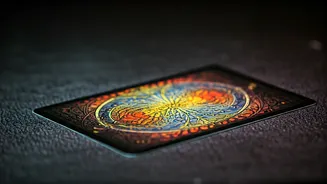
A standard Tarot deck comprises 78 cards, split into two primary sections: the Major Arcana and the Minor Arcana. The Major Arcana consists of 22 cards, each representing significant life themes, archetypes, and spiritual lessons. These cards depict pivotal moments and universal experiences, from the Fool's journey to the World card's completion. The Minor Arcana, on the other hand, is made up of 56 cards, divided into four suits: Wands (representing fire, action, and will), Cups (water, emotions, and relationships), Swords (air, intellect, and challenges), and Pentacles (earth, material possessions, and stability). Each suit includes ten numbered cards and four court cards (Page, Knight, Queen, and King), adding layers of complexity and nuance to the readings. Understanding the structure is fundamental to interpreting the cards and their layered meanings, unlocking the narrative of the cards.
Interpreting the Cards
Interpreting Tarot cards requires a blend of knowledge, intuition, and contextual awareness. Each card carries a multitude of potential meanings, influenced by its position in a spread, the cards surrounding it, and the querent's individual circumstances. The core meanings of each card, as described in detailed guides, serve as a base, but the interpreter's intuitive understanding adds a unique dimension. Reversals, where the card is drawn upside down, add further complexity, often denoting a blocked energy or a different facet of the card's primary theme. Experienced readers may also incorporate other methods such as numerology or astrology to deepen their interpretation. Regular practice, self-reflection, and a willingness to explore the symbolic language are essential for developing proficiency and gaining meaningful insights from Tarot.
Different Card Spreads
Tarot readings can utilize various spreads, each tailored to different questions and needs. The simplest is the one-card spread, providing a single message. The three-card spread is commonly employed to analyze the past, present, and future, or to examine a situation's current state, challenges, and likely outcome. More complex spreads, like the Celtic Cross, use ten cards and delve deeply into various aspects of the situation, offering detailed perspectives on influences, internal factors, and potential outcomes. Custom spreads can be created to address specific queries. The chosen spread influences the depth of the reading, so selecting the appropriate spread is as crucial as understanding the cards themselves. Each spread serves as a framework to organize the cards and offer a comprehensive understanding.
Tarot and Divination
Tarot's role in divination is often misunderstood. It does not predict the future rigidly but acts as a tool to gain insights into potential future paths, helping individuals make informed choices. The cards may highlight underlying influences, challenges, and opportunities, assisting in making crucial decisions. By exploring the cards' symbolic language, one can identify patterns, trends, and possible outcomes that otherwise might go unnoticed. It's a method of self-exploration and understanding the complexities of the human journey. Tarot readers emphasize that the user always has free will. They focus on providing clarity and understanding, rather than providing definitive answers. This method empowers individuals to navigate life's complexities with greater awareness and self-knowledge.
Tarot for Self-Reflection
Beyond divination, Tarot is a strong tool for self-reflection and personal development. The cards prompt introspection by encouraging the exploration of emotions, beliefs, and behaviors. Meditating on the cards allows individuals to connect with their inner selves, uncovering hidden aspects of their personalities and identifying areas for growth. Drawing a daily card can serve as a catalyst for contemplation and awareness, encouraging mindfulness and self-compassion. Tarot guides those on a path of self-improvement by offering insights into both the strengths and weaknesses, fostering a deeper understanding of their inner world. By embracing the reflective aspects of Tarot, one can develop a greater sense of self-awareness and self-acceptance, transforming challenges into opportunities for growth and resilience.
Ethical Considerations
Practicing Tarot responsibly necessitates ethical considerations. It is critical for readers to approach the process with integrity and a deep respect for the querent. Readers should create a safe, supportive environment where the querent can freely share thoughts and feelings without judgment. The focus should be on empowerment and guiding the querent towards self-awareness and making their own informed decisions. Readers must never provide definitive predictions or make promises, but should highlight possible paths, keeping in mind that the querent has full control. Confidentiality is paramount, and respect for the privacy of the querent must be maintained. Readers should continually develop their abilities and maintain the highest ethical standards to provide a meaningful and helpful Tarot experience.