



Scalp Massage & Circulation
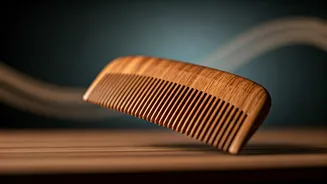
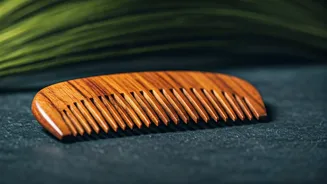
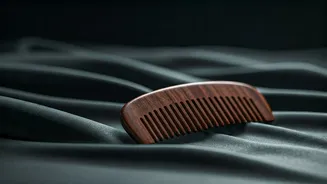
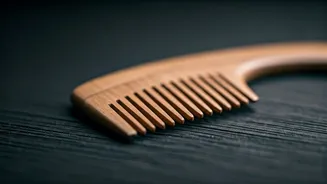
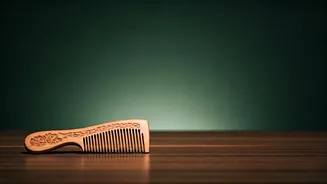
The practice of gently massaging the scalp with a wooden comb, often seen as a Japanese ritual and familiar in Indian households, has resurfaced on social
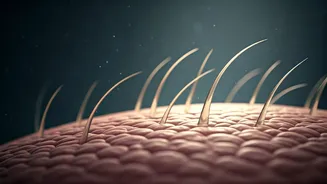
media. It's primarily promoted as a remedy for premature greying. Dermatologists confirm there's scientific merit to this practice. The key lies in enhanced blood circulation to the scalp. This increased flow delivers vital oxygen and nutrients directly to the hair follicles, fostering a healthier environment for hair growth. While improved circulation can help maintain the vitality of pigment cells, thus potentially slowing the onset of grey hair, it's crucial to understand that greying is a multifaceted issue. Genetic predisposition, natural aging processes, and broader lifestyle choices significantly influence when and if hair turns grey. Therefore, while a nightly scalp massage can be beneficial, it should not be viewed as a singular solution to prevent greying entirely.
Stress Relief & Wellness
The perceived effectiveness of the wooden comb ritual often stems from a blend of physical stimulation and psychological benefits. Beyond just physical nourishment for the scalp, the gentle massage action induces relaxation and significantly reduces stress levels. In today's fast-paced world, stress is a well-documented contributor to both premature hair greying and hair loss. Individuals who consistently incorporate this ritual into their routine may observe improvements not due to any mystical properties, but rather because the practice effectively alleviates stress and provides overall scalp nourishment. It's this holistic approach to well-being, combining physical care with mental unwinding, that likely underpins the positive experiences reported by many users.
Who Should Try It?
For most individuals, incorporating a gentle scalp massage with a wooden comb or even fingertips into their routine is unlikely to cause harm and can be a pleasant experience. The key is to perform the massage with care and gentleness. However, individuals suffering from pre-existing scalp conditions, such as eczema, psoriasis, or any active infections, should exercise caution. It is highly recommended that these individuals consult with a dermatologist before attempting such practices. A healthcare professional can assess the specific condition of the scalp and provide tailored advice, ensuring the ritual complements, rather than exacerbates, any existing dermatological issues and is safe to proceed with.
Realistic Expectations
It is paramount to approach the wooden comb scalp ritual with realistic expectations, understanding that it is not a magical cure. While the massage and combing can be a valuable addition to a regular hair care regimen, the primary determinant of hair greying remains largely genetic. For optimal hair health, a balanced diet, ensuring adequate sleep, and effective stress management are fundamental pillars. These lifestyle factors play a far more significant role in maintaining hair vitality and preventing premature aging. For those who are already experiencing greys, scientifically proven methods like hair dyes or specific medical interventions are currently the only established solutions to address the cosmetic aspects of greying.
A Self-Care Practice
Ultimately, the Japanese wooden comb scalp ritual can be embraced as a worthwhile wellness practice. It is an accessible and affordable way to incorporate self-care into one's daily life. The benefits extend beyond hair health, contributing to improved hair texture and enhanced sleep quality. Rather than viewing it as a definitive solution for hair concerns, it's more accurately positioned as a relaxing self-care activity. If you find joy in establishing calming routines that promote relaxation, this practice can serve as a wonderfully soothing component of your evening wind-down, fostering a sense of peace and well-being before you drift off to sleep.