



A Culinary Celebration
The Rashtrapati Bhavan, the official residence of the President of India, often hosts grand events that showcase the country's diverse culture. One such
event is the Republic Day High Tea, where guests are treated to a selection of culinary delights. A recent high tea featured dishes from Northeast India, a region known for its unique and flavorful cuisine. This culinary focus was a deliberate attempt to highlight the rich diversity of India and promote regional specialties. Serving these dishes at a prestigious event like this also served to increase their visibility and appreciation across the nation.
Northeast Flavors Explored
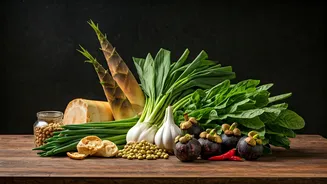
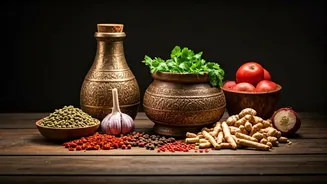
The Northeast region of India consists of eight states: Arunachal Pradesh, Assam, Manipur, Meghalaya, Mizoram, Nagaland, Sikkim, and Tripura. Each state brings its own unique culinary traditions, shaped by the local ingredients and cultural influences. The dishes served at the Rashtrapati Bhavan were chosen to represent this diversity. The selection typically includes dishes that use locally sourced ingredients like bamboo shoots, fermented soybean, and various herbs and spices. This focus on local produce not only enhances the flavor but also promotes sustainable practices, which can be seen as an additional benefit of this culinary showcase.
Dishes That Stood Out
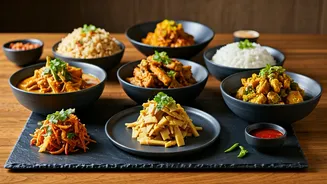
While the exact menu can vary, the goal remains the same: to present the best of Northeast Indian cuisine. Some of the dishes commonly found at such events could include various preparations of rice and meat, often cooked with unique combinations of herbs and spices. Furthermore, fermented ingredients, such as bamboo shoots, are used frequently to provide a sour and tangy flavor profile. The dishes served at the Rashtrapati Bhavan highlight the distinct taste profiles of each state. Such an initiative also promotes cultural exchange and a better understanding of the food habits of different regions, allowing guests to experience flavors they might not have otherwise encountered.
Cultural Significance
Food plays a crucial role in the cultural identity of the Northeast. The dishes are often associated with specific festivals, ceremonies, and celebrations. Serving these dishes at a prominent event such as the Republic Day High Tea helps in preserving and promoting these cultural traditions. In addition, the event provides a platform to celebrate the culinary heritage of a region, giving it recognition on a national platform. This recognition is important for the preservation of cultural practices as well as promoting the culinary abilities of the people in the Northeast. It strengthens cultural bonds and encourages greater appreciation for the diversity within India.
Impact and Legacy
The inclusion of Northeast Indian cuisine at the Rashtrapati Bhavan sends a powerful message. It highlights the importance of inclusivity and the celebration of India's diverse culinary landscape. This exposure can inspire chefs and food enthusiasts to explore and promote these unique dishes. Furthermore, it creates awareness about the culinary heritage of Northeast India, attracting tourists and fostering culinary tourism. This not only benefits the region's economy but also helps to promote and preserve its cultural identity. In short, such events play a pivotal role in shaping a more inclusive and appreciative view of India's culture.
Beyond The Plate
The initiative goes beyond just offering delicious food; it also has a significant social impact. It empowers local communities by promoting their culinary expertise and providing economic opportunities through tourism and the food industry. This encourages the younger generation to take pride in their culinary traditions and motivates them to carry it forward. Such initiatives help build bridges across communities, fostering a sense of national unity. Furthermore, showcasing these dishes can also lead to the increased availability of these cuisines across the nation, making it accessible to a wider audience, which eventually strengthens cross-cultural understanding.
A Taste of Tomorrow
The Republic Day High Tea, featuring Northeast Indian cuisine, acts as a reminder of India’s rich cultural tapestry. The ongoing focus on regional cuisine contributes to a larger national narrative of celebrating diversity. It inspires a continuous exploration of India's culinary heritage, encouraging creativity and preserving traditional cooking methods. The continued effort to incorporate different regional cuisines ensures a vibrant and dynamic culinary landscape, that allows culinary traditions to thrive. The flavors served at the Rashtrapati Bhavan serve as a testament to the culinary capabilities and also encourages a greater appreciation of India's cultural richness for generations to come.