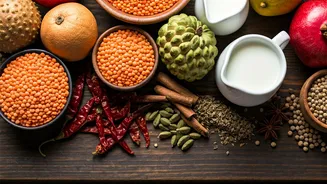







Pulses and Millets Powerhouse
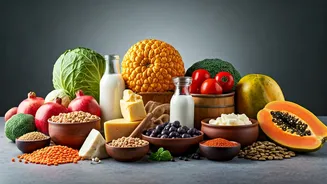
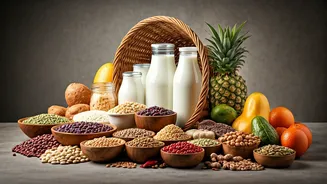
India reigns supreme in the production of pulses, affectionately known as the 'protein bowl' of the world. Contributing approximately 25% to the global
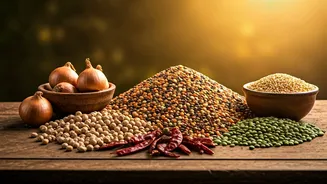
output, the nation produced 25.68 million tonnes of pulses in 2024–25 alone. Similarly, its millet production reached an impressive 18.59 million tonnes, securing the top global spot. States like Madhya Pradesh and Rajasthan are key contributors to pulse cultivation, while Rajasthan leads in millet output, underscoring India's vital role in global nutritional security and its significant contribution to these essential food groups.
Onion Production Champion
As a cornerstone of countless cuisines, onions are another area where India demonstrates global leadership. The country accounts for a substantial portion of worldwide dry onion production, estimated at around 25%. Major onion-growing regions within India include Maharashtra, Madhya Pradesh, and Gujarat, solidifying onions as one of the nation's most agriculturally important vegetable crops. This significant output ensures a consistent supply for both domestic consumption and international markets.
Spice Capital of the World
India's influence on the global culinary landscape is undeniable, largely due to its undisputed dominance in spice production. Annually, the nation produces an astounding 12 million metric tonnes of spices, encompassing a vast spectrum from turmeric and chili to cardamom and cumin. This immense variety and volume not only cater to domestic needs but also fuel a significant export market, valued at over $4.5 billion in recent years. Indian spices are instrumental in shaping global flavors across diverse cuisines, reinforcing India's status as the undisputed spice capital.
Mangoes: A Global Delight
When it comes to the beloved mango, India stands unmatched, producing over 20 million tonnes annually. This global leadership includes renowned varieties like Alphonso, Kesar, and Dasheri, which are not only a summer favorite within India but are also savored by consumers worldwide. The sheer volume and popular appeal of Indian mangoes solidify their position as a premier tropical fruit on the international stage.
Coconut Abundance
India's coastal regions are the source of its global leadership in coconut production, harvesting an exceptional 21.3 billion coconuts each year. Primarily grown in states such as Kerala, Karnataka, and Tamil Nadu, coconuts are integral to the Indian economy and daily life. Beyond their culinary uses, these versatile fruits play a crucial role for millions of farmers and contribute significantly to India's international trade, powering a substantial part of the tropical agricultural economy.
Milk Production Leader
India continues to hold its position as the world's largest producer of milk, with an impressive output of 248 million tonnes in 2024–25. This remarkable achievement is driven by a vast network of small-scale farmers and an extensive dairy infrastructure that operates daily. This grassroots-powered system has firmly established India as a dairy powerhouse and represents one of the nation's most significant agricultural success stories, ensuring a stable supply of this vital commodity.
Ginger's Global Reach
India's influence extends to the global market for ginger, where it contributes nearly 45% of the world's production, excelling in both quantity and quality. This essential ingredient, used in everything from curries and teas to traditional medicines and wellness beverages, has secured a place in kitchens and markets across the planet. Indian ginger exemplifies how the nation's produce not only enhances its own cuisine but also enriches the culinary and wellness traditions worldwide.
Eggs: Protein Power
The Indian poultry sector is experiencing robust growth, positioning the country among the leading global producers of eggs. This surge in production is crucial for providing an affordable source of protein, contributing significantly to improved health and nutrition for millions within India. The humble egg, therefore, plays a disproportionately large role in both the nation's diet and its economic landscape, showcasing its importance.