

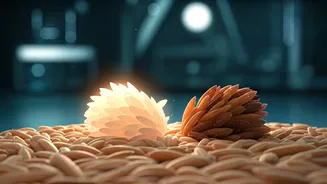
Revolutionary Grain Evolution
Scientists in Thiruvananthapuram, Kerala, at the CSIR – National Institute for Interdisciplinary Science and Technology (NIIST), have pioneered a revolutionary
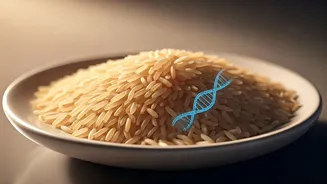
approach to rice, transforming it from a simple carbohydrate source into a nutrient-dense food. This isn't genetically modified food; rather, it's a sophisticated application of food-processing technology. The process involves deconstructing the rice grain into its fundamental components – starch, protein, and fiber. These components are then precisely reassembled, significantly increasing the protein content and decreasing the glycemic index (GI). This method ensures the rice retains its familiar taste and cooking characteristics while offering a substantially improved nutritional profile. The goal is to address malnutrition and provide a healthier staple for millions, particularly those managing metabolic conditions like Type 2 diabetes, by fundamentally re-architecting one of the world's most consumed foods.
Rethinking the Staple
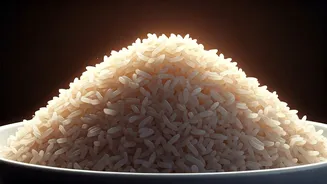
For over half the world's population, rice serves as a primary food source. However, conventional white rice, stripped of its bran and germ, primarily consists of starch. This starch is rapidly converted into sugar by the body, contributing to elevated blood sugar levels and a growing concern of Type 2 diabetes. This new 'designer rice' offers a fundamental shift. It's not merely about spraying nutrients onto existing grains; it's about a structural transformation. Imagine building a house: traditional rice is largely made of 'sugar bricks' (starch). The CSIR-NIIST team meticulously dismantled this structure, significantly reducing the starch content and reinforcing it with 'protein beams.' This strategic modification makes the rice a more balanced and health-conscious option, without altering the cultural significance or ease of consumption of rice.
Innovative Production Process
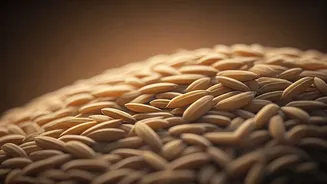
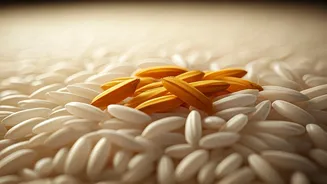
The creation of this enhanced rice bypasses genetic modification, relying instead on advanced food-processing techniques. The process begins with broken rice, often considered a lower-grade product. This broken rice is ground into a fine flour. This flour is then expertly blended with essential protein sources and crucial micronutrients, including iron, folic acid, and vitamin B12. The resulting mixture is meticulously reformed into individual grains that are indistinguishable from regular rice in appearance, texture, and taste. This ingenious method of reconstruction allows the rice to be fortified from within, creating a truly nutrient-dense food that seamlessly integrates into existing dietary habits while offering superior health benefits. This approach ensures that the familiar comfort of rice is maintained, but with a significantly upgraded nutritional value.
Dual Health Advantages
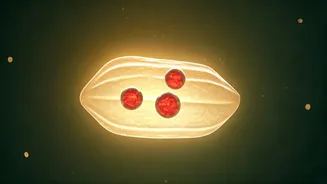
Designer rice presents two significant health advantages: a substantial increase in protein content and a lower glycemic index. While standard rice typically contains around 6–8% protein, this newly developed grain boasts over 20% protein. This elevated protein level not only aids in satiety, making individuals feel fuller for longer, but also contributes to better muscle health and more stable energy levels. Furthermore, the rice is designed with a low GI, falling below 55. This characteristic is crucial for individuals managing diabetes, as it ensures a slow and steady release of energy into the bloodstream, thereby preventing the sharp sugar spikes often associated with high-GI foods. The inclusion of iron, folic acid, and vitamin B12 also helps bridge nutritional gaps, particularly in regions where anemia is prevalent.
Accessibility and Impact
The vision for this designer rice extends beyond the laboratory, with a strong focus on making it accessible to the masses. CSIR-NIIST has already transferred its technology to prominent industry players like Consumer Products Limited, paving the way for its commercialization and availability in local grocery stores. This ensures that people do not need to alter their cultural eating habits or switch to expensive alternative grains like quinoa. They can continue to enjoy the rice they love, now with a significantly boosted nutritional value. Dr. C. Anandharamakrishnan, Director of CSIR-NIIST, even noted that the increased protein content actually enhances the taste, making it more palatable than regular rice. This innovation aims to be a tangible solution to everyday nutritional challenges, particularly for those who rely heavily on rice as a staple.