





Why Protein Matters
Protein is fundamental for a healthy body, playing a crucial role in building and repairing tissues, aiding in weight management by promoting a feeling
of fullness, and facilitating the production of essential enzymes and hormones. General dietary recommendations for adults suggest a daily intake of 0.8 to 1.2 grams of protein per kilogram of body weight, with more active individuals needing to consume closer to the higher end of this range. For men, this typically translates to 56 to 91 grams per day, while for women, it's around 46 to 75 grams, though these figures can vary based on activity levels and individual health conditions. Understanding these basic needs is the first step towards effectively incorporating sufficient protein into your diet.
A Day of Protein
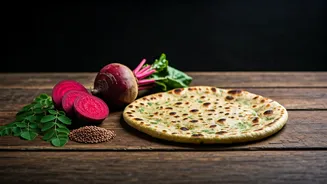
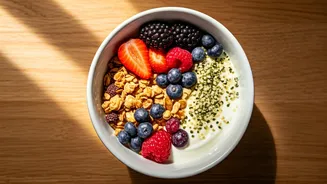
Achieving an 80-gram protein target each day is surprisingly manageable with strategic meal planning, particularly within the context of Indian cuisine. A well-structured day could begin with a nutrient-dense breakfast of oats prepared with milk or dahi, sweetened with honey and enhanced with chia seeds and nuts, which can provide an estimated 20 to 25 grams of protein. For lunch, a vegetarian spread featuring 100g of paneer, 150g of dal or chana, accompanied by green vegetables and rice with a side of dahi, can easily contribute between 25 to 27 grams. If opting for a non-vegetarian lunch, simply adding 120 to 150g of chicken to the meal can boost the protein content to approximately 35 grams without extra effort. The mid-afternoon period is an opportune time to supplement your intake with a protein shake or a natural, protein-rich dessert, aiming for an additional 20 grams. Finally, dinner can elegantly round off your daily protein goals with options like Khapli atta roti, dal, paneer sabzi, and dahi, leveraging the high protein and low gluten content of Khapli atta.
Diversifying Protein Sources
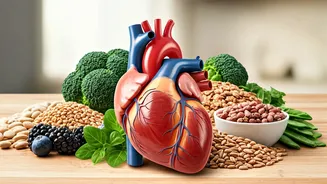
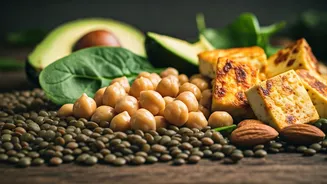
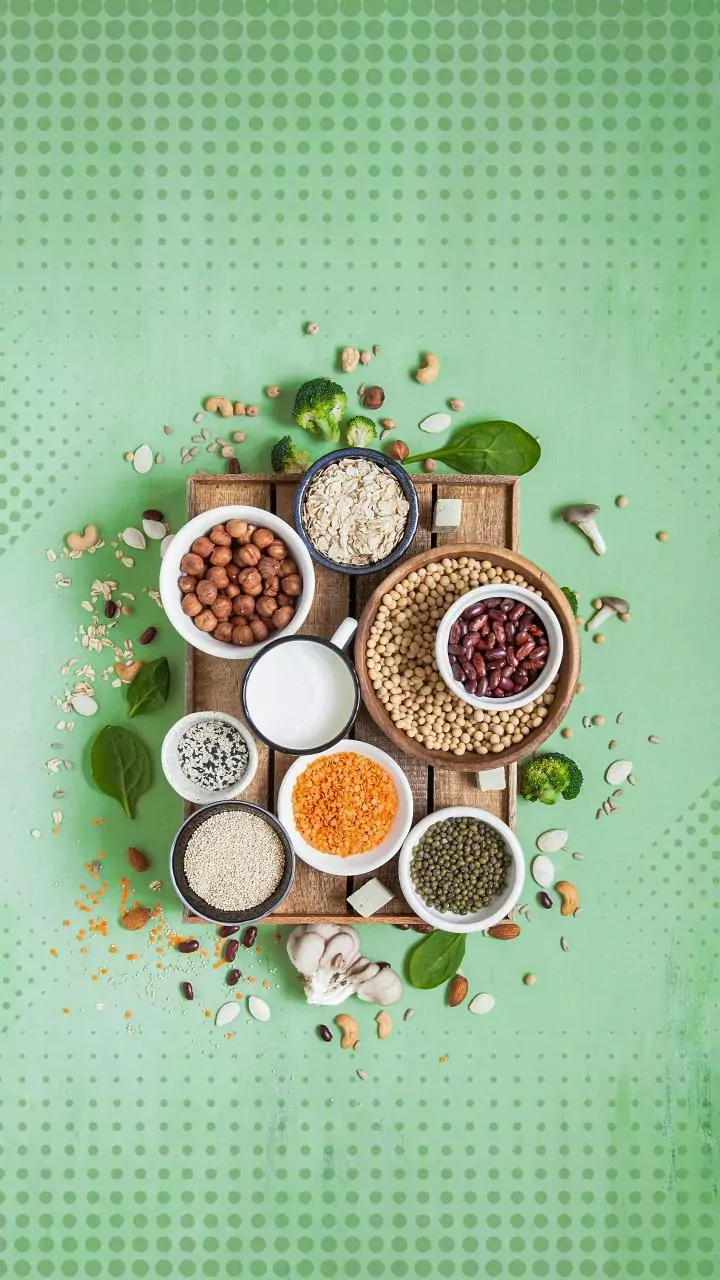
To effectively meet protein requirements, it's vital to incorporate a wide array of protein-rich foods into your diet. While animal-based products such as lean meats, poultry, and fish are recognized as excellent protein providers, plant-based alternatives like beans, lentils, tofu, and quinoa are equally potent in delivering essential amino acids. A diverse diet ensures your body receives a comprehensive spectrum of these crucial building blocks necessary for optimal bodily functions. For those who find it challenging to meet their protein needs solely through meals, protein shakes or bars can serve as convenient supplements to a well-rounded meal plan.
Important Health Considerations
While increasing protein intake offers numerous health benefits, it's important for individuals with pre-existing kidney conditions to exercise caution. Excessive protein consumption can place additional strain on the kidneys, and in some cases, a high protein diet may lead to increased calcium excretion from the body. Therefore, ensuring adequate calcium intake, either through dietary sources or supplements, is crucial for maintaining bone health. Before making significant changes to your protein intake, it is highly recommended to consult with a healthcare professional to determine the appropriate and safe amount tailored to your specific health needs and conditions.