
The Vedic Essence
The Vedas, an ancient collection of hymns, rituals, and philosophical treatises, form the foundation of Hinduism. Within these texts lies a vast ocean
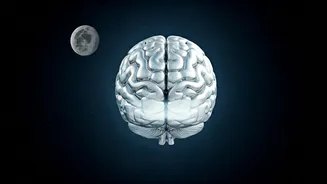
of wisdom, offering insights into various aspects of life, from the creation of the universe to the nature of the human soul. This quote, "The celestial Moon was born from the mind," draws from the rich philosophical tradition of the Vedas. It encapsulates a profound understanding of the interconnectedness between the macrocosm (the universe) and the microcosm (the individual). It is not merely a statement about the origin of the Moon; it's a symbolic representation of the mind's creative and transformative power, mirroring the celestial bodies in the heavens. The Vedas aim to help individuals attain self-realization and understand their place in the universe. Each mantra, verse, and story contained within it contains a subtle layer of meaning intended to be decoded over time.
Moon's Symbolic Role
In Vedic cosmology, the Moon holds a significant position. It is associated with the mind (Manas), emotions, and intuition. The Moon's birth from the mind symbolizes the process of creation originating from thought and consciousness. This perspective aligns with the Vedic belief that the universe itself emerged from a primordial consciousness. The Moon's phases represent the cyclical nature of life, death, and rebirth, mirroring the fluctuations of human emotions and mental states. The cool, gentle light of the Moon contrasts with the Sun's intense heat, symbolizing the calming influence of the mind on the tumultuous emotions. This concept suggests that understanding the mind is key to understanding the universe. This also encourages self-reflection, introspection, and the pursuit of inner peace. The Moon's influence extends to various aspects of life, including the tides, agriculture, and even human behavior.
Mind's Creative Power
The quote highlights the power of the mind in shaping reality. Just as the Moon is born from the mind, everything in existence is said to originate from the primordial consciousness. This viewpoint stresses the importance of thoughts, intentions, and mental discipline. The Vedic teachings emphasize the power of focused thought, meditation, and self-awareness to transform our inner and outer worlds. By understanding the nature of the mind and controlling its fluctuations, individuals can shape their lives and ultimately attain liberation (moksha). Cultivating positive thoughts, emotions, and intentions is paramount to create a harmonious and fulfilling existence. The connection between the mind and the Moon suggests that our inner world is a reflection of the celestial realm and that we possess the capacity to influence our destiny.
Living the Wisdom
Applying the Vedic quote requires a practical approach to life. It involves cultivating mindfulness, self-awareness, and mental clarity. Meditation practices help quiet the mind and observe thoughts without judgment. Paying attention to emotions and understanding their origins is crucial for emotional regulation. The concept invites us to be aware of our thoughts and the impact they have on our feelings and actions. By understanding the interplay between the mind, emotions, and the environment, individuals can lead more balanced and fulfilling lives. The quote encourages taking responsibility for our thoughts, emotions, and behaviors, as they shape our reality. The wisdom of the Vedas provides a pathway towards self-realization and offers practical guidance for navigating the complexities of life.