






The 'Designer' Innovation
Scientists at CSIR-NIIST have engineered a novel rice variety, affectionately termed 'Designer Rice,' which goes beyond conventional nutrition. Spearheaded
by Director C Anandharamakrishnan, this project is a testament to 'food architecture,' aiming to transform a staple into a health-fortifying food. The innovation is particularly significant for India, a nation grappling with a dual health challenge: being the 'diabetes capital of the world' due to the high glycaemic index (GI) of traditional rice, and simultaneously facing widespread 'hidden hunger' where individuals consume enough calories but lack essential proteins and micronutrients. Designer Rice ingeniously targets both these critical issues by enhancing protein content and reducing the glycaemic impact, offering a potent solution to improve the health of millions without requiring them to abandon their cherished culinary traditions.
From Broken Grains to Nutrition
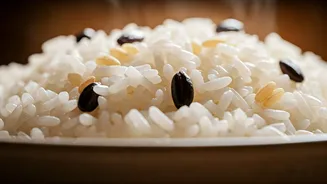
The brilliance of Designer Rice lies in its ingenious creation process, which surprisingly utilizes broken rice – typically a lower-value byproduct of the milling industry. Instead of resorting to genetic modification, the research team employs advanced food-processing techniques. These broken grains are meticulously ground into a fine flour. This flour is then enriched by blending it with substantial amounts of protein and crucial micronutrients such as iron, folic acid, and Vitamin B12. Following this enrichment, the mixture is skillfully reformed into grains that are indistinguishable from regular rice in appearance, texture, and taste. This method not only adds significant nutritional value but also embodies principles of a circular economy by finding an elevated purpose for an underutilized resource, thereby creating additional value for farmers.
Superior Nutritional Profile
Designer Rice stands out due to its remarkable nutritional advantages over conventional rice varieties. Firstly, it boasts a significantly lower glycaemic index, registering below 55. This low GI ensures a gradual release of energy, effectively preventing the sharp and detrimental blood sugar spikes often experienced by individuals with diabetes after consuming regular rice. Secondly, it is a protein powerhouse. While standard rice typically contains only 6-8% protein, Designer Rice elevates this to an impressive over 20%. This substantial increase in protein is not only beneficial for general health but also contributes to a more satisfying taste, as noted by Dr. Anandharamakrishnan. Furthermore, it acts as a fortified defense against anemia by intrinsically embedding essential iron, folic acid, and Vitamin B12 within the grain's structure, directly addressing micronutrient deficiencies.
Cultural Integration, Enhanced Health
The introduction of Designer Rice is designed for seamless integration into Indian diets and lifestyles, avoiding the need for drastic dietary shifts. Its creators emphasize that individuals can continue enjoying their beloved rice dishes, from simple accompaniments to elaborate meals like pulao and biryani, without compromising cultural practices. This approach makes it an accessible solution for improving public health, particularly for those managing diabetes or suffering from hidden hunger. Unlike alternative protein sources that might be expensive or unfamiliar, Designer Rice offers a familiar format with drastically enhanced nutritional benefits. It transforms the humble rice grain from a mere carbohydrate source into a potent tool for national health improvement, effectively serving as a 'prescription for a healthier nation'.
Rebuilding for Better Nutrition
The creation of Designer Rice can be likened to a meticulous reconstruction process, as described by Dr. Anandharamakrishnan. Researchers deconstruct traditional rice grains into their fundamental components: starch, protein, and fiber. These elements are then artfully reassembled to enhance the grain's overall nutritional makeup. In essence, a portion of the starch is reduced and subsequently replaced with additional protein and vital micronutrients. This process, entirely reliant on sophisticated food-processing technology rather than genetic modification, allows for a targeted recalibration of the grain's nutritional profile. This rebuilding approach ensures that the final product retains the familiar characteristics of rice while delivering a significantly more robust nutritional payload, making it a superior choice for health-conscious consumers and those addressing specific dietary needs.