






Sodium: Essential But Excess is Risky
While sodium plays a crucial role in bodily functions, most individuals already consume sufficient amounts through their regular meals. Incorporating extra
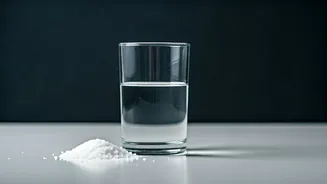
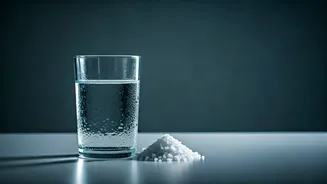
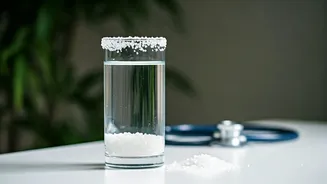
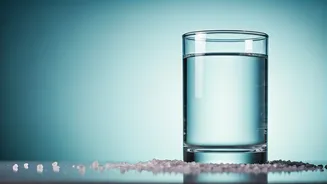
salt into drinking water on a daily basis can easily lead to an excessive sodium intake. This surplus can trigger a cascade of health concerns, including elevated blood pressure, unwanted fluid retention, and potentially serious long-term cardiovascular issues. The notion that more salt equates to better hydration is a misconception; the body primarily requires water, and an overload of sodium can paradoxically increase thirst. Experts emphasize that relying on natural hydration sources is generally the safest and most effective approach.
Electrolyte Hacks: A Social Media Phenomenon
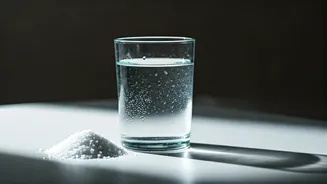
The recent surge in popularity of 'electrolyte hacks' on social media platforms has significantly fueled the trend of salting drinking water. While proponents suggest it aids rehydration, experts caution that this practice is largely unnecessary for everyday consumption. Salted water can indeed be beneficial in specific circumstances, such as after prolonged periods of intense physical exertion leading to heavy sweating, or following episodes of vomiting and diarrhea where the body loses vital electrolytes, including sodium. Exposure to extreme heat can also deplete sodium levels. However, transforming this into a daily ritual is not only redundant but potentially detrimental to one's health, moving beyond the body's actual requirements.
Who Must Avoid This Trend
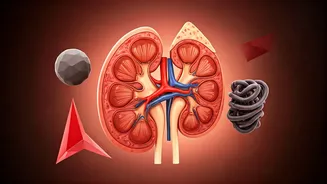
Certain individuals should absolutely refrain from adopting the salted water trend due to pre-existing health conditions. Those managing hypertension (high blood pressure), heart disease, kidney ailments, or experiencing significant swelling and fluid retention are particularly vulnerable. Individuals with diagnosed thyroid conditions should also exercise extreme caution. For those with kidney disease, any additional sodium load can be exceptionally taxing. Their kidneys' ability to process and excrete excess sodium is compromised, making adherence to a low-sodium diet paramount. Unless explicitly directed by a medical professional, people in these categories must steer clear of adding salt to their water.
When is Salted Water Appropriate?
There are indeed limited scenarios where adding salt to water can be appropriate, primarily concerning extreme physiological demands or specific medical conditions. Endurance athletes, individuals suffering from severe dehydration due to illness, or those exposed to high temperatures for extended durations may benefit from electrolyte replenishment, which includes sodium. However, even in these cases, medical professionals strongly recommend opting for commercially prepared Oral Rehydration Solutions (ORS) or medically formulated electrolyte drinks over the arbitrary addition of table salt. These specialized beverages offer a balanced and controlled intake of necessary minerals, ensuring rehydration without the risks associated with imprecise salt measurements.
Wise Consumption Guidelines
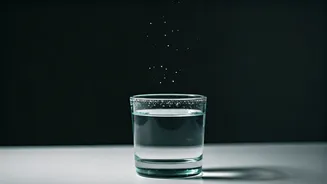
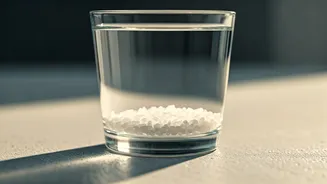
When considering the occasional use of salted water, especially during hot and humid weather or for individuals with high physical activity levels, a few key principles must be followed. Nutritionists advise that if one chooses to add salt, it should be a minuscule amount – just a pinch, not a spoonful. Crucially, this should be balanced with consistent intake of plain, clean water throughout the day. It is imperative to be aware of your personal health status before attempting this; individuals with blood pressure issues, kidney concerns, heart problems, or the elderly should avoid this practice unless a doctor specifically advises it. Always prioritize your body's signals and consult with healthcare providers regarding any new hydration strategies.