







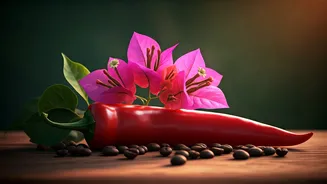
The Fiery Chilli's Journey
It's almost impossible to envision Indian cooking without the pungent kick of chilli peppers. Yet, this essential ingredient didn't always grace Indian kitchens.
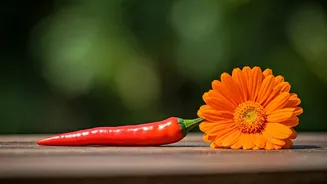
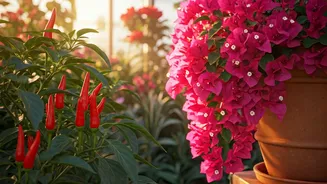
Originating from the Americas, specifically Central and South America, chillies were introduced to India by Portuguese traders during the 15th and 16th centuries. Before their arrival, indigenous spices like black pepper and long pepper were the primary sources of heat in Indian dishes. The remarkable adaptability of chilli peppers to India's diverse climates, however, allowed them to flourish and become a foundational element in a vast array of regional cuisines, forever changing the culinary landscape of the subcontinent.
Bougainvillea's South American Bloom
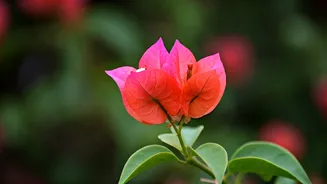
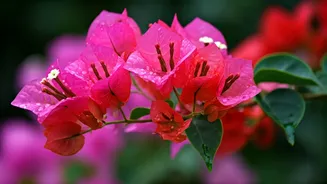
The vibrant splash of colour brought by bougainvillea, adorning countless Indian streets and compounds, is a familiar sight. However, these eye-catching plants, known for their spectacular bracts in shades of pink, purple, orange, and white, are not native to India. Their true origins lie in South America, with countries like Brazil, Peru, and Argentina being their native habitats. Their popularity in tropical and subtropical regions worldwide stems from their resilience to drought and their striking visual appeal. Varieties like 'Golden Glow', 'Louis Wathen', and 'Mrs. Butt' showcase the diverse colour palette this genus offers, making them a cherished ornamental plant in warmer climates.
Eucalyptus: An Australian Import
Across India, eucalyptus trees are a common feature, often planted for their fast-growing timber and paper pulp, as well as for providing quick greenery. However, these distinctive trees, with their characteristic aromatic leaves, are native to Australia and nearby islands. Introduced to India during the colonial era, their rapid growth was a significant advantage for various industrial and environmental purposes. Despite their utility, there has been ongoing debate among environmentalists regarding the ecological impact of certain eucalyptus species, particularly concerning their high water consumption and potential effects on local biodiversity.
Gulmohar's Madagascan Roots
The majestic gulmohar tree, celebrated for its breathtaking display of fiery orange-red blossoms during the summer months, is another plant often mistakenly believed to be indigenous to India. In reality, this ornamental tree originates from Madagascar. Its stunning visual impact and expansive canopy have led to its widespread cultivation as an avenue tree in Indian cities and on educational campuses, where its vibrant blooms create a spectacular sight. While now a common and beloved part of the Indian landscape, its origins are distinctly foreign, showcasing the global exchange of plant species.
Papaya's Central American Heritage
Today, papaya is a staple fruit cultivated and relished throughout India, a testament to its successful integration into the local diet. However, this tropical fruit originally hails from Central America and southern Mexico. Introduced to India centuries ago through maritime trade routes, papaya found a welcoming environment in the country's tropical climates. Its rapid adaptation, coupled with its nutritional benefits and digestive properties, quickly made it a popular and valuable crop. India now stands as the world's leading producer of papaya, with an annual output of approximately 3 million tonnes, far surpassing its original homeland in production volume.