





Lentil Nutritional Showdown
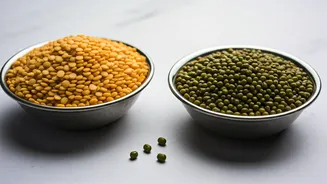
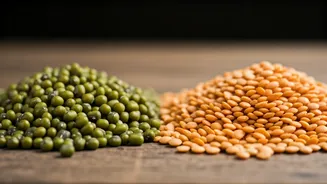
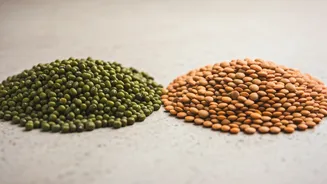
In the quest for a leaner physique, Indian kitchens often feature moong dal and arhar dal as primary protein and fibre sources. While both are nutritional
powerhouses, subtle disparities in their calorie density, protein composition, and fiber content can significantly influence how they affect satiety and digestion, crucial factors for anyone aiming for weight management. Many individuals gravitate towards moong dal due to its perceived lightness and ease of digestion, whereas arhar dal is a time-honored staple, valued for its filling nature. However, the impact of these dals on weight loss is not solely determined by the lentil itself; cooking techniques, portion control, and accompanying ingredients play equally vital roles. Understanding these nuances allows for better integration into a calorie-conscious diet without sacrificing culinary enjoyment. For instance, per 100g of cooked dal, moong dal typically offers between 120-140 kcal with 7-8g of protein and 4-5g of fiber. Arhar dal, on the other hand, tends to be slightly higher in calories, ranging from 130-150 kcal per 100g, while providing a comparable 7-8g of protein and a slightly more abundant 5-6g of fiber. These figures suggest that moong dal holds a slight advantage due to its lower calorie count and easier digestion, potentially promoting a better feeling of fullness for fewer calories. While neither lentil is a miracle cure, moong dal's gentler profile can be more conducive to maintaining a calorie deficit required for weight loss.
Satiety and Blood Sugar Balance
The interplay of fiber, protein quality, and digestibility in both moong and arhar dal profoundly influences how long you feel satisfied after a meal, your blood sugar regulation, and ultimately, your success in managing weight. Moong dal, with its balanced fiber and high-quality protein, aids in slowing down digestion. This gradual release of nutrients helps maintain stable blood sugar levels, preventing those energy slumps and subsequent cravings that can derail weight loss efforts. Arhar dal also contributes positively to satiety with its higher fiber content, which further aids in feeling full. However, for some individuals, the more complex fiber structure of arhar dal might lead to a feeling of heaviness or even bloating. Moreover, it might have a slightly higher glycemic index compared to moong dal, meaning it could potentially cause a quicker rise in blood sugar. Moong dal, being more easily digestible, promotes a smoother digestive experience, allowing for consistent energy release without discomfort, which is beneficial for maintaining a regular eating pattern. Both dals are excellent for muscle building, a key component of a healthy metabolism, but moong dal offers a quicker energy boost, making it ideal for those with active lifestyles or busy schedules. Choosing between them can depend on individual digestive tolerance and personal energy needs.
Optimal Preparation and Portioning
For individuals committed to losing weight, strategic portioning and mindful preparation of moong and arhar dal are paramount. A recommended serving size for dry dal is approximately 30-40 grams, which translates to roughly half to three-quarters of a cup when cooked. This portion generally falls within the 100-120 calorie range, making it an excellent choice for calorie-controlled meals. Before cooking, it's advisable to soak the dals; moong dal typically requires 20-30 minutes of pressure cooking, while arhar dal might need 40-50 minutes. During the cooking process, use minimal oil, perhaps just a teaspoon, and enhance flavor with healthy spices like turmeric (haldi) and cumin (jeera). To maximize the nutritional benefits and satiety without adding excessive calories, pair your dal with fiber-rich accompaniments. Excellent choices include leafy greens like spinach (palak) or bottle gourd (lauki), a fresh, crunchy salad, or a single whole wheat roti. It is best to avoid heavy, oil-laden tempering (tadka) that can significantly increase the calorie count. Moong dal, with its lighter nature, is particularly well-suited for evening meals, ensuring you stay satisfied and on track with your weight management goals without feeling overly full or sluggish.