




Shifting Lunar Landscape
NASA's ambitious plans to return astronauts to the Moon under the Artemis program are undergoing a significant transformation, with updated timelines signaling
an increased cadence of missions. By February 2026, the agency aims to boost its lunar endeavors, scheduling an additional flight in 2027 and subsequently targeting annual landings. This evolution sees SpaceX's Starship emerging as a pivotal asset, designated as the Human Landing System (HLS) and poised to spearhead lunar transportation and surface operations. Conversely, Boeing's Space Launch System (SLS), once envisioned as the primary deep-space workhorse, is experiencing a recalibration of its future role. These adjustments are largely influenced by developmental delays and cost considerations associated with the SLS. While the Orion spacecraft remains critical for lunar missions, the heavy-lifting duties are increasingly being reevaluated in favor of more agile and cost-effective solutions. NASA's commitment to the SLS architecture extends through Artemis V, ensuring it can support the HLS providers and their accelerated schedules for astronauts to set foot on the Moon once more.
Starship Takes Command
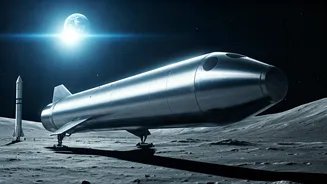
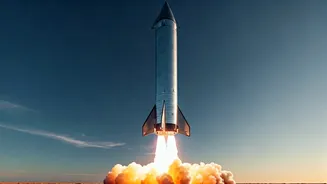
SpaceX's Starship is rapidly transforming from a novel concept into the cornerstone of NASA's lunar aspirations. Initially conceived as the Human Landing System (HLS) responsible for ferrying astronauts from lunar orbit to the surface, its mandate is expanding. Starship is now being considered for additional critical roles, including the potential transport of the Orion spacecraft to the Moon, a task initially earmarked for planned upgrades to the SLS Block 1B configuration. NASA's announcement on February 27 solidified standardized vehicle configurations to enhance mission reliability and predictability. This strategic shift also includes a planned 2027 Low-Earth Orbit (LEO) test rendezvous involving Starship or Blue Origin's lander, preceding the Artemis IV landing targeted for 2028. This accelerated timeline is a direct response to the competitive pressures, particularly from China, underscoring a global race for lunar dominance. The urgency to move faster was explicitly stated, emphasizing the need for credible competition to drive progress. The priority is to maintain the capability of flying landing missions using the same Earth ascent configuration, focusing on Block 1 configurations rather than introducing more complex and potentially riskier modifications.
Boeing's Evolving Role
Boeing, the manufacturer behind the SLS core stages, is witnessing a modification in the scope of its flagship rocket's involvement. The SLS is now primarily tasked with Earth orbit launches, rather than its original intention of propelling the Orion spacecraft into lunar orbit. This revised focus has consequently led to adjustments in the planned upgrades and production ramps for future SLS Block variants. Despite these changes, representatives from Boeing have expressed confidence in their capabilities, highlighting the workforce and supply chain's readiness to meet evolving production demands. The SLS is still recognized as a formidable rocket, even as its deep-space ascent role is diminished. While the Orion capsule may continue to serve as a human return vehicle, limitations in propulsion and the compelling reusability of Starship, contrasted with the substantial cost per mission of the SLS (estimated at $4 billion), are influencing future architectural decisions.
Artemis Milestones Ahead
The upcoming Artemis III mission is set to incorporate crucial checks in Low-Earth Orbit (LEO), including rendezvous and docking procedures, life support system verification, and astronaut extravehicular activity (xEVA) suit testing. These preparations are designed to facilitate a more streamlined approach to lunar exploration, enabling a higher frequency of surface excursions. The successful execution of these LEO checks is seen as a vital step towards enabling a more consistent cadence of lunar missions. As the launch for Artemis II approaches, with post-helium fixes addressed, this new era, heavily reliant on Starship's innovative capabilities, is positioned to enable more rapid returns to the Moon. This signifies a strategic integration of established technologies with forward-thinking vision, laying the groundwork for a sustained human presence on the lunar surface.