






Light and Body Rhythms
Historically, lighting was an afterthought in home design, a final decorative touch. However, contemporary understanding of lighting science reveals its
power to shape how we perceive and interact with our environment. Light directly impacts our physiology, influencing mood and behaviour beyond simple visibility. As modern Indian lifestyles become increasingly indoor-centric, the strategic use of lighting is paramount. Scientific research, particularly in chronobiology, highlights that our bodies are intrinsically linked to light exposure. The circadian system, responsible for regulating sleep-wake cycles, alertness, hormone production, and cognitive functions, relies on fluctuations in light intensity and colour temperature. Optimal morning routines benefit from bright, cool light to enhance focus, while evenings are better served by warmer, dimmer light to signal rest. Neglecting these natural rhythms within indoor spaces can lead to persistent fatigue, disrupted sleep patterns, and heightened stress, a common complaint among urban dwellers even with sufficient sleep duration.
Calming Light, Better Spaces
Often, the challenge isn't a lack of light, but its inappropriate application. Harsh glare, significant differences in brightness across a room, and uniformly lit ceilings can overtax our visual system, leading to mental exhaustion. True comfort isn't always synonymous with brightness; rather, it stems from a balanced interplay of controlled light levels, precisely directed beams, and thoughtfully layered illumination. When these elements are harmoniously integrated, a space transforms into one that is not only visually pleasing but also promotes a sense of effortless calm. While occupants may not pinpoint the technical reasons, they will undoubtedly feel a reduction in visual strain and an overall enhancement of their environment's feel. The impact of light on our emotions is deeper than often acknowledged. For instance, the introduction of blue LED lights on Tokyo's railway platforms was observed to significantly reduce suicide incidents, with a reported drop of approximately 84% across numerous stations. This intervention is attributed to the soothing and mood-regulating properties of blue light wavelengths, demonstrating light's capacity to influence human emotions even in critical moments.
The Rise of Human-Centric
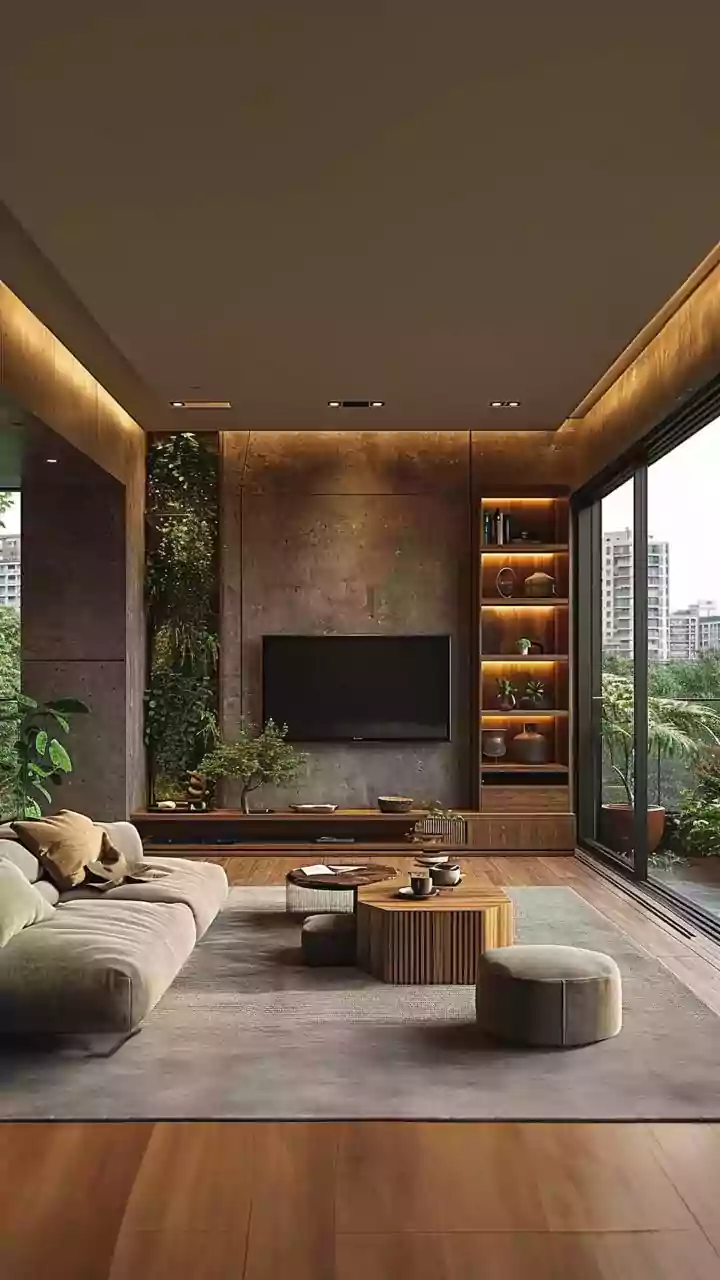
The premium segments of India's residential, hospitality, and commercial sectors are undergoing a significant transformation, with clients actively seeking informed lighting solutions. Architects are now integrating circadian principles from the early stages of design, and developers recognize that superior lighting quality directly enhances perceived luxury and occupant well-being. This year marks a pivotal shift from purely utility-driven lighting to a human-centric approach. Key design strategies driving this evolution include adopting layered lighting schemes over single-source illumination, utilizing indirect and glare-controlled fixtures more extensively, implementing tunable white systems that adapt to the time of day, and incorporating scene-based controls to cater to diverse usage scenarios within a single space. This evolution is not about making spaces darker or more dramatic; it's about creating environments that are physiologically and visually appropriate for human comfort and performance. The industry now has access to highly efficient LEDs, advanced optical technologies, and sophisticated control systems, providing the necessary tools for responsive lighting environments. The critical factor, however, lies in the intelligent application of this technology, requiring technical precision in lux planning, high colour rendering, effective glare management, and accurate fixture placement to ensure optimal comfort and functionality.
Future of Illumination
Light is increasingly being recognized as a fundamental biological necessity, akin to sleep or nutrition. Modern tunable LED systems can dynamically adjust colour temperature and brightness throughout the day, promoting alertness in the morning and aiding melatonin production in the evening. With the integration of the Internet of Things (IoT), lighting systems can intelligently respond to occupancy, ambient daylight, and user behaviour patterns. Full-spectrum lighting, designed to mimic natural sunlight, is being implemented in healthcare and office settings to alleviate conditions like Seasonal Affective Disorder, leading to measurable improvements in mood and cognitive function. The next frontier in the lighting industry involves personalizing these experiences by merging design intelligence, technical expertise, and contextual planning into comprehensive lighting ecosystems that genuinely enrich human lives. India is entering an era where lighting will be assessed not just on its energy efficiency, but on its tangible impact on overall well-being. As awareness regarding sleep quality and mental load continues to grow, lighting is set to become a central consideration in architectural decision-making. The industry must transcend the perception of lighting as a mere commodity or decorative accessory, embracing its role as a critical enabler of healthier, more responsive built environments that significantly enhance how individuals live, work, focus, and recuperate.