






The Lingering Echoes
It's a common misconception that once an event is over, its impact fades away entirely. However, our past experiences, particularly those from formative
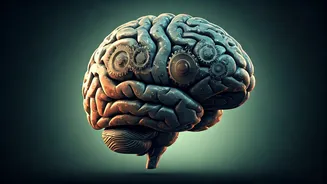
years, often leave deep imprints on our psyche. These imprints act as unseen architects, constructing the frameworks through which we perceive the world and subsequently make decisions. Think of it like a computer program running in the background; you might not be actively aware of it, but it's constantly processing information and influencing outcomes. Past traumas, significant joys, learned behaviors from family, and societal conditioning all contribute to this internal blueprint. These influences aren't always negative; positive past experiences can foster resilience and optimism. The key is recognizing that these echoes are not mere memories but active forces that can either empower or inadvertently limit us, leading us to repeat certain actions or reactions without fully grasping why.
Unconscious Drivers
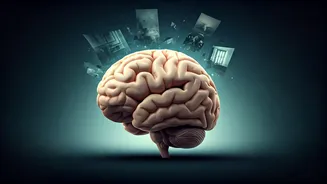
The subconscious mind is a powerful reservoir of our past. It stores vast amounts of information, including emotions, beliefs, and learned responses, often without our conscious awareness. When faced with situations that bear even a slight resemblance to past events, the subconscious can trigger familiar patterns of thought and behavior. This is why you might find yourself reacting intensely to something seemingly minor, or why you gravitate towards certain types of people or situations repeatedly. These reactions are not necessarily a reflection of your current self but rather a conditioned response from your past. Understanding these unconscious drivers is crucial for breaking free from cycles that no longer serve you. It requires introspection and a willingness to acknowledge that many of our 'instinctive' reactions are, in fact, learned responses deeply embedded within our psychological architecture, dictating our choices in ways we rarely question.
Reclaiming Control
The revelation that our past holds significant sway might feel disempowering, but it's actually the first step towards genuine self-mastery. By bringing these hidden influences into conscious awareness, we gain the power to evaluate them. Are the patterns derived from your past beneficial, or are they hindering your growth and happiness? This process of self-awareness is not about erasing the past but about understanding its narrative and choosing how to integrate it into your present. It involves questioning your automatic responses, identifying the root causes of certain behaviors, and consciously making new choices that align with your present goals and values. Through this mindful engagement with your internal landscape, you can begin to rewrite the script, moving from being unconsciously driven by the past to consciously directing your future.