

Global Culinary Acclaim
The esteemed online food guide, TasteAtlas, has unveiled its definitive ranking of the world's top rice puddings, and India has made a remarkable showing.
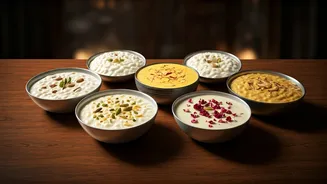
With an impressive six regional rice-based confections making it onto the prestigious list, India's vast culinary landscape and its mastery of this comforting dish are being celebrated on a global stage. This recognition highlights not just the deliciousness of these puddings but also their profound connection to Indian culture, tradition, and everyday life. From elaborate festive treats to humble daily staples, these rice puddings offer a delicious window into the soul of India.
Phirni: A Festive Delight
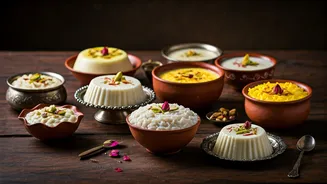
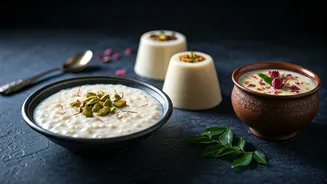
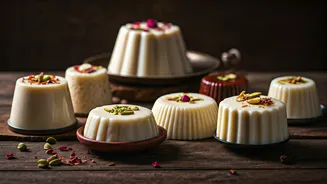
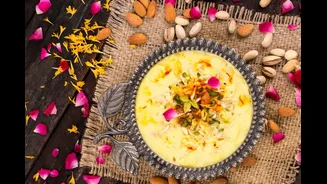
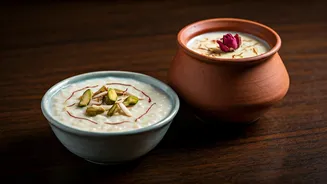
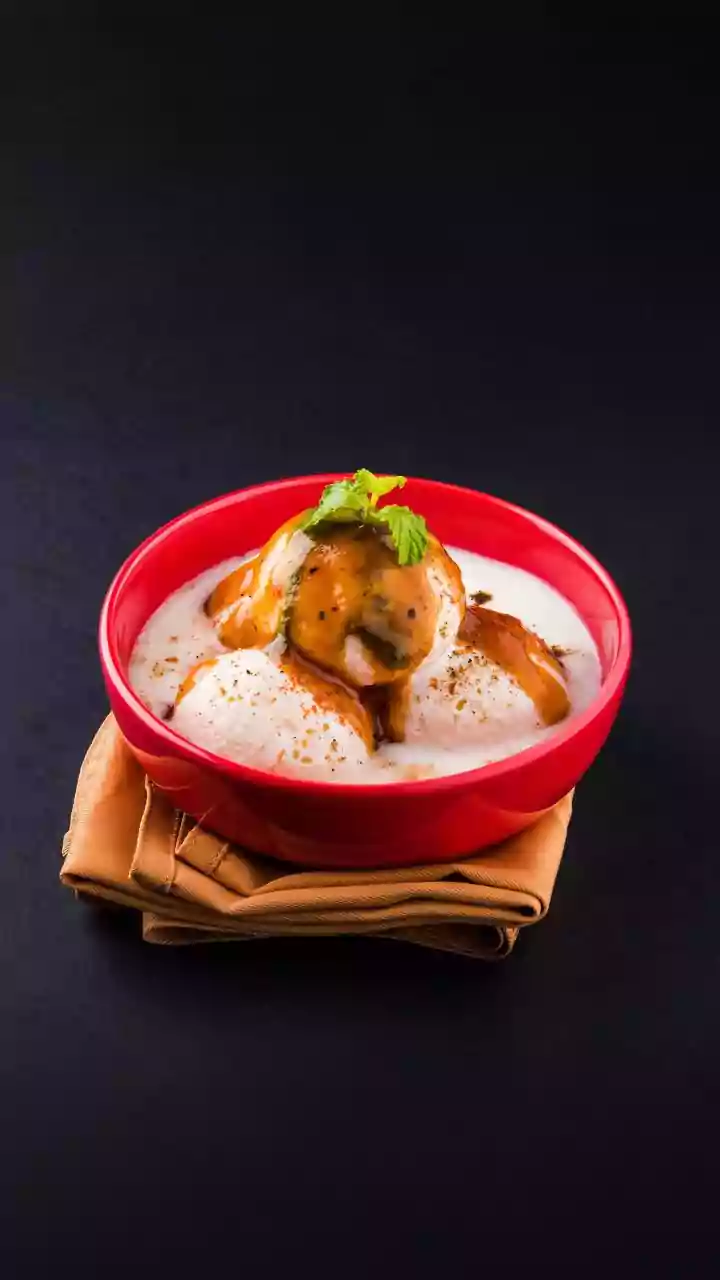
Securing the impressive third position globally, Phirni stands out for its luxurious creaminess and intoxicating fragrance. This beloved dessert is meticulously prepared through a slow simmering process, transforming humble ingredients into a velvety-smooth delight. Often served chilled in traditional earthen bowls, Phirni offers a sensory experience that transcends mere taste. Food historian Sadaf Hussain emphasizes that the magic of Phirni lies not just in its final taste but in the mindful, unhurried preparation itself, where the gradual infusion of aromas and flavors elevates it to a truly special occasion dessert, deeply intertwined with festive celebrations across India.
Kheer: Timeless Tradition
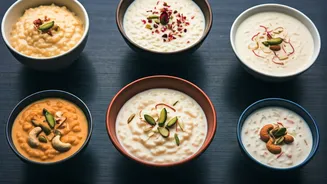
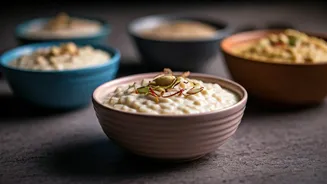
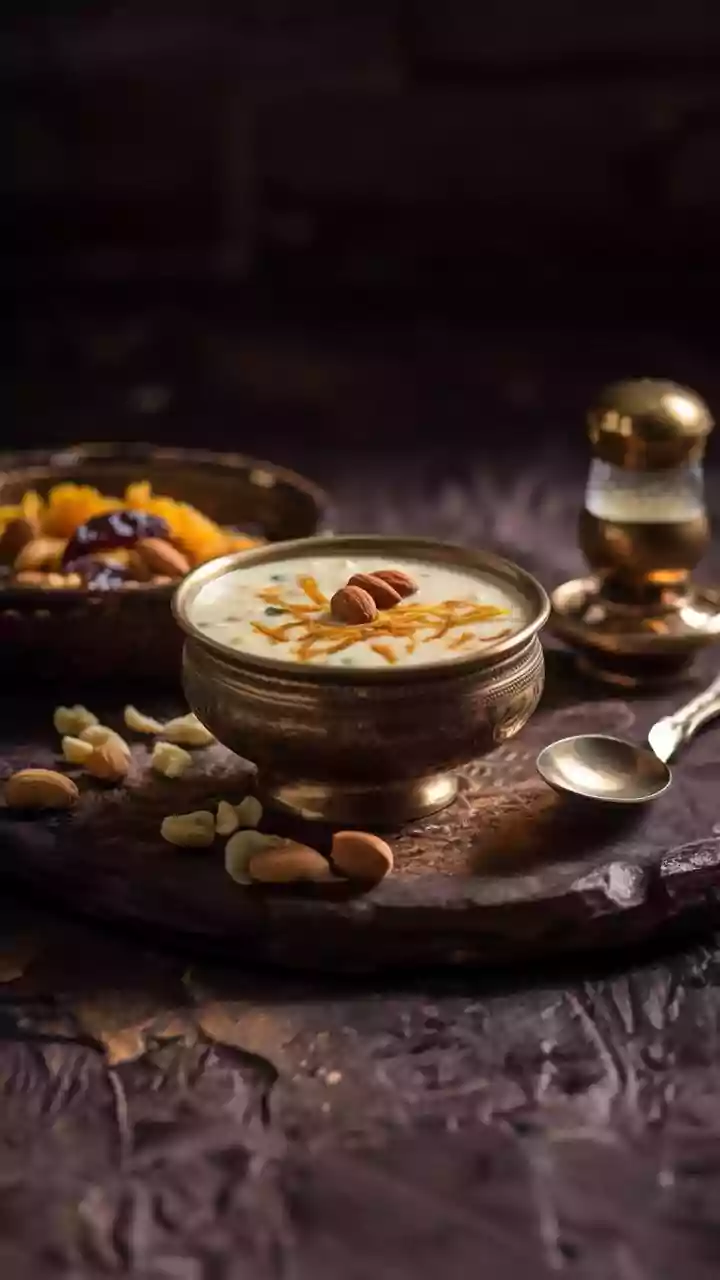
Earning the seventh spot, Kheer represents one of India's most ancient and universally adored desserts. Its history stretches back through centuries, with mentions found in ancient Indian texts, attesting to its enduring appeal. Hussain notes the remarkable continuity of Kheer, observing that its preparation and essence have remained largely unchanged from historical accounts to contemporary kitchens. This stability in its recipe and beloved status underscores Kheer's role as a culinary anchor, a consistent source of comfort and sweetness that has nourished generations and remains a testament to India's rich gastronomic heritage.
Sakkarai Pongal: Harvest Bounty
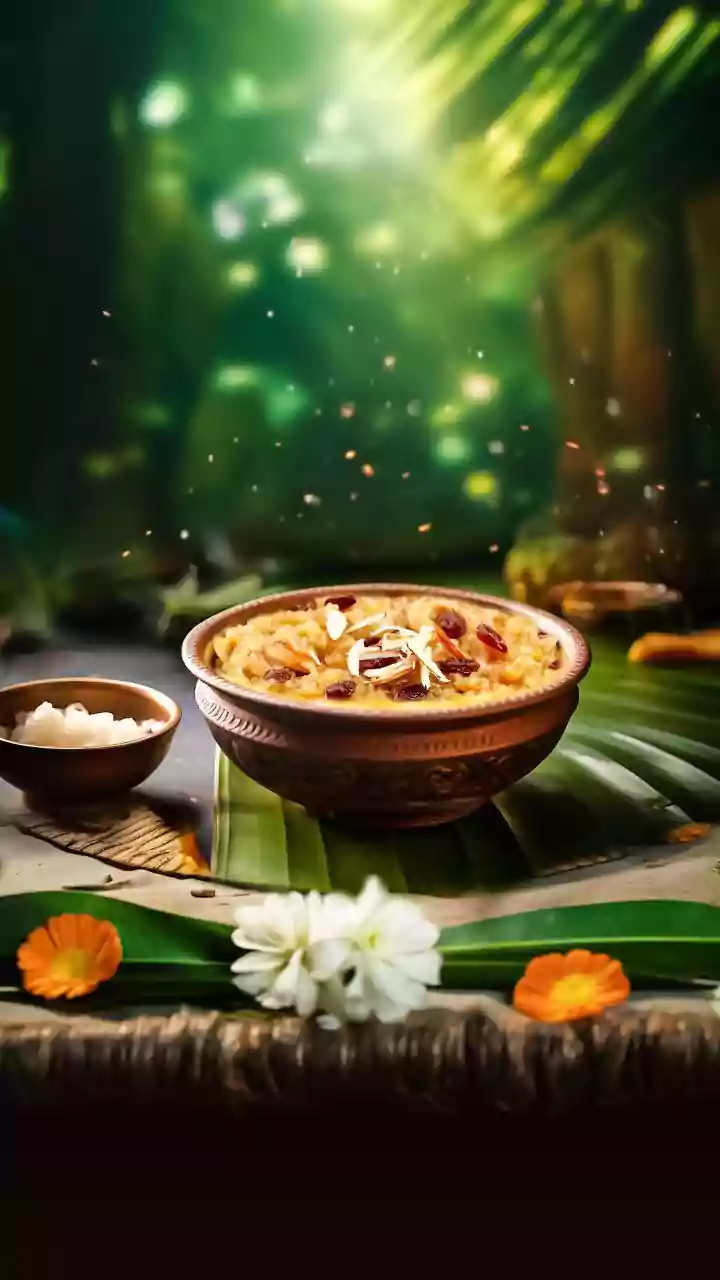
From the southern reaches of India, Sakkarai Pongal claims the fifteenth rank, celebrated as a sweet dish intrinsically linked to the bounty of harvest seasons. This confection is more than just a dessert; it's a culinary expression of agrarian rituals and gratitude. Hussain explains that partaking in Sakkarai Pongal during harvest time is a way for individuals to connect with the broader cycle of the land, acknowledging the labor involved and celebrating the blessings of a good yield. It embodies a deep-seated connection between food, faith, and the agricultural rhythm of life in South India.
Pongal: Comfort Staple
Ranked nineteenth globally, Pongal, while often prepared as a savory dish, earns its place on the rice pudding list due to its comforting, porridge-like consistency and widespread appeal. Its inclusion highlights the diverse interpretations of rice-based dishes in India. Pongal is a cultural staple across South India, cherished for its simplicity and its integral role in daily meals and life. It represents a grounding, everyday comfort food that is deeply woven into the fabric of South Indian culinary identity, showcasing the versatility of rice beyond just sweet preparations.
Doodhpak: Rich Indulgence
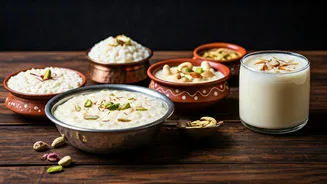
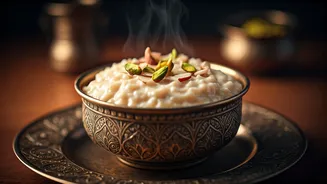
Hailing from Western India and securing the twenty-fourth position, Doodhpak presents a richer, more indulgent variation of the classic rice pudding. Characterized by its opulent texture and infused with the luxurious aroma of saffron, often garnished with nuts, Doodhpak reflects regional culinary preferences for festive feasting and heightened flavors. This dish embodies a spirit of celebration and generosity, offering a decadent experience that is a hallmark of celebratory meals and special occasions in Western India, showcasing a distinct regional flair in its preparation and taste profile.
Ven Pongal: Savory Contrast
Rounding out India's impressive showing at twenty-sixth place is Ven Pongal, a distinctly savory preparation that provides a fascinating counterpoint to the sweeter rice puddings. This dish masterfully balances the texture of rice with the heartiness of lentils, enhanced by the warming embrace of ghee, pepper, and aromatic spices. Hussain points out that such regional variations are deeply rooted in local contexts, shaped by climate, available produce, and lifestyle, underscoring how Ven Pongal’s unique flavor profile is a direct reflection of its geographical and cultural origins in India.
The Essence of Indian Puddings
According to food expert Sadaf Hussain, the enduring appeal and global recognition of Indian rice puddings stem from three key pillars. Firstly, the tradition of slow cooking imbues these dishes with unparalleled depth of flavor, a stark contrast to faster cooking methods. Secondly, their cultural significance is immense, serving not only as desserts but as integral parts of celebrations, religious offerings, and even expressions of mourning, weaving them into the very fabric of Indian life. Lastly, their remarkable consistency across centuries ensures authenticity, preserving heritage in every spoonful. As Hussain aptly puts it, these are 'memories served in a bowl,' embodying devotion, prosperity, and gratitude, especially in temple offerings.
Healthier Twists
Chef and food historian Osama Jalali offers insightful ways to infuse a healthier dimension into these classic Indian rice puddings without sacrificing their quintessential essence. For Phirni, he suggests substituting refined sugar with natural sweeteners like dates or jaggery and opting for low-fat or plant-based milks. Kheer can be made more nutritious by swapping white rice for whole grains like brown rice or millets, and boosting protein with nuts and seeds. Sakkarai Pongal can see its sugar content reduced by 25-30%, complemented by an increased portion of nutrient-rich moong dal. Ven Pongal can be enriched with added vegetables for fiber and enhanced with ginger and pepper for digestive benefits. Doodhpak can utilize toned or nut milks and incorporate fruits like lauki or apple for added volume and nutrients. Finally, for Pongal, replacing a portion of rice with millets or incorporating lentils and exploring fermented variations can offer healthier alternatives. Jalali emphasizes that these adaptations allow these beloved dishes to remain cultural touchstones while aligning with contemporary health consciousness, proving that tradition and well-being can coexist.