






Nutritional Breakdown: Apple
A medium-sized apple, weighing approximately 182 grams, provides about 94 calories. Its carbohydrate content stands at 25.1 grams, with 18.9 grams being
total sugars. Significantly, it offers 4.37 grams of dietary fiber, contributing to digestive health. Protein is present at 0.473 grams, and it supplies 4.6 milligrams of vitamin C, alongside 107 milligrams of potassium. Apples are also recognized for their rich array of phytochemicals, such as quercetin, catechin, phloridzin, and chlorogenic acid, all potent antioxidants. These compounds have been associated with a reduced risk of certain cancers, cardiovascular ailments, asthma, and diabetes. Apples are a low-calorie option that aids digestion and provides valuable antioxidants, potentially lowering the risk of chronic diseases.
Nutritional Breakdown: Banana
Bananas are lauded as a superb source of carbohydrates, dietary fiber, and protein. They contain polyunsaturated fatty acids, potassium, carotenoids, and flavonoids. Furthermore, they are a good source of vitamins C and E, along with various polyphenols like gallocatechin and catechin. These compounds are recognized for their antioxidant properties and potential to protect against cardiovascular issues. The banana peel itself is also nutrient-rich, boasting fiber, protein, healthy fats, potassium, and antioxidants. A ripe banana, at 100 grams, typically contains 89 calories, minimal fat (0.33g), no cholesterol, and low sodium. It has 22.80 grams of carbohydrates, 2.60 grams of dietary fiber, 1.09 grams of protein, and a substantial 358 milligrams of potassium. This makes them an excellent fruit for energy and heart health.
Health Benefits Compared
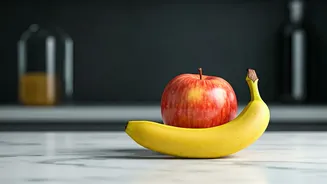
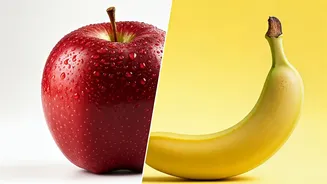
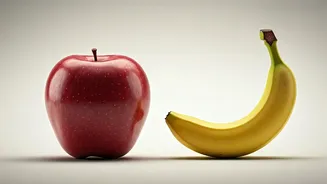
When comparing apples and bananas, both fruits offer distinct advantages for well-being. Apples excel in fiber content and possess strong antioxidant capabilities, making them ideal for promoting a healthy digestive system and potentially warding off long-term health complications. Their phytochemicals are key to these benefits. Bananas, on the other hand, are a powerhouse of potassium, crucial for maintaining healthy blood pressure and optimal heart function, as well as supporting muscle activity. The natural sugars in bananas provide a rapid energy source, perfect for pre-activity fuel, while their vitamin B6 aids brain health and mood regulation through serotonin production. Both fruits are beneficial, but their primary strengths lie in different areas of health.
Daily Consumption Guidance
According to nutritionists, both apples and bananas can be incorporated into a daily diet without issue, provided they are part of a balanced eating pattern. The decision of which to consume more frequently depends on individual health objectives and lifestyle. For those aiming to enhance digestion, manage their weight, or boost their antioxidant intake, apples are a superior daily choice. Conversely, individuals who are highly active or require an immediate energy boost, such as athletes, will find bananas to be an excellent option due to their carbohydrate and potassium content. A medium apple (182g) offers fewer calories and is more hydrating than a banana (100g), which is more energy-dense, making apples a good choice for calorie-conscious individuals.
Smart Ways to Enjoy
Incorporating apples and bananas into your diet can be both delicious and creative. For a delightful banana treat, try 'Banana Peanut Butter Toast' by toasting bread, spreading peanut butter, and topping with fresh banana slices. A classic 'Banana Shake' involves blending bananas with milk, vanilla extract, and a sweetener of choice. For a healthy breakfast, 'Banana Oats Pudding' can be made by soaking oats in curd overnight, then adding sliced bananas, berries, honey, and a sprinkle of roasted seeds and nuts. Apples can be transformed into 'Apple Cinnamon Oatmeal Bake' by mixing chopped apples with oats, cinnamon, milk, and honey, then baking. A refreshing 'Apple and Carrot Salad' is prepared by grating apples and carrots, tossing with lemon juice, a pinch of salt, and yogurt or olive oil. For a naturally sweet dessert, 'Baked Apple Dessert' involves coring apples, stuffing them with nuts and raisins, and a hint of cinnamon before baking until tender.