





Common Swelling Causes
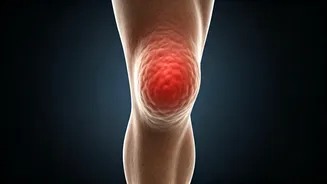
Many people experience leg swelling, often attributing it to everyday factors like standing for extended periods, long travel journeys, or general tiredness.
In numerous instances, this swelling is benign and resolves spontaneously with rest or simple remedies. However, when leg swelling becomes persistent or lacks a clear explanation, it can point towards more significant internal health concerns. Dr. Palleti Siva Karthik Reddy, a consultant physician, clarifies that while factors such as prolonged sitting or standing, extensive travel, high sodium consumption, pregnancy, and certain medications can lead to mild, usually symmetrical swelling that improves with elevation and movement, it's crucial to differentiate this from more serious presentations. Typically, transient swelling is symmetrical, not severe, and disappears relatively quickly.
When to Seek Help
It becomes imperative to consult a medical professional when leg swelling is persistent, progressively worsens, or is accompanied by other concerning symptoms. Dr. Reddy emphasizes that a notable disparity in swelling between the legs, or if the affected limb experiences pain, displays redness, feels warm to the touch, or is associated with shortness of breath or rapid weight gain, these are red flags indicating a potential underlying medical issue. If simple home remedies fail to alleviate the swelling or if it recurs frequently, seeking prompt medical evaluation is strongly recommended to rule out any serious conditions. Ignoring these signs can lead to a delay in diagnosis and treatment, allowing potentially serious conditions to advance and become more difficult to manage, thus increasing the risk of complications.
Underlying Health Conditions
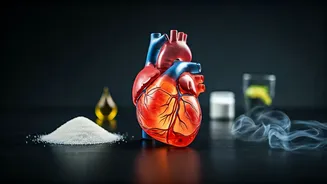
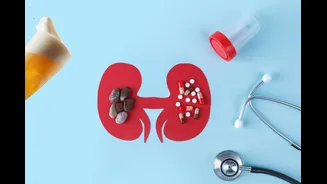
Persistent leg swelling can be an indicator of several serious health problems requiring medical intervention. Dr. Reddy highlights deep vein thrombosis (DVT) as a significant cause, where a blood clot forms within the deep veins of the leg, posing a risk of dislodging and travelling to the lungs. Heart failure is another condition that can result in fluid buildup in the legs, as the heart's impaired pumping ability leads to blood pooling. Furthermore, kidney diseases and liver disorders can contribute to fluid retention throughout the body, manifesting as leg and foot swelling. Chronic venous insufficiency, a condition affecting older adults where leg veins struggle to circulate blood back to the heart effectively, is also a common culprit. Additionally, lymphedema, caused by blockages in the lymphatic system, can result in persistent swelling.
Urgent Warning Signs
Immediate medical attention is crucial if leg swelling appears abruptly, affects only one leg, or is accompanied by severe pain, noticeable redness, or a warm sensation in the affected area. Dr. Reddy advises that symptoms such as chest pain or difficulty breathing accompanying leg swelling can be indicative of critical conditions like deep vein thrombosis or cardiovascular emergencies that require swift intervention. Other alarming signs include a rapid escalation of swelling, swelling coupled with a fever, or when swelling occurs alongside unexplained fatigue, a significant decrease in urine output, or discomfort in the abdomen. These symptoms collectively may point towards serious issues affecting the kidneys, liver, or heart, necessitating urgent diagnostic assessment and treatment.
Diagnostic Approach
When faced with concerns about leg swelling, medical professionals typically initiate the diagnostic process with a comprehensive review of the patient's medical history and a thorough physical examination. Based on the suspected cause, further investigations might be ordered. These commonly include blood tests to evaluate the function of the kidneys, liver, and heart, as well as ultrasound scans to examine the leg veins and definitively rule out the presence of blood clots. Early and accurate identification of the root cause of the swelling is paramount, as it enables physicians to develop a targeted treatment plan and implement measures to prevent potential complications from arising.