







Mastering Home BP Checks
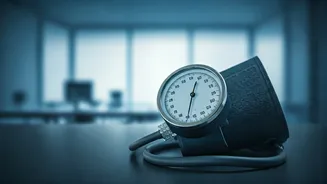
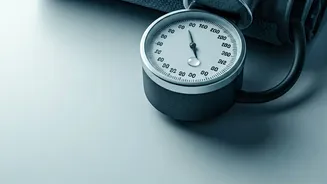
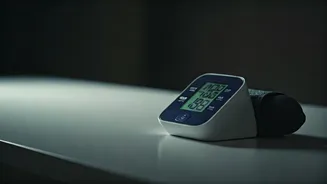
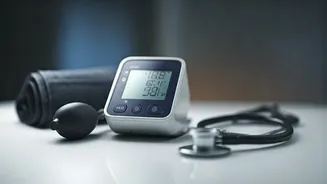
Many individuals face inaccuracies with home blood pressure monitors due to common oversight. For reliable readings, it's vital to use the correct cuff
size and allow adequate time post-exercise, caffeine, or smoking before taking a measurement. Proper posture is also paramount; ensure you have back support and avoid crossing your legs. A critical step often missed is resting for at least five minutes before initiating the reading and refraining from talking during the process. To achieve precision, measurements should be conducted in a tranquil setting, at consistent times daily, with your arm positioned at heart level. Adhering to these guidelines transforms your home monitor into a trustworthy health tool, preventing misleading data that could impact your health decisions.
Consistent Tracking Strategies
Achieving a clear picture of your blood pressure requires diligent tracking. Experts advise taking readings at the same time each day, especially if your doctor recommends twice-daily checks (morning and evening). Within a single monitoring session, it's beneficial to take two readings and then calculate the average. Maintaining a log, whether digital or on paper, is essential. This log should meticulously record the date, time, and any relevant contextual information such as stress levels, medication intake, or exercise. Presenting this detailed log to your physician allows for a more informed interpretation of your blood pressure trends over extended periods, which is far more valuable than relying on isolated results. This consistent approach provides a robust foundation for managing your cardiovascular health effectively.
Ideal Screening Frequencies
For healthy adults aged 20-30 with no pre-existing risk factors, a blood pressure screening should be performed at least every six to twelve months as part of routine medical check-ups. However, individuals with identified risk factors, such as a family history of hypertension, obesity, diabetes, or a sedentary lifestyle, need more frequent monitoring. For these individuals, checking blood pressure ideally occurs every three to six months. This proactive approach to regular blood pressure monitoring is fundamental for the early identification of hypertension and crucially helps in preventing potential complications associated with elevated blood pressure, safeguarding overall well-being.
When to Seek Advice
It is imperative to consult a medical professional if your blood pressure readings consistently exceed 140 mmHg systolic and 90 mmHg diastolic. Prompt medical attention is also necessary if you experience any concerning symptoms like persistent headaches, chest pain, shortness of breath, or visual disturbances. Seeking a physician's guidance swiftly is vital because they can initiate an appropriate treatment plan, which may involve lifestyle modifications or prescription medication. Early intervention can significantly help in preventing severe health issues such as heart disease, stroke, or kidney failure, underscoring the importance of timely medical consultation.
The Silent Killer's Nature
High blood pressure, often termed the 'silent killer,' is insidious because it typically presents no obvious symptoms until it reaches a critical stage. Most individuals with elevated blood pressure feel entirely normal and may not develop any noticeable signs, like headaches or dizziness, until their condition becomes severe or complications arise. The absence of early warning signals means many are unaware of their high blood pressure until it's detected during routine screenings or while addressing other health concerns. Understanding this silent nature emphasizes the paramount importance of regular blood pressure monitoring, even when you feel perfectly healthy, to detect and manage this potentially dangerous condition proactively.