





The Silent Salt Strain
Salt is ubiquitous in our daily meals, often hidden in pickles, sauces, savory snacks, and restaurant fare. Consuming too much sodium elevates blood pressure,
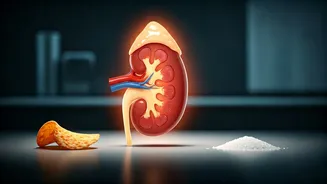
a primary driver of kidney damage worldwide. Over years of high sodium intake, the delicate blood vessels within the kidneys can weaken. While adults are advised to limit salt to under 5 grams daily, many exceed this significantly, often unknowingly through processed items like store-bought soups, cereals, protein bars, and even packaged bread, which can contain surprisingly high sodium levels. The true danger often lies not in the visible salt shaker but in the hidden salt within packaged goods, such as instant noodles and chips, which over time place a considerable burden on kidney function due to high sodium and preservative content.
Hidden Dangers in Packages
Packaged foods present a significant hidden threat to kidney health, not just from salt but also from an array of preservatives, phosphates, flavor enhancers, and excessive sodium. These ingredients collectively increase blood pressure and force the kidneys into overdrive. Research consistently highlights the link between high sodium consumption and kidney stress, coupled with hypertension. The insidious nature of these foods lies in their invisible sodium content; a single serving of chips or a frozen meal can account for nearly half the recommended daily intake. This constant overload disrupts the kidneys' vital filtering process, leading to long-term damage that may not be apparent until significant harm has occurred.
Rethinking Protein Intake
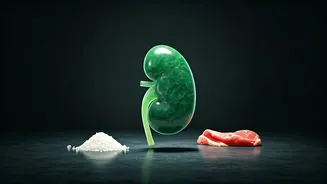
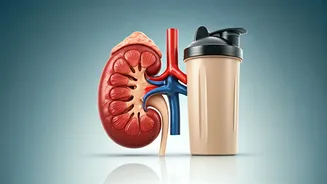
While protein is vital for bodily functions like muscle repair and immunity, the current wellness trend of extreme protein consumption can be detrimental. An overemphasis on high-protein diets, often promoted as universally beneficial, can place undue stress on the kidneys. Experts caution that excessive intake of protein, particularly from red and processed meats like sausages and bacon, combined with saturated fats, can be taxing. As kidneys process nitrogen waste products from protein breakdown, a highly protein-rich diet compels them to work harder. For individuals with pre-existing conditions like diabetes, high blood pressure, or kidney disease, this continuous extra burden can be risky, underscoring the importance of balanced, rather than extreme, protein consumption.
The Sweet Threat of Sodas
Sugary beverages, including sodas and sweetened drinks, contribute significantly to health issues that impact kidney function. Regular consumption can lead to obesity and diabetes, major precursors to kidney disease. Dark-colored sodas, in particular, may contain added phosphorus, which can be harmful to kidneys over time. Studies have indicated a connection between sugar-sweetened beverages and an elevated risk of kidney damage, especially for those susceptible to metabolic disorders. The growing habit of replacing water with these drinks means kidneys are constantly processing excessive sugar, a burden they were not designed to handle, leading to potential long-term health complications.
Fast Food's Toll
Fast food and deep-fried meals pose a significant threat to kidney health due to their high fat, salt, and calorie content. These meals, often nutritionally deficient, contribute to obesity, diabetes, and hypertension – the trifecta of major kidney disease drivers. The combination of high sodium, trans fats, refined carbohydrates, and sugar in these foods places immense strain on the kidneys. While occasional indulgence might be manageable, regular reliance on fast food can lead to water retention and increased kidney stress. Over time, even resilient kidneys can become exhausted from processing such consistently unhealthy inputs.
Oxalates and Kidney Stones
While many foods are touted as 'superfoods,' not all are suitable for everyone, especially concerning kidney health. Foods rich in oxalates, such as spinach, beetroot, chocolate, and nuts, can contribute to the formation of kidney stones in susceptible individuals. Although oxalates are natural compounds, excessive intake can be problematic for those prone to calcium oxalate stones. This highlights the importance of personalized nutrition over blindly following viral diet trends. What might be a healthy choice for one person, like a daily spinach smoothie, could be detrimental for someone with a history of kidney stones, emphasizing the need for tailored dietary advice.
Processed Meats' Impact
Processed meats like bacon, sausages, salami, and deli meats are convenient but pack a punch of kidney stressors. They often combine high sodium, preservatives, saturated fats, and chemical additives, all of which strain kidney function. Many also contain phosphate additives, which weakened kidneys struggle to filter efficiently. The growing consumption of processed meats, even within perceived 'healthy' gym meals or high-protein sandwiches, masks their detrimental impact. While marketed for their protein content, the high sodium and additives remain a significant concern for kidney health, contributing to increased blood pressure and long-term damage.